
Here’s What You’ll Learn in This Article
Understand why ADAS calibration after windshield replacement is critical for keeping your vehicle’s safety systems accurate and reliable.
Learn how skipping calibration can silently affect features like lane assist and automatic braking, and what steps to take to protect yourself after glass replacement.
Introduction
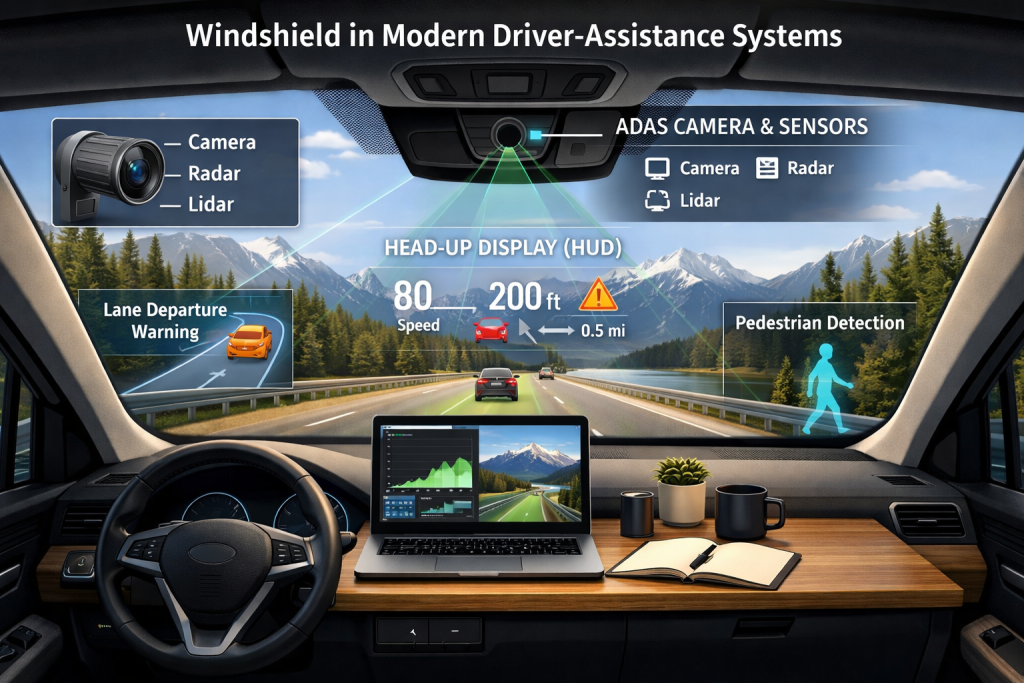
Your car is probably way smarter than you think. It has a tiny camera sitting behind your rearview mirror that you barely notice. That camera does a ton of work every time you drive. It watches the road for you. Keeps track of lane lines. Spots cars getting too close. Reads speed limit signs. Pretty wild when you actually stop and think about it.
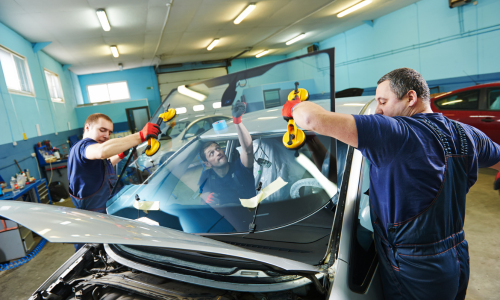
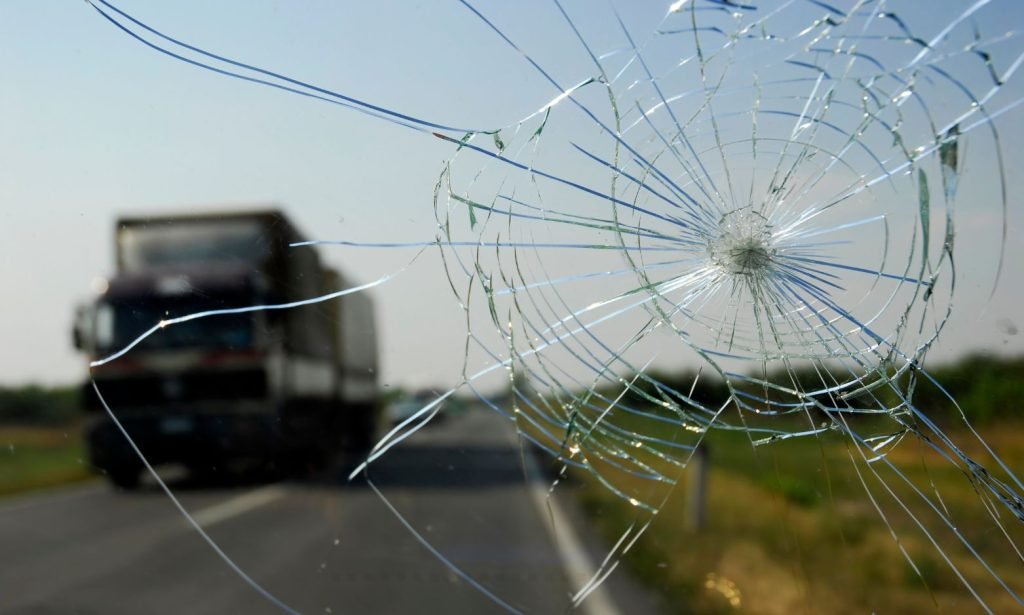
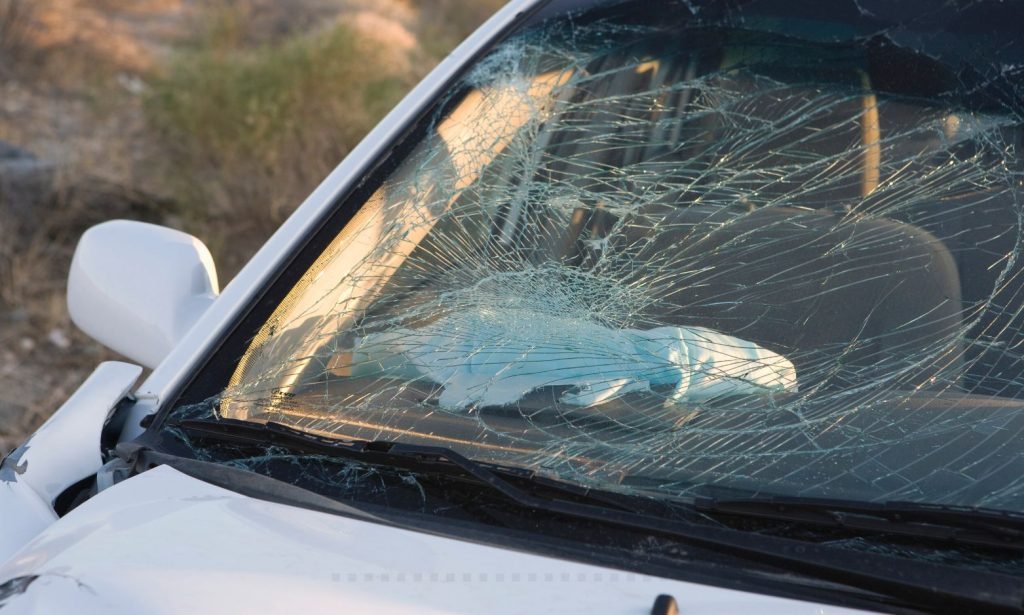
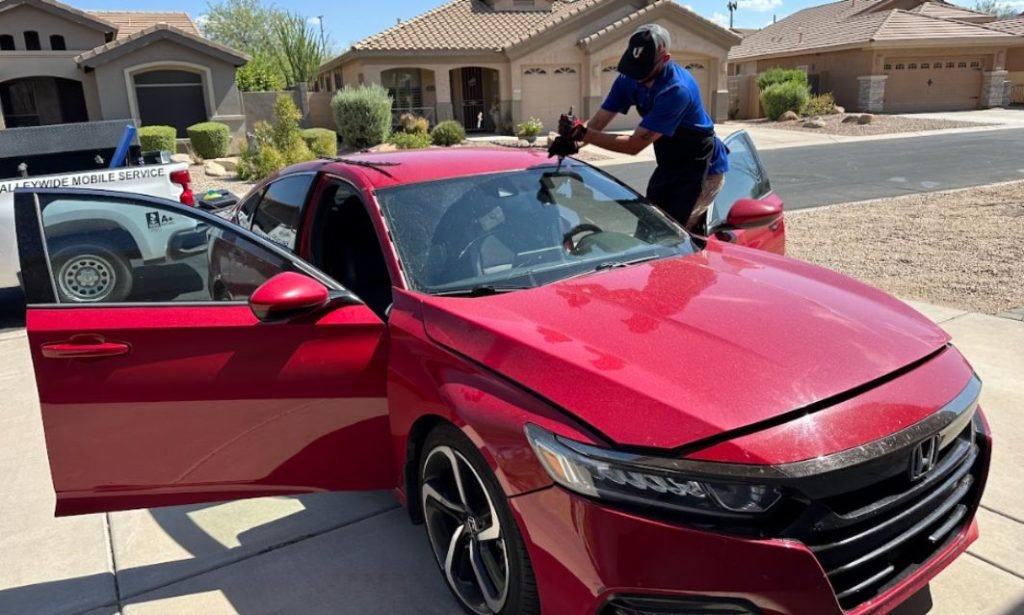
Most people have no idea this camera even exists until something cracks their windshield and they need new glass. Someone shows up, pops out the old windshield, sticks in the new one, and heads out. Looks good. Seems fine. You pay the bill and go about your day.
But something just went wrong that you cannot see. That camera moved when the windshield came out and went back in. Maybe just a hair. But that tiny shift just broke every safety feature that depends on that camera. The weird part is everything still looks totally normal. The systems turn on like usual. No warnings pop up on your dash. You have no clue anything is off.
This is the part where ADAS calibration matters. A lot of glass shops skip this step completely. Some mention it but act like you can skip it to save a few bucks. Both approaches are sketchy and honestly kind of dangerous.
At Premiere Auto Glass, the team treats ADAS calibration windshield replacement like breathing. You just do it. No debate. No skipping it. Too many people drive around with safety stuff that does not actually work because some shop cut this corner. This guide explains what ADAS calibration actually is, why it matters so much, and what happens when people skip it.
Let’s talk about what ADAS even means
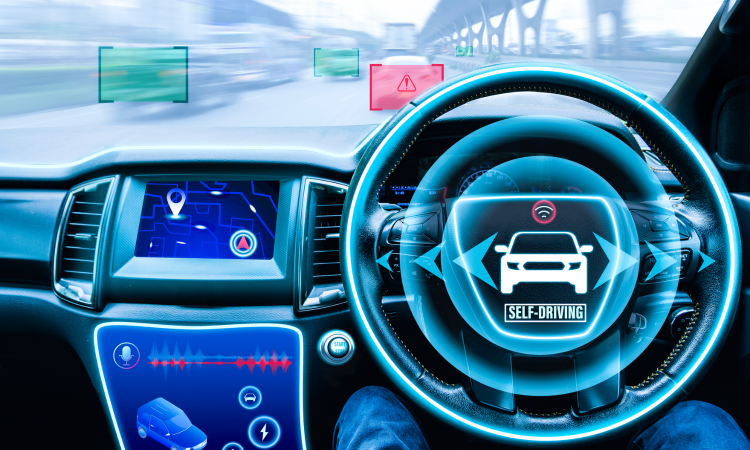
ADAS sounds fancy but it just means Advanced Driver Assistance Systems. All the tech in your car that helps you avoid wrecks and stay safe.
Cars today come loaded with this stuff. Some features are super obvious. Others work quietly in the background. Here are the ones you probably use without thinking about them:
- Lane departure warning beeps at you when you drift toward the lines without turning on your signal.
- Lane keeping assist actually nudges your steering wheel to guide you back into your lane when you start wandering.
- Forward collision warning screams at you when you get too close to the car ahead.
- Automatic emergency braking hits the brakes for you when a crash is about to happen and you are not reacting fast enough.
- Adaptive cruise control keeps a safe gap between you and the car in front without you touching anything.
- Traffic sign recognition reads speed limit signs and shows them on your dash so you always know the limit.
Fancier cars have even more tricks. They spot pedestrians about to walk into traffic. And they warn you when cars hang out in your blind spots. They beep when traffic comes at you from the side while you back out of parking spots.
That camera stuck to your windshield runs most of these jobs. It never stops watching while you drive. Tracks lane lines. Follows other cars. Spots stuff in the road. Reads signs. All of it happens constantly without you noticing.
“The National Highway Traffic Safety Administration says automatic emergency braking cuts rear-end crashes in half when the system works right. That is a huge deal.”
But here is the thing nobody tells you. These systems only work when that camera points at exactly the right angle. Even the tiniest shift messes everything up.
Here’s why new glass moves that camera
People think the camera stays in the exact same spot when new glass goes in. That basically never happens.
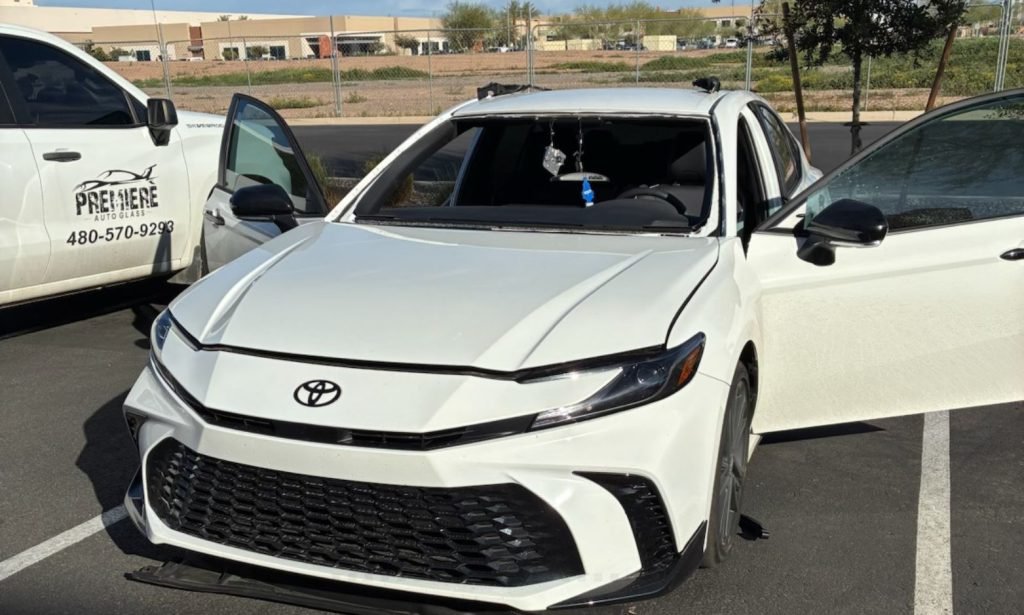
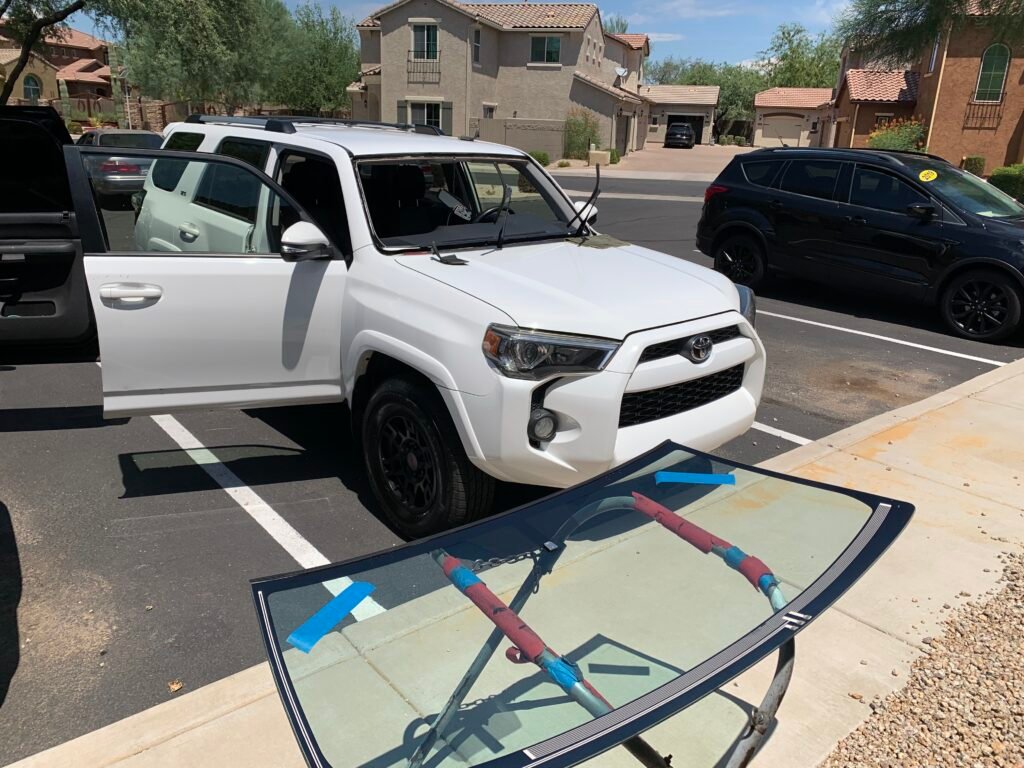
The camera sticks right to the windshield glass in almost every car. When the busted windshield comes out, the camera comes with it or gets popped off temporarily. Fresh windshield goes in. Camera gets stuck back on.
No tech on earth can eyeball that camera back to the exact position it was before. The precision you need is crazy. Like fractions of millimeters and fractions of degrees. Your eyes cannot see differences that small. Your hands cannot feel them. But that camera absolutely sees them.
Picture it like this. That camera looks through your windshield at the road. If the angle changes even a tiny bit, the camera now sees everything from a different spot. Lane lines look like they shifted. Other cars seem closer or farther than they really are. Road signs appear at weird angles.
The computer running your safety stuff has no clue the camera moved. It keeps making choices based on what the camera shows it. But now the camera is showing wrong information. So every decision the computer makes is based on bad data.
Heat and cold make this worse too. Glass gets bigger when it heats up and smaller when it cools down. The glue holding your windshield in place acts different at different temps. The camera might sit in one spot when the tech sets it, then shift a bit as the glue hardens and the glass adjusts to the weather.
Premiere Auto Glass knows that slapping in new glass is only half the job. ADAS calibration windshield replacement has to happen after every install on cars with these cameras. Otherwise you drive off with safety features that look fine but actually do not work right.
What actually goes down during ADAS calibration
ADAS calibration is not made up nonsense. Car companies give exact instructions for how to reset every system after windshield work.
Two main types exist. Static and dynamic. Different cars need different types. Some need both.
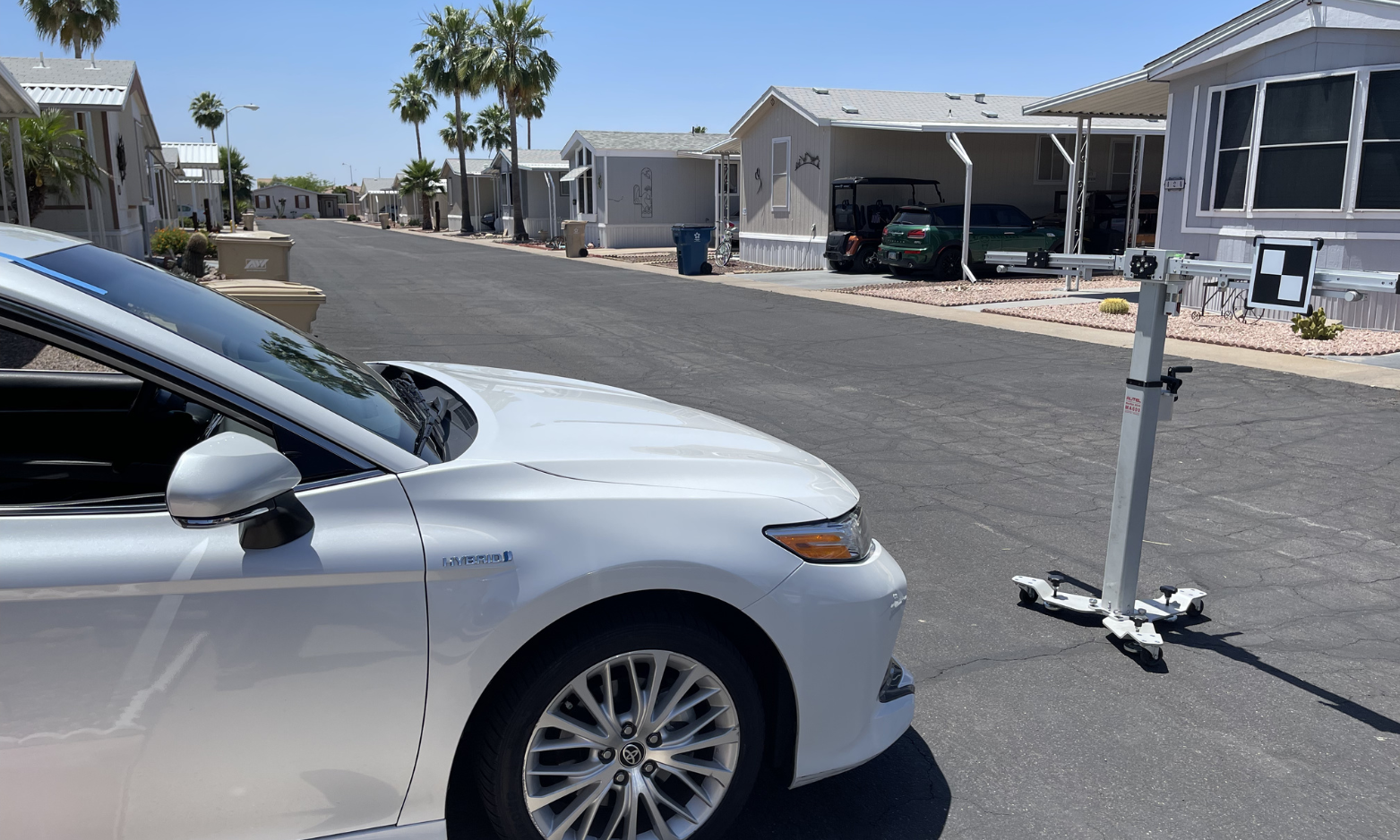
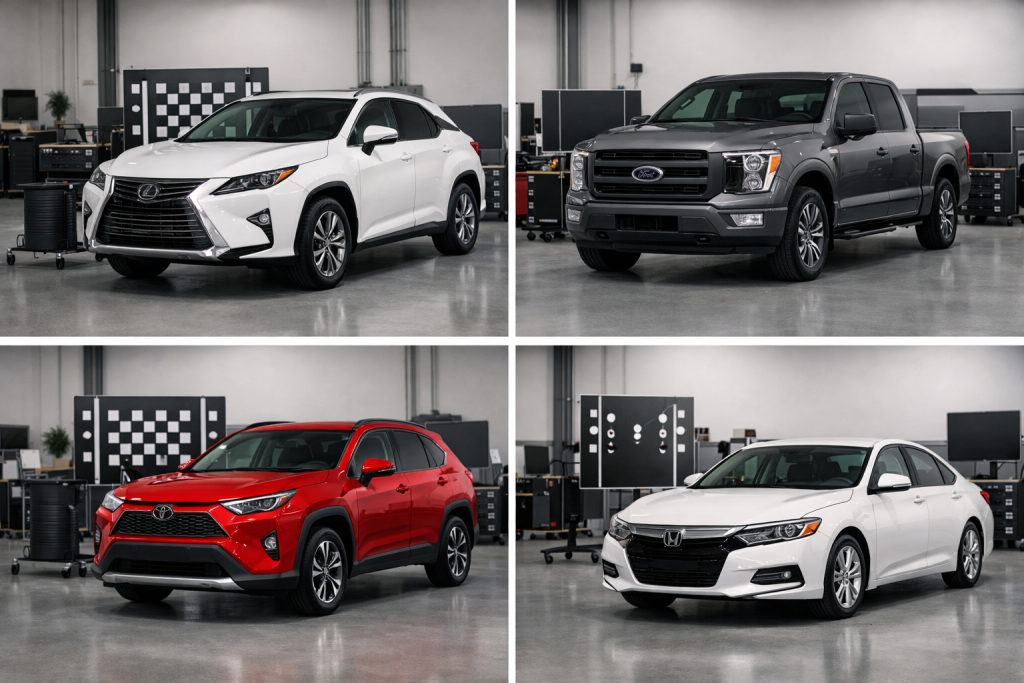
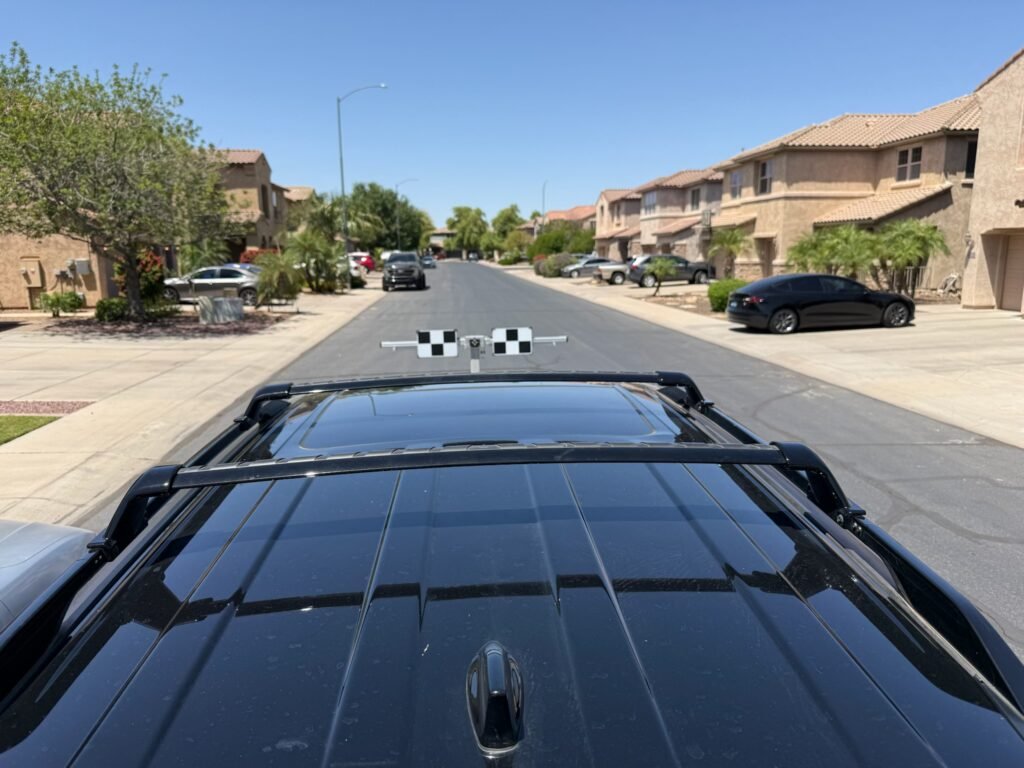
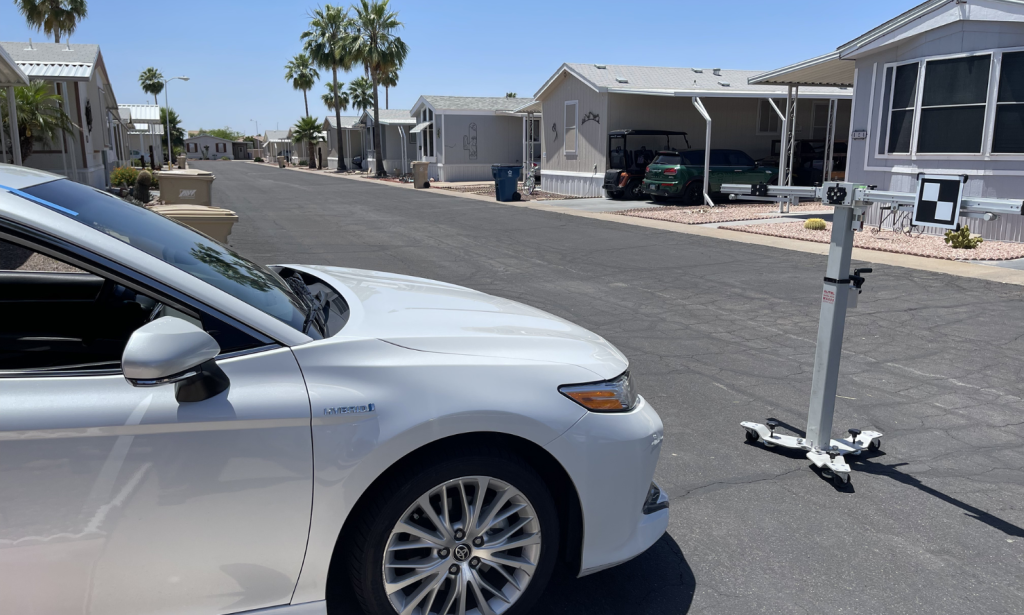
- Static calibration happens inside a shop. The tech parks your car on a perfectly flat surface. They check your tire pressure and pump them up to exact factory specs because even tire pressure changes the camera angle. They set up special targets in front of your car at super precise distances and heights. These targets have specific patterns that the camera uses to figure out where it is.
- The tech plugs diagnostic gear into your car’s computer. This gear talks directly to the ADAS brain. The calibration program runs through a bunch of steps. The camera looks at those targets. The system measures exactly how the camera sees them. It compares that to what the car maker says the camera should see. Then it tweaks the camera settings until everything lines up perfect with factory specs.
- Static calibration takes one to two hours usually. You cannot rush it. Every measurement has to nail exact numbers or the whole thing fails.
- Dynamic calibration happens out driving on real roads. The tech drives your car at specific speeds on roads with clear lane lines you can actually see. The diagnostic stuff stays hooked up the whole time. The system watches what the camera sees while the car moves. It checks how the camera follows lane lines. It measures how good the camera is at judging distance to other cars. It sees how well the camera reads road signs.
The calibration software uses all this real-world info to dial in the camera settings. The whole thing needs maybe 20 to 30 minutes of actual driving, plus time before and after for setup and checks.
Some cars only need static. Some only need dynamic. Lots of newer cars need both to get all the systems working right again.
The exact steps change based on what you drive. A 2020 Honda Civic needs different stuff than a 2023 Ford F-150. Even two cars from the same company might need totally different calibration steps.
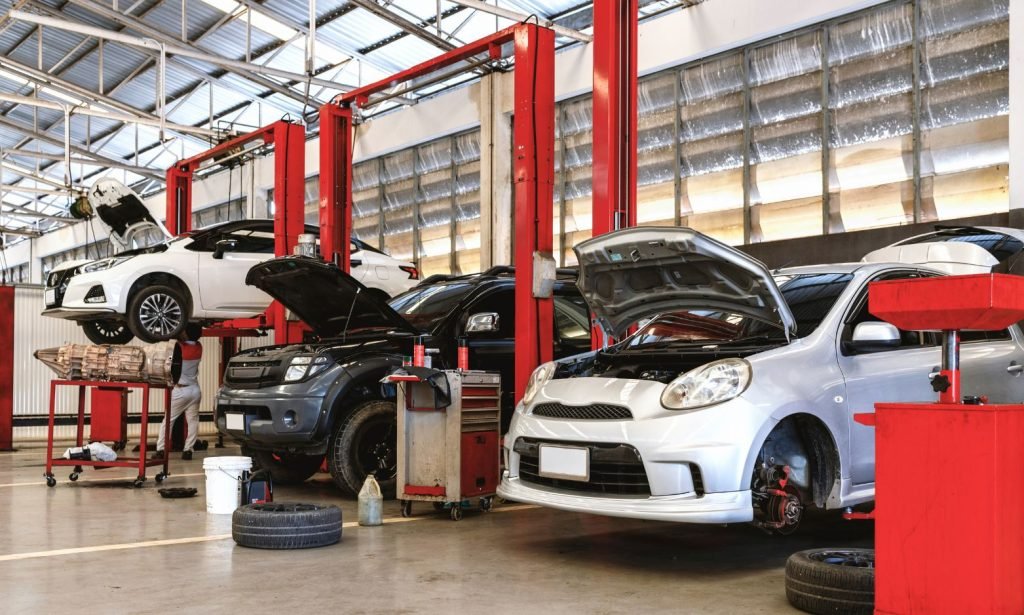
Places like Premiere Auto Glass drop serious cash on good calibration gear and keep training their techs constantly. The crew follows exact steps from car makers and rules from groups like the Auto Glass Safety Council. They keep databases updated with procedures for hundreds of different car setups.
Generic calibration does not cut it. Every car needs its own specific steps followed exactly. Cutting corners or guessing leaves you with systems that still do not work even after so-called calibration.
What breaks when shops skip this
Some glass companies never bring up ADAS calibration at all. They swap your windshield, take your money, and bounce. You have zero clue anything else should have happened.
Other shops mention it but make it sound optional. Like you can skip it to save cash. That is straight up dishonest and creates real danger.
Here is what really happens when ADAS calibration windshield replacement gets skipped:
- Your lane departure stuff goes haywire. The camera reads lane position from the wrong angle now. It thinks you are drifting when you are actually perfectly centered. Or it says nothing when you actually do drift because it cannot see the lines right anymore. Either way, you stop trusting it. You start ignoring the warnings. Then one day you really need the alert and you miss it because you trained yourself to tune it out.
- Automatic braking turns into a hazard instead of help. The system might slam the brakes when nothing is even there because the camera thinks something is way closer than it is. This causes wrecks, especially on highways where sudden braking starts chain reactions. Even scarier, the system might not brake at all during a real emergency because the camera thinks you have more room than you do. Both situations are awful.
- Adaptive cruise becomes completely useless. The system cannot keep the right distance when it gets fed bad camera info. Your car either rides the bumper of the car ahead way too close, or it leaves giant gaps that everyone keeps cutting into. The feature gets so annoying you just turn it off and never use it.
- Traffic sign reading feeds you garbage information. The camera cannot read signs right from a shifted angle. You see speed limits that are totally wrong. You see warnings for stuff that is not happening. You see nothing when important signs are right there. You learn to ignore it completely.
The Insurance Institute for Highway Safety tested this and found that messed up ADAS cameras failed to trigger automatic braking more than a third of the time in situations where it should have kicked in.
All these systems still light up on your dash like they are working. No warning messages show up most of the time. Everything looks totally normal. But looking normal and actually being safe are completely different things.
You count on these features to protect you. When they fail because someone skipped calibration, bad stuff can happen.
Why shops avoid doing it
Real talk, it comes down to money and time. ADAS calibration adds both to every windshield job.
Good calibration equipment costs a fortune. A complete setup runs anywhere from 15 grand to 40 grand depending on what it can do. Small shops cannot swing that kind of money. Bigger shops that could afford it sometimes just choose not to because it eats into their profits.
Training techs on the right calibration steps takes time and never stops. New cars drop constantly with different systems that need different approaches. Keeping techs up to date costs money.
Every calibration tacks on at least an hour to the job, sometimes two or three for complicated cars that need both types. More time means fewer jobs per day. Fewer jobs means less money coming in.
Cheap shops compete almost totally on price. They advertise the absolute lowest windshield replacement you can find. To hit those crazy low prices, they cut corners. Skipping calibration is an easy corner to cut because most people do not know to ask about it.
These shops bet you will not notice the problem. And honestly, most people do not notice, at least not right away. The safety stuff still turns on. No dash warnings pop up immediately. Everything feels fine.
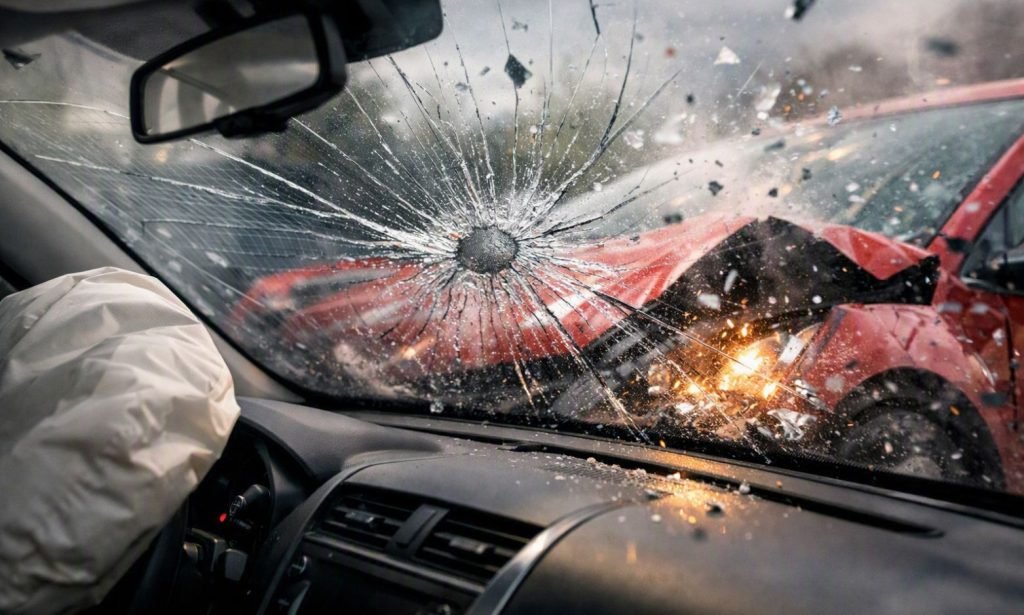
Until something goes wrong. But the automatic braking does not kick in when it should. And the lane keeping steers you the wrong way at a bad moment. Until a wreck happens that working ADAS would have stopped.
AAA found out that less than a quarter of drivers even know windshield replacement needs ADAS recalibration. That huge knowledge gap lets budget shops get away with skipping it.
Some shops honestly do not know it is required. Smaller places that have not kept up with new tech might not realize modern windshields need this work. Not trying to screw you, just clueless. But the result is the same. You drive a car with broken safety systems.
How to protect yourself
Do not assume any shop includes ADAS calibration automatically. Ask about it straight up before you book anything.
- Ask if ADAS calibration is included in the price they quoted. Get a clear yes or no. If they say they do not do it, find a different shop right now. If they say it costs extra, ask exactly how much and what they actually do during calibration. Make them write down all the costs clearly.
- Make sure they actually own calibration equipment. Ask what specific equipment they use. Look for shops that mention gear from companies like Opus IVS, Autel, or Hunter Engineering. These are real calibration systems that actual pros use.
- Confirm they follow the exact steps for your specific car. Every car maker publishes precise calibration instructions. The shop should follow those steps exactly, not wing it with generic shortcuts. Premiere Auto Glass keeps current databases and follows manufacturer specs exactly for every car they work on.
- Ask if your car needs static, dynamic, or both. The shop should know this based on your make, model, and year. If they cannot answer, they probably do not have the knowledge or gear to do it right.
- Get paperwork when they finish. Good shops give you calibration reports or certificates showing the work met manufacturer standards. Keep this paper. It protects you if insurance asks questions later or when you sell your car.
- Never pick a shop just because they advertised the lowest price. The cheapest windshield replacement gets expensive real fast when it leaves you with busted safety systems and potential crash liability.
Bottom line for you
If your car has a camera on the windshield, ADAS calibration after replacement is required. Not optional. Not something you can skip. Required.
If you just got windshield work done and calibration never happened, get it done now. Every day you drive with messed up systems puts you and everyone else at risk.
If you need windshield work soon, pick a shop that takes ADAS calibration windshield replacement seriously. Pick a shop with good equipment, trained people, and commitment to doing complete work.
Your car’s safety systems only work as well as their calibration. Skipping this turns high-tech safety features into dangerous guesswork. Nobody should accept that.
Premiere Auto Glass includes full ADAS calibration with every windshield replacement on cars that have it. The gear, training, and time cost a lot, but keeping customers safe is not negotiable. Get in touch with Premiere Auto Glass today to book windshield work done right from beginning to end, including the calibration that actually keeps you safe.
Questions people ask all the time
How much does ADAS calibration cost? ADAS calibration usually adds somewhere between 150 and 350 bucks to windshield replacement, depending on what your specific car needs and whether it requires static, dynamic, or both types. This covers the specialized gear, the tech’s training and time, and following exact manufacturer steps. Lots of full coverage insurance policies pay for calibration as part of glass replacement claims. Premiere Auto Glass checks your coverage and gives you complete pricing before touching anything.
How do I know if my car needs this? If your car has any of these features, it needs ADAS calibration after windshield work: lane departure warning or lane keeping, forward collision warning, automatic or emergency braking, adaptive cruise, traffic sign recognition, or pedestrian detection. Look for a camera stuck to your windshield behind the rearview mirror. If you see one, your car needs calibration after glass work. Most cars built after 2017 have at least basic ADAS stuff.
Can I just drive around before getting calibration done? Your car will drive, but the safety systems will not work right until you get calibration. Automatic braking might not kick in during emergencies. Lane warnings might go off at random or not at all. Adaptive cruise might not keep safe distances. You lose all the safety protection these systems give you. Get calibration done right after the glass install and avoid highways or heavy traffic until it happens.
What if I got my windshield replaced months ago without calibration? Get it done as soon as you can. Messed up ADAS creates danger no matter how long you have been driving with it. Call a shop like Premiere Auto Glass that does calibration by itself without needing windshield work. The systems will work right once they get calibrated properly, even if your replacement happened way back. Better late than never when safety is on the line.
Do all glass shops do ADAS calibration? Nope. Tons of shops, especially smaller ones or budget places, do not have calibration gear or trained people. Some shops say they do it but use crappy procedures or generic steps instead of manufacturer-specific calibration. Always check that shops have legit calibration equipment, follow manufacturer procedures, and give you paperwork after. Pick established shops with good reputations instead of random budget operations you never heard of.