
Here’s What You’ll Learn in This Article
Understand the real differences between mobile glass repair and in-shop service so you can choose what fits your schedule, vehicle, and situation.
Learn when convenience matters most and when a controlled shop environment makes more sense for quality, complex work, and weather conditions.
Introduction
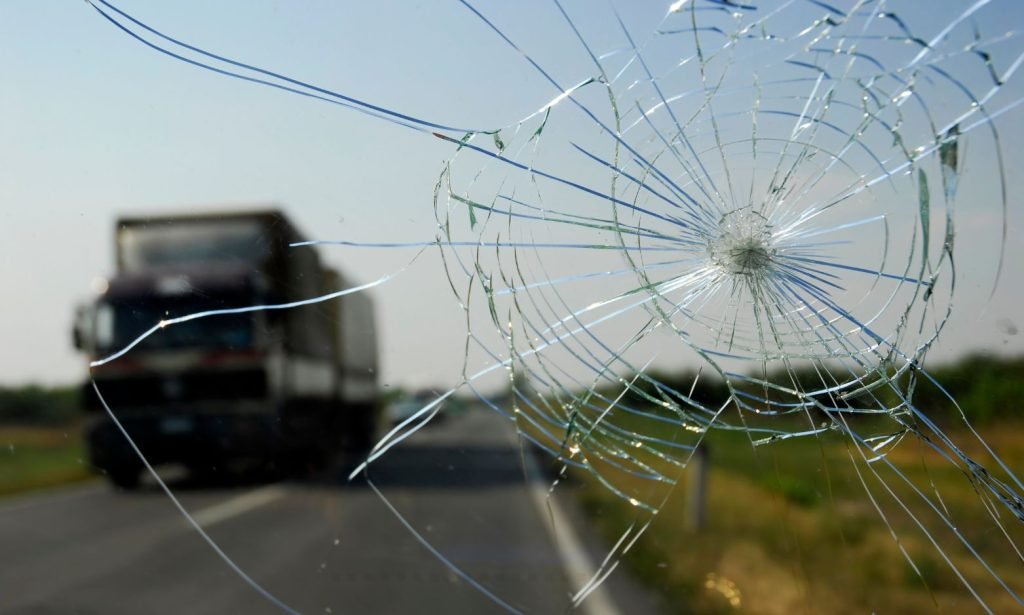
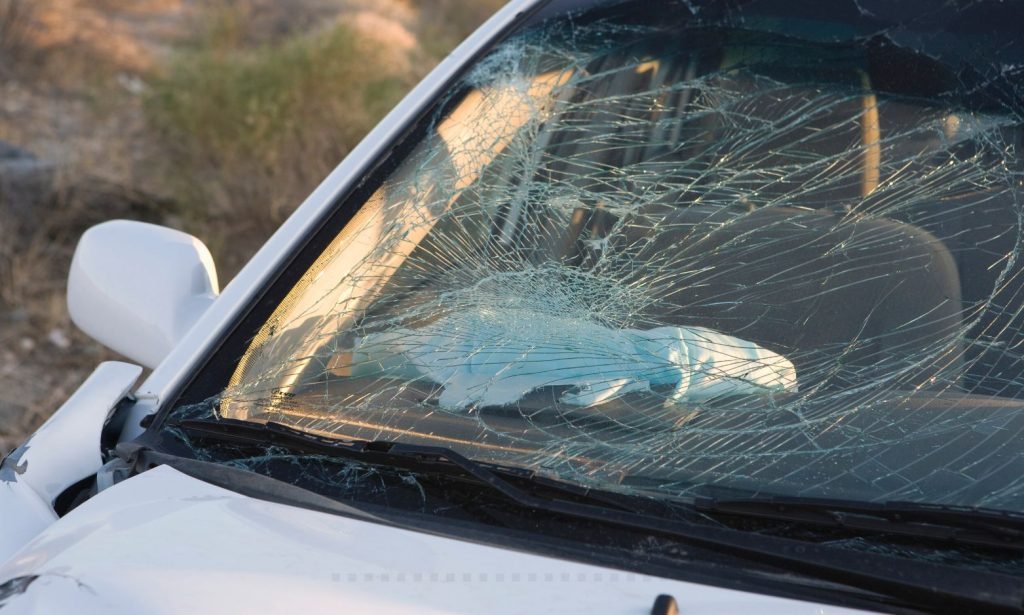
Your windshield just took a rock hit on the freeway. Now you have a crack spreading across your view. You need new glass fast. So you start looking around and realize you have two completely different options for getting this fixed.
You can drive your car to a shop, sit in a waiting room for a couple hours, maybe grab bad coffee from a machine, and eventually drive home with new glass. Or you can have someone show up wherever you are, do the whole job right there, and never leave your house or office.
Both options get the job done. Both can deliver quality work. But they work totally different and fit different situations. Some people swear by mobile service. Others prefer going to a shop. Neither choice is automatically better than the other.
Premiere Auto Glass offers both mobile and in-shop service because different customers need different things. Some jobs work better mobile. Some work better in a shop. Understanding the mobile glass repair vs shop debate helps you pick the option that actually makes sense for your specific situation.
This guide breaks down the real pros and cons of each approach. Not the marketing fluff shops put on their websites. The actual differences that matter when you need glass work done.
What mobile glass repair actually looks like
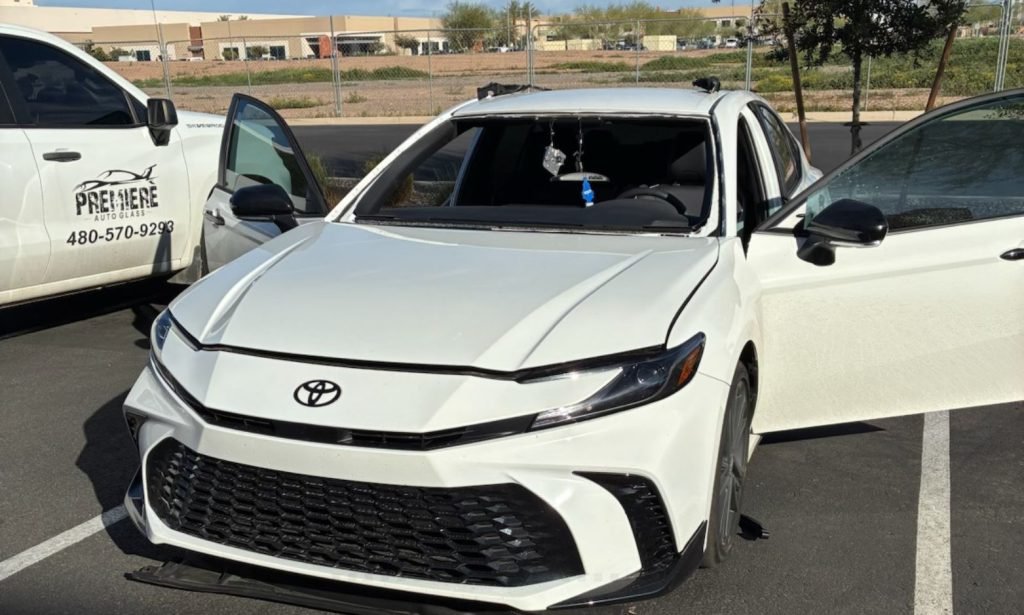
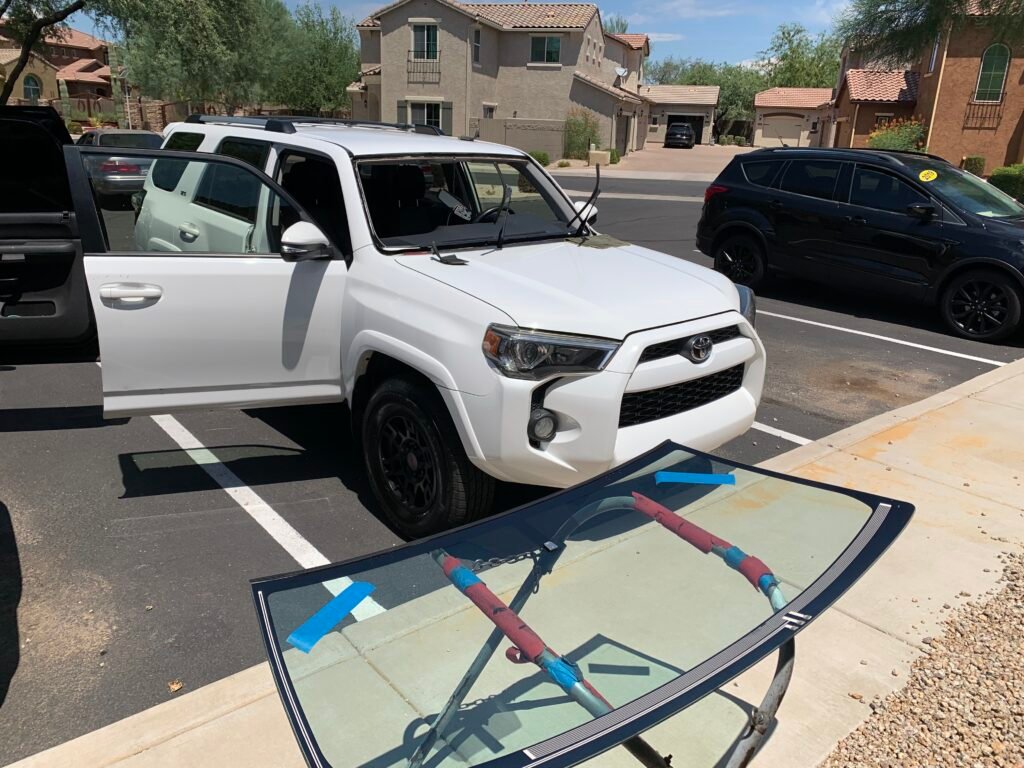
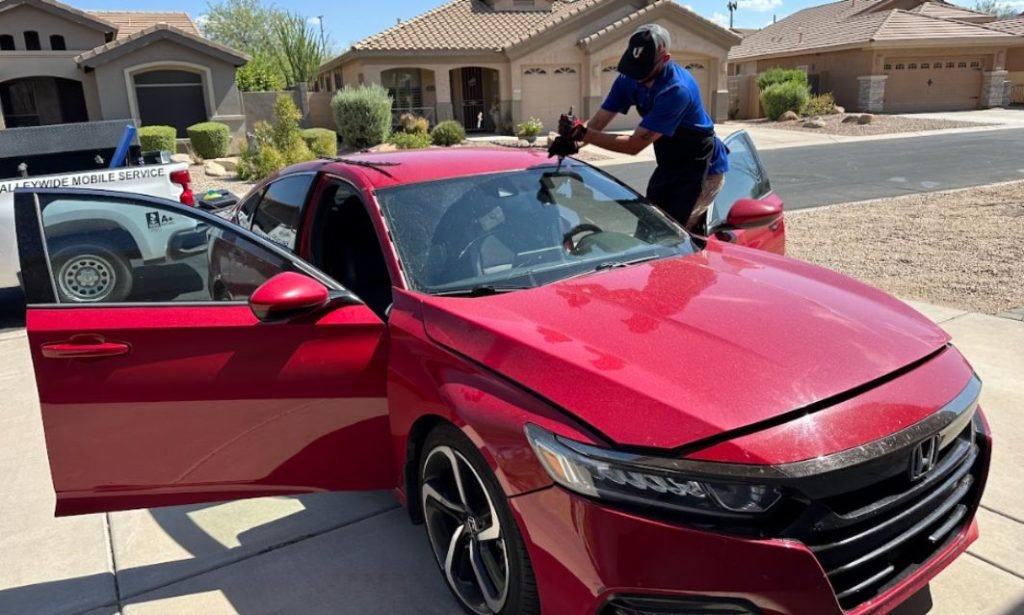
Mobile service means the tech comes to you. Your house. Your office. The grocery store parking lot. Wherever works for you.
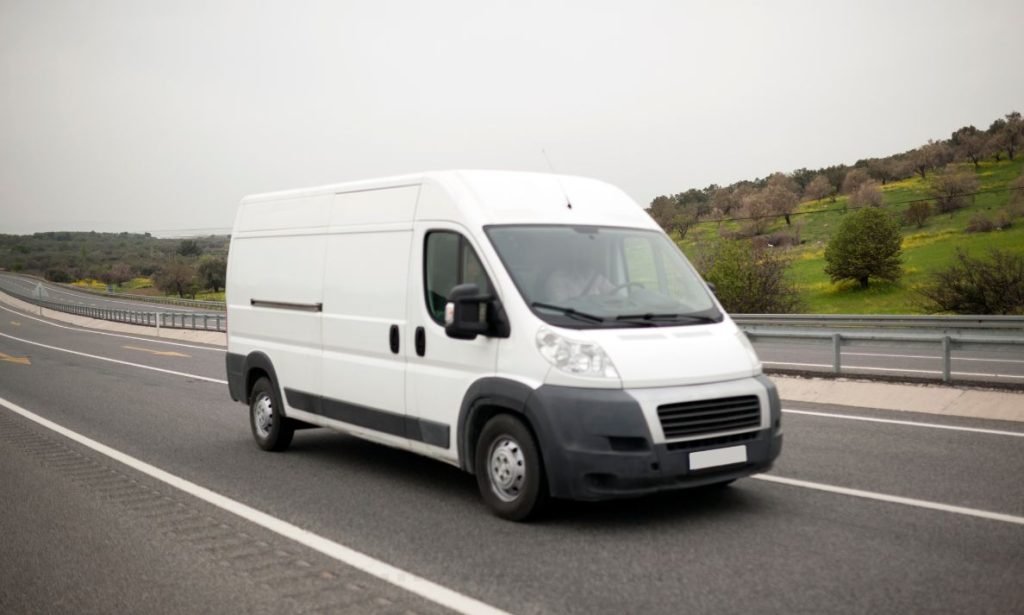
The tech shows up in a van or truck loaded with all the gear and materials needed to do the job on site. Tools, glass, adhesives, calibration equipment for newer cars, everything rides along. They park near your vehicle, set up their workspace, and get to work.
For windshield replacement, the whole process takes about an hour to two hours depending on your vehicle. Chip repairs take maybe 30 minutes. ADAS calibration adds extra time if your car needs it. The tech finishes up, cleans everything, gives you instructions on cure time, and heads out. You never left wherever you were.
Mobile techs work in parking lots, driveways, street parking, office garages, basically anywhere they can safely access your vehicle. Weather plays a role obviously. Heavy rain or extreme heat can push appointments to better conditions, but most days work fine for mobile service.
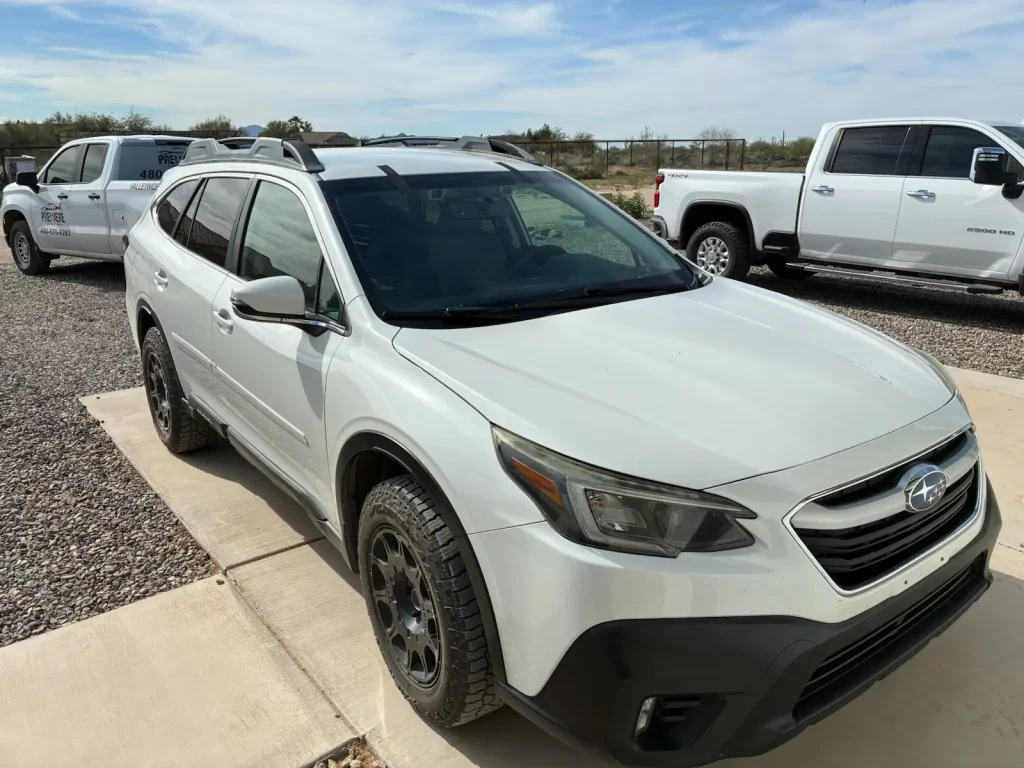
Premiere Auto Glass runs a full mobile operation covering the entire service area. The vans carry the same quality materials and equipment the shop uses. Mobile does not mean lower quality. It just means the work happens at your location instead of theirs.
The upside of mobile service
Mobile glass repair offers some seriously strong advantages that in-shop service just cannot match.
- You save massive amounts of time. Think about driving to a shop. You get in your car, deal with traffic, find the place, park, walk in, sit down, wait while they do the work, then drive home through traffic again. Easy two to three hours of your day gone. Mobile service cuts all that. You schedule a time. The tech shows up. You keep doing whatever you were doing. They finish and leave. You saved two hours minimum.
- Your schedule stays intact. With mobile service, you pick when and where. Early morning before work at your house. Lunch break in your office parking lot. Evening at home after the kids go to bed. The service adapts to your life instead of you adapting to shop hours. People with tight schedules or unpredictable days find mobile service way less disruptive.
- You avoid the hassle of getting there with damaged glass. Driving with a cracked windshield sucks. Depending on where the crack sits, it might block your view. Wind noise comes through. Rain might leak in. You stress about the crack spreading more while you drive. Mobile service means you do not drive anywhere with busted glass. The tech comes before you have to go anywhere.
- You can keep working or stay home with kids. Parents with young kids at home cannot always just leave for two hours. People working from home cannot always take long breaks. Mobile service lets you handle both at once. You stay home with the baby or keep taking work calls while the tech handles your windshield in the driveway.
- No waiting room time. Shop waiting rooms are universally terrible. Uncomfortable chairs. Ancient magazines. Bad TV playing shows nobody picked. Weird smells. Mobile service skips all that. You wait in your own space with your own stuff.
- According to Consumer Reports, convenience ranks as the top reason customers choose mobile auto services, with 73% of surveyed customers saying they prefer mobile specifically to avoid shop waiting rooms and commute time.
- Multiple vehicles at once. If you run a business with a fleet of vehicles, mobile service becomes even more valuable. The tech shows up at your location and works through multiple vehicles in one trip. Way more efficient than shuttling vehicles to a shop one at a time.
Mobile service basically removes all the friction of traditional shop service. You get quality work without disrupting your day.
The downside of mobile service
Mobile glass repair is not perfect for every situation. Some real limitations exist that you should know about.
- Weather can mess up scheduling. Mobile techs work outside or in open parking structures. Heavy rain makes windshield work nearly impossible because the adhesive needs dry conditions to cure properly. Extreme heat over 110 degrees creates problems too because adhesive cures too fast and can set incorrectly. Cold weather slows cure times significantly. Shops have climate-controlled bays that sidestep all these issues. Mobile operations have to work around weather or reschedule.
- Complex jobs work better in controlled environments. Some vehicles have windshields that are genuinely difficult to install. Tight fits, complex shapes, unusual mounting systems. These jobs go smoother in a shop where the tech has lifts, specialized tools readily available, and consistent lighting. Mobile techs carry a lot of gear, but shops have even more options for handling tricky situations.
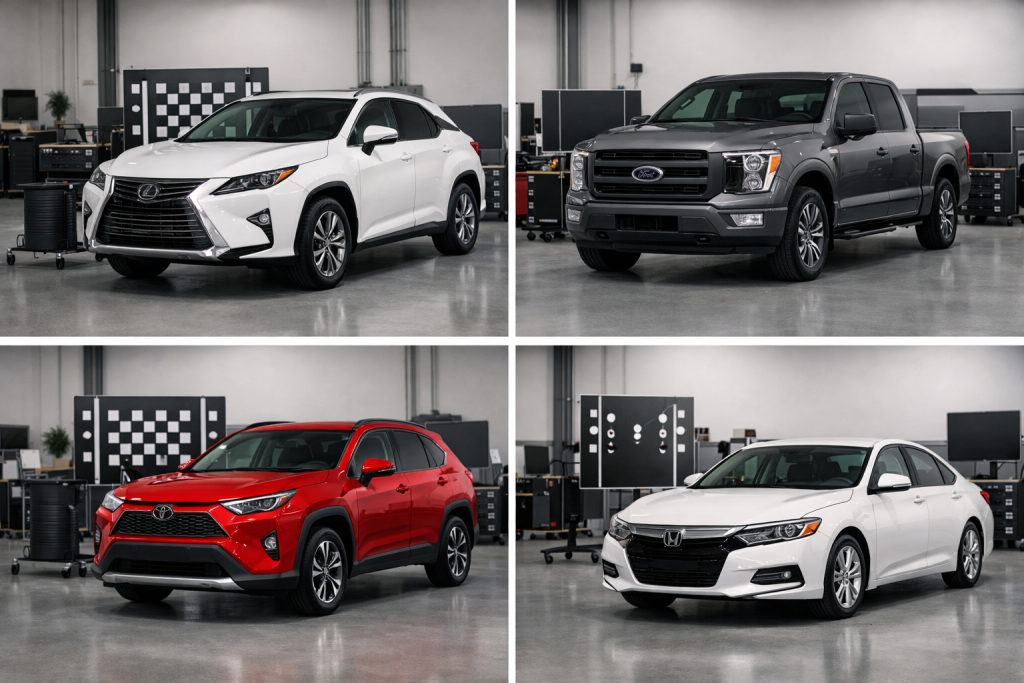
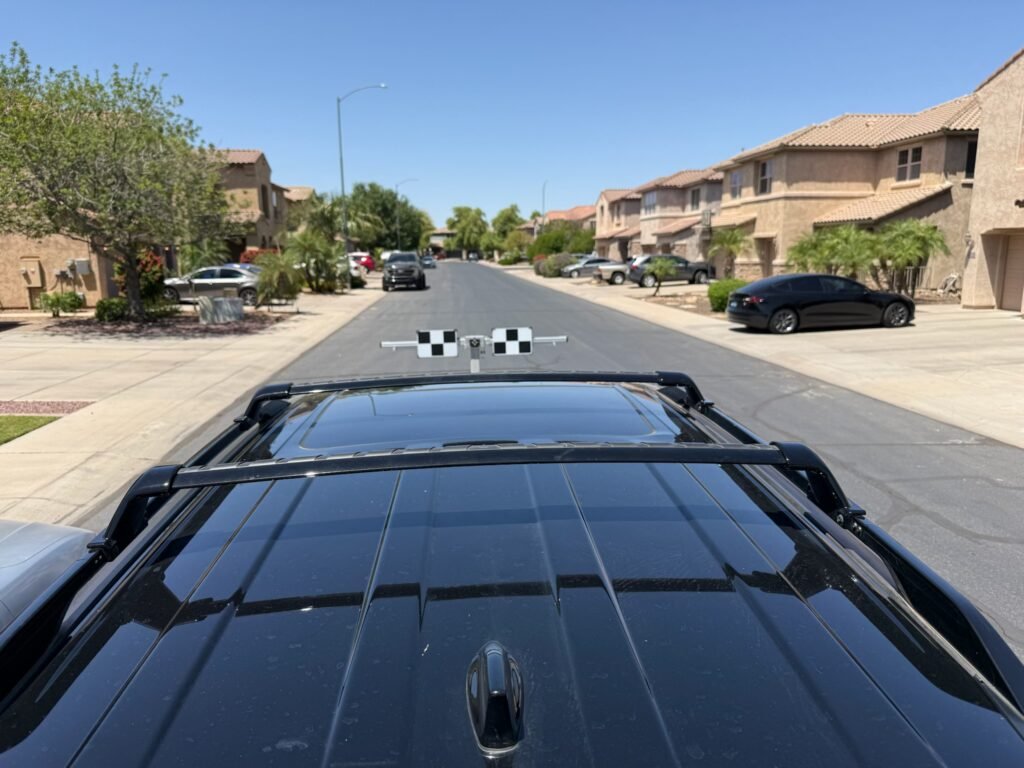
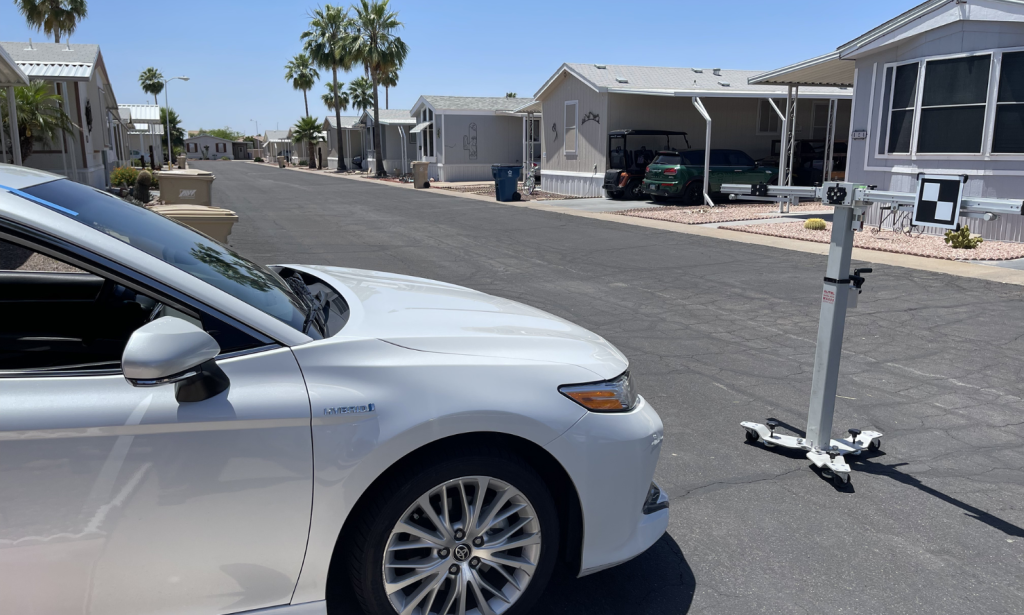
- ADAS calibration can get complicated mobile. Static calibration needs a perfectly level surface and controlled space to set up calibration targets at precise distances. Driveways and parking lots are not always level enough. Dynamic calibration requires road access for test drives. Both processes work mobile, but shops with dedicated calibration bays make the process more straightforward. Premiere Auto Glass handles mobile ADAS calibration regularly, but some complex calibrations do work better in the shop.
- Workspace limitations. Mobile techs work with whatever space your location provides. Cramped parking garages, tight driveways, street parking with traffic going by. Shops give techs dedicated bays with consistent workspace and zero distractions. For straightforward jobs this matters less. For complicated work it matters more.
- Availability can vary. Mobile techs cover geographic territories. If you live far from their base of operations, they might not service your area or might charge travel fees. Shops serve anyone willing to drive there regardless of distance.
These limitations do not make mobile service bad. They just mean mobile works better for some situations than others.
What in-shop glass repair looks like
In-shop service means you drive your vehicle to the shop location. You drop it off or wait while they complete the work.
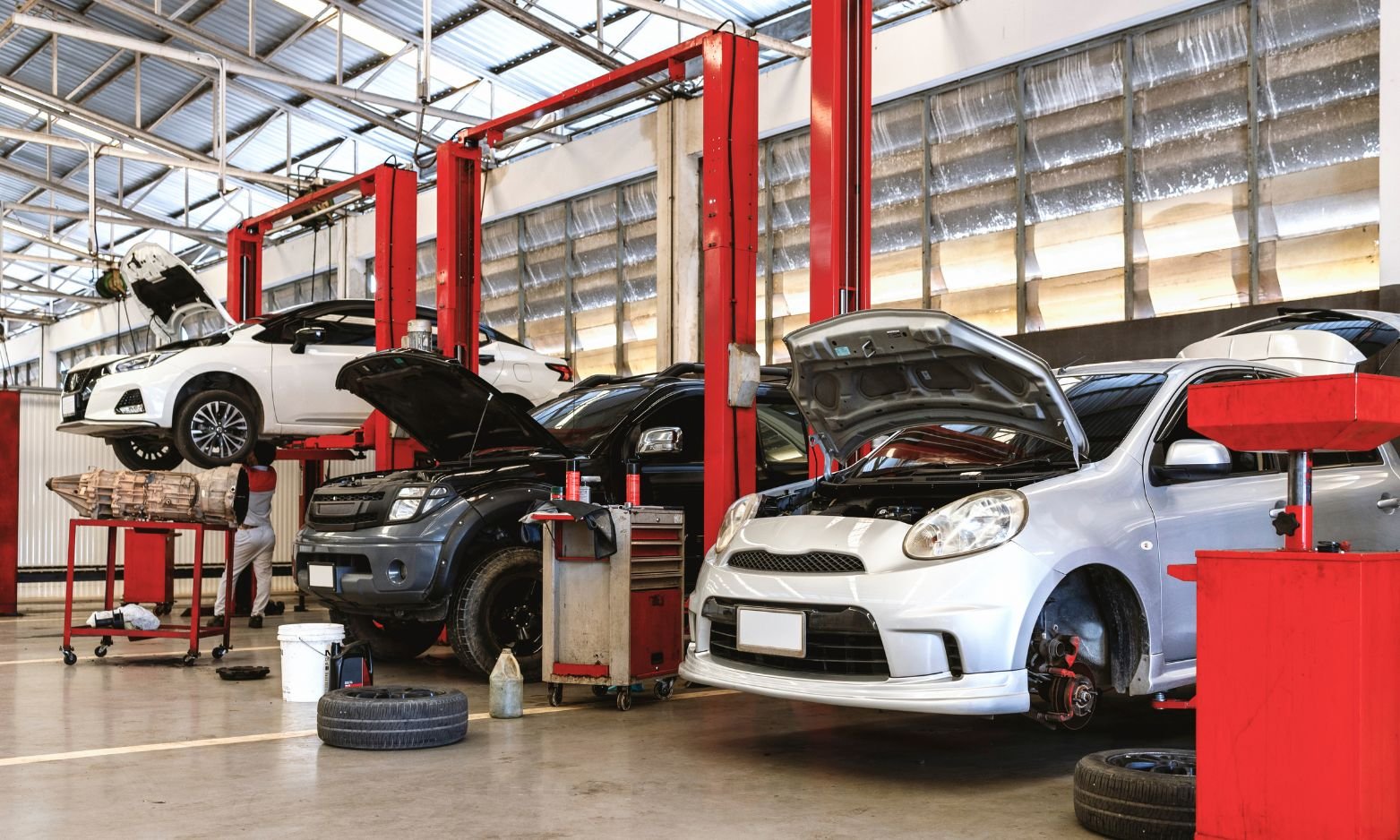
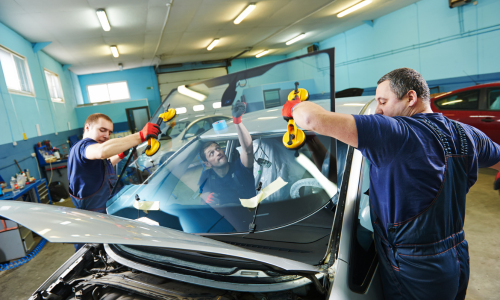
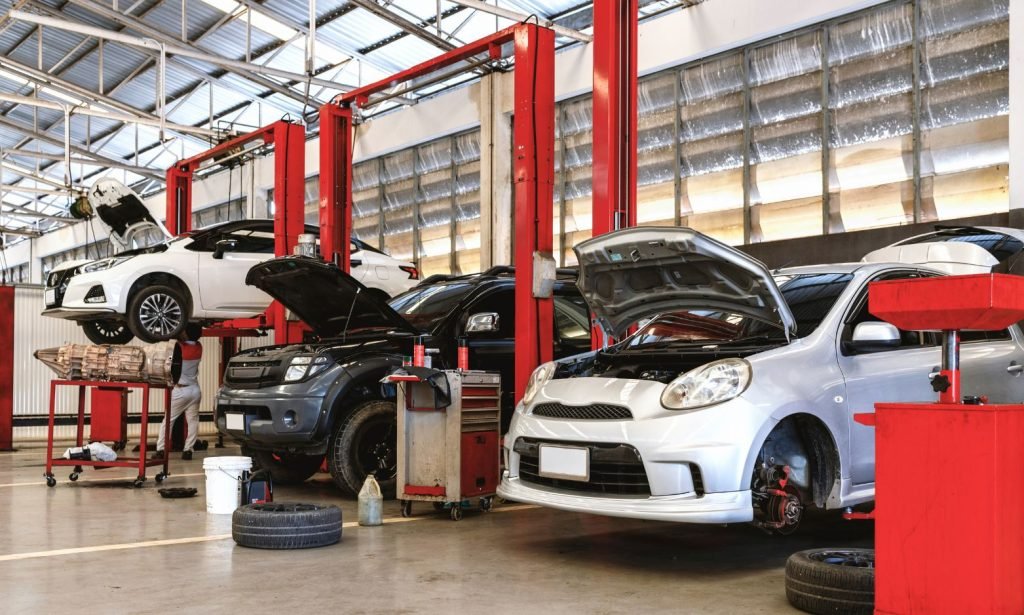
Most shops have multiple service bays with lifts, specialized tools, consistent lighting, and climate control. Techs work in a controlled environment optimized for glass installation. They have immediate access to any tool or material they might need.
For windshield replacement, you drop your car off in the morning and pick it up that afternoon. Or you wait in the lobby for an hour or two if they have an open bay and can start immediately. Chip repairs happen fast enough that waiting makes sense for most people.
Shops schedule appointments but also take walk-ins when bays are available. You can usually call ahead and get a rough idea of wait times. Some busy shops book days or weeks out. Others have availability same day.
Premiere Auto Glass operates a full shop facility with multiple bays, all the equipment needed for any vehicle, and trained techs who handle complex installations regularly. The shop serves customers who prefer bringing their vehicle in or who have jobs that benefit from the shop environment.
The upside of shop service
In-shop glass repair has real advantages that make it the better choice for certain situations.
- No weather worries at all. Shops control the entire environment. Climate-controlled bays maintain perfect temperature and humidity for adhesive curing. Rain, snow, heat, cold, none of it matters. Your job gets done on schedule regardless of what is happening outside. This consistency matters especially during extreme weather seasons.
- Complex jobs get handled more easily. Shops have every tool that might be needed for unusual installations. Specialized suction systems for huge windshields. Lifts to access difficult angles. Extra lighting to spot issues. Massive parts inventory for uncommon vehicles. The shop environment just makes complicated work go smoother.
- ADAS calibration works ideally. Shops build dedicated calibration bays with level floors, controlled lighting, and space for precise target placement. They have permanent setups for static calibration that mobile operations have to recreate each time. Complex calibrations requiring both static and dynamic procedures flow more efficiently in shop settings.
- Multiple techs can collaborate. Some installations benefit from having two techs working together. Shops make this easy because multiple techs work in the same facility. Mobile service typically sends one tech per job unless the vehicle requires special handling.
- Immediate access to extra parts if needed. Sometimes an installation reveals unexpected damage. Corroded mounting points. Broken clips. Missing hardware. Shops have parts inventory on hand to handle these surprises immediately. Mobile techs carry common parts but might need to order something and return for unusual issues.
Data from the Automotive Glass Replacement Association shows that complex installations requiring specialized tools or multiple techs have 23% fewer post-installation issues when completed in shop environments versus mobile service.
You do not have to be there. Drop-off service means you leave your car and go about your day. You do not have to be home or stay at your office. Just drop it in the morning, they call when it is ready, you pick it up later. Some people prefer this approach.
Shops excel at complicated jobs, unusual vehicles, and situations where environmental control matters most.
The downside of shop service
Shop service comes with hassles that mobile service completely avoids.
- You waste time driving and waiting. Getting to the shop, waiting around, getting home takes hours. Even if the actual work only takes 90 minutes, you spent three hours total dealing with it. People with busy schedules or limited free time find this incredibly frustrating.
- You need transportation while your car is there. Drop-off service sounds convenient until you realize you need a ride to the shop and back. Maybe a family member helps. Maybe you use rideshare. Either way, it is extra coordination and cost. Mobile service skips this completely because your vehicle stays where you are.
- Shop hours might not match your schedule. Most shops operate Monday through Friday during business hours, maybe Saturday mornings. If you work those exact hours, getting to the shop during open times becomes a problem. Mobile service works evenings and weekends more easily because techs schedule directly with customers.
- Waiting rooms are miserable. Already covered this but worth repeating. Waiting rooms universally suck. Nobody enjoys sitting in a lobby for two hours. Shops try to make them comfortable, but they are still waiting rooms. Mobile service means you wait in your own home or office.
- You might drive there for nothing. Sometimes shops get busy. You show up for your appointment and find out they are running behind. Or the glass they ordered did not arrive. Or some other issue delays your job. You just wasted a trip. Mobile operations call and reschedule before sending a tech out.
These hassles do not mean shops deliver bad service. They just mean shops require more of your time and coordination.
Which option actually makes sense for you
The mobile glass repair vs shop question does not have a universal right answer. It depends completely on your situation.
Pick mobile service when:
You want to avoid driving with damaged glass. Your schedule is tight and you cannot spare three hours. You have young kids at home or work from home and cannot leave easily. Weather is good and your job is straightforward. You have multiple vehicles needing service at one location. Convenience matters more than anything else.
Pick shop service when:
Weather is terrible and mobile conditions are not ideal. Your vehicle needs complex work or has an unusual windshield. You need extensive ADAS calibration. You prefer dropping off and picking up later. You do not mind spending time traveling and waiting. Your job might require extra tools or multiple techs.
Both work great when:
Your vehicle is common and the job is straightforward. Weather is decent. You have flexibility in scheduling. Quality matters more than minor convenience differences.
Premiere Auto Glass helps customers choose the right option during scheduling. The team asks about your vehicle, checks current weather, discusses your schedule and location, then recommends mobile or shop based on what makes most sense. Both services use identical quality materials and follow the same installation standards. The work quality stays consistent. Only the location changes.
Final thoughts on making your choice
Mobile and shop glass repair both deliver excellent results when done by qualified techs using quality materials. Neither option is automatically superior.
Mobile service wins on convenience, time savings, and schedule flexibility. Shop service wins on environmental control, handling complex jobs, and having every tool immediately available.
Think about your specific situation. What matters most to you right now? Convenience? Weather conditions? Job complexity? That tells you which option makes sense.
Do not stress about making the perfect choice. Both work. Pick whichever fits your life better today. You can always choose differently next time you need glass work.
Premiere Auto Glass delivers both options with the same commitment to quality and customer service. Whether you want mobile service at your location or prefer bringing your vehicle to the shop, the work meets the same high standards. Contact Premiere Auto Glass now to schedule whichever service fits your needs and get your glass fixed without unnecessary hassle.
Questions people ask about mobile vs shop service
- Does mobile service cost more than going to a shop? Pricing is usually identical or very close between mobile and shop service for the same job. Some companies charge small travel fees for mobile service in distant areas, but the base price for materials and labor stays consistent. Premiere Auto Glass charges the same rates for mobile and shop work. You pay for quality materials and skilled labor, not for the location where the work happens.
- Is mobile glass repair quality as good as shop work? Absolutely yes when done by trained techs using proper materials. Mobile techs follow the exact same installation procedures and quality standards as shop techs. They use the same adhesives, the same glass, the same tools. The work quality depends on tech skill and material quality, not on whether the work happens at your house or in a shop bay. Shops doing both mobile and shop service maintain identical standards for both.
- What happens if weather gets bad during my mobile appointment? Reputable mobile services monitor weather closely and reschedule if conditions become unsuitable for quality work. Light rain might be fine depending on covered parking availability. Heavy rain, extreme heat, or storms require rescheduling. Shops call customers before sending techs out in bad weather. Premiere Auto Glass watches forecasts carefully and contacts customers proactively if weather will affect their scheduled mobile appointment.
- Can mobile techs do ADAS calibration on site? Yes, most modern mobile operations handle ADAS calibration on location. Dynamic calibration works great mobile since it requires road access anyway. Static calibration works mobile when the location provides reasonably level surfaces for setup. Some extremely complex calibrations requiring perfect environmental control work better in dedicated shop calibration bays, but probably 90% of vehicles calibrate successfully mobile without issues.
- How do I choose between mobile and shop service? Consider your schedule, your location, current weather, and job complexity. If convenience and time matter most and weather is decent, go mobile. If your vehicle needs complex work or weather is bad, go shop. Call shops offering both options and describe your situation. They help you pick the approach that makes most sense. Both deliver quality results. The choice mostly comes down to convenience factors and specific job requirements.