
Here’s What You’ll Learn in This Article
Understand how windshield damage gets evaluated using three key factors: size, depth, and location. Learn why each one changes the repair decision, how professionals decide between repair and replacement, and what really happens when your windshield gets damaged on the road.
Introduction
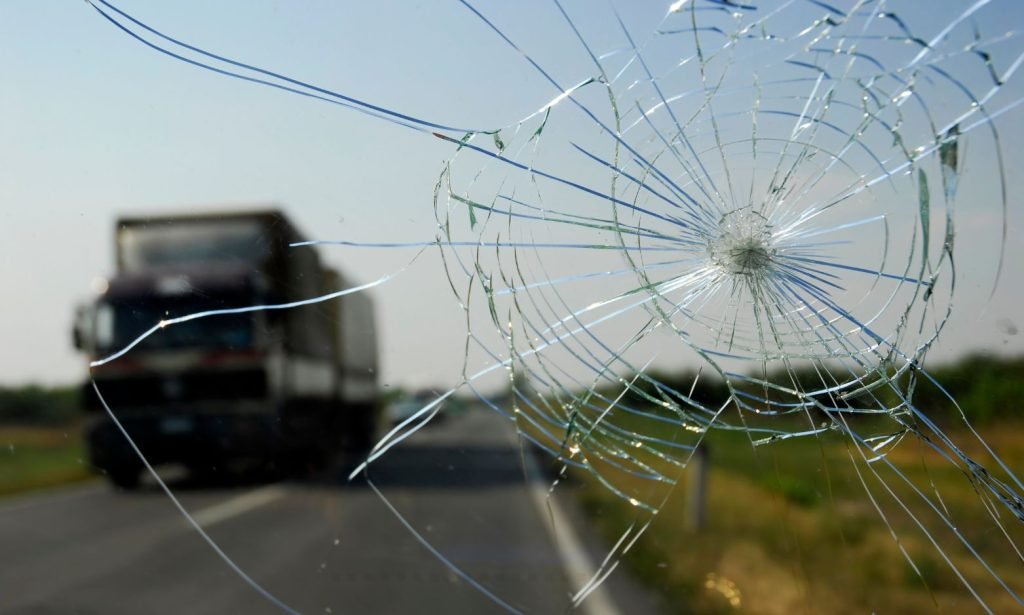
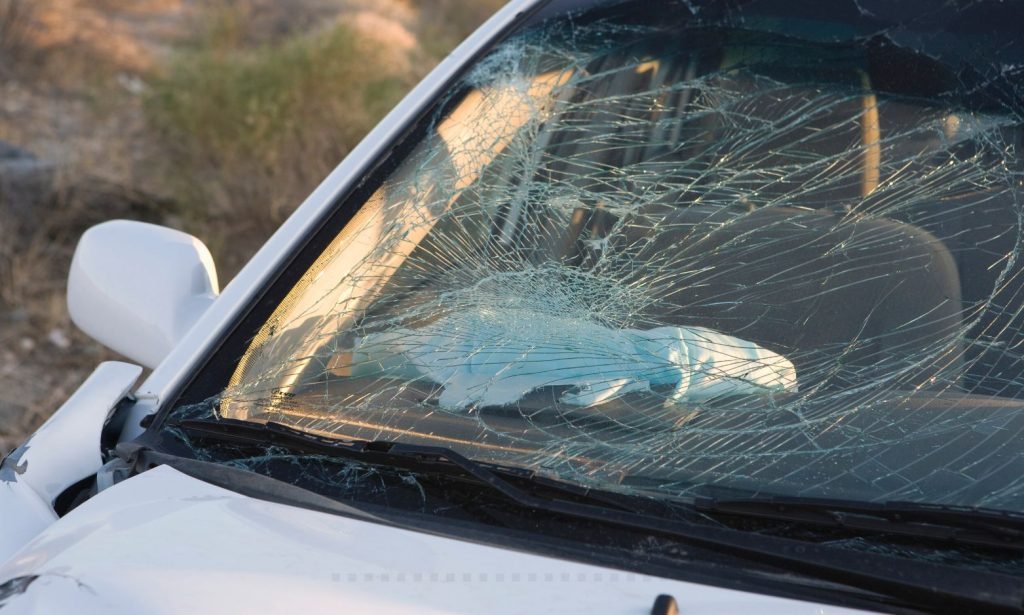
A rock bounced off the road and smacked your windshield. You heard that sickening crack sound. Your heart sank because you know exactly what just happened.
Now you are staring at damage in your glass and trying to figure out what to do next. Can someone repair this, or do you need a whole new windshield? Will insurance cover it? Can you wait a few days or does this need fixing right now?
The answers depend entirely on three things. How big the damage is. How deep it goes. And where exactly it sits on your windshield.
These three factors determine everything. Whether repair is possible or you need replacement. How much it costs. How safe your windshield remains. How urgent the fix needs to be.
Most people guess at these answers. They look at the damage and make assumptions. Sometimes those assumptions are right. Often they are completely wrong.
Premiere Auto Glass evaluates windshield damage every single day. The team knows exactly how to assess size, depth, and location to give customers accurate answers about repair versus replacement. This guide walks through why each factor matters so much and what each one means for your specific situation.
Size determines whether repair is even possible
The size of your windshield damage is the first thing any tech looks at. Not all damage can be fixed. Size determines which category you fall into.
Chips smaller than a quarter almost always qualify for repair. These small impacts are perfect candidates. The resin fills them completely. The repair restores clarity and strength. You end up with a windshield that looks and performs almost like new.
Chips between a quarter and a dollar coin size get into gray area. Repair is often still possible, but success depends on the exact type of damage and how clean the break is. Star breaks in this size range repair better than combination breaks. A skilled tech evaluates whether the resin can fill the damage completely or if weak spots will remain.
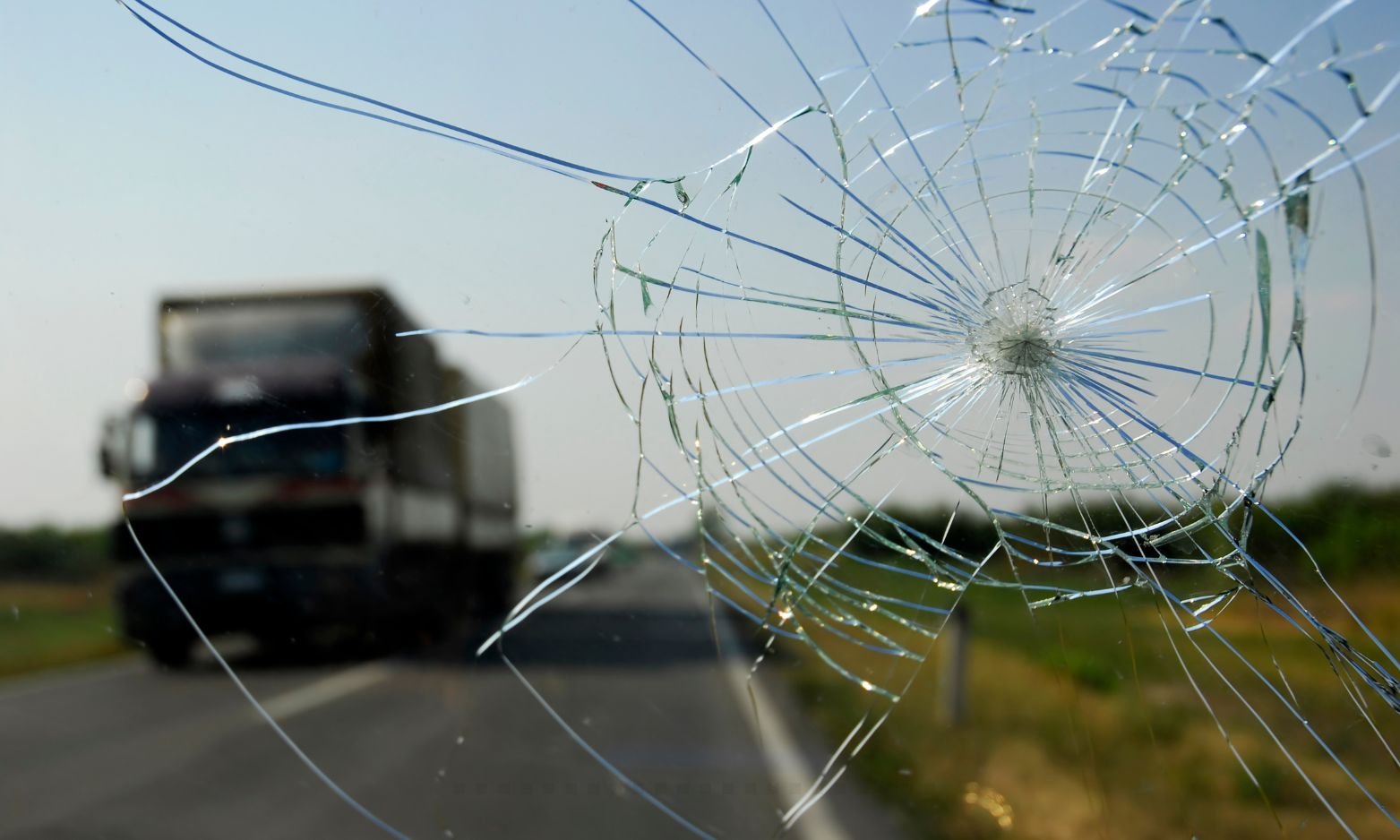
Anything bigger than a dollar coin typically needs replacement. The damage area becomes too large for resin to restore adequate strength. Even if the tech manages to fill it, the repaired area stays structurally weak. Temperature changes and road vibration will likely cause the damage to spread again within weeks or months.
Cracks follow different rules than chips. Most repair standards say cracks under three inches can be repaired. Cracks between three and six inches fall into maybe territory. Anything over six inches definitely needs replacement. But crack location matters just as much as crack length, which we will get to shortly.
According to the Auto Glass Safety Council, windshield damage exceeding two inches in diameter has significantly higher failure rates when repaired compared to smaller damage, with repairs on oversized damage failing within six months in over 60% of cases.
The size limits exist for good reasons. Trying to repair damage that is too large leaves you with a windshield that looks fixed but actually remains compromised. The repair might hold for a bit, but it will eventually fail. Usually at the worst possible time.
Premiere Auto Glass follows industry standards strictly on size limits. If damage falls outside repairable size ranges, the team tells customers honestly that replacement makes more sense than attempting a repair that will not last.
Depth tells you how serious the damage really is
Windshields are not just single sheets of glass. They have three layers. Two layers of glass with a plastic layer sandwiched between them. This laminated construction is what keeps the windshield from shattering into a million pieces during impacts.
The depth of your damage determines which layers got hit and how serious the problem is.
Surface damage only affects the outer glass layer. Light scratches, tiny pits from sand or gravel, minor surface chips. These stay in the outer layer without penetrating to the plastic interlayer. Surface damage repairs easily or sometimes just polishes out. It poses minimal safety risk.
Partial depth damage breaks through the outer glass but stops at the plastic layer. Most rock chips fall into this category. The outer glass cracks but the plastic layer stops the damage from going deeper. This type repairs well when the size is right. The resin fills the cracks in the outer glass and bonds everything back together.
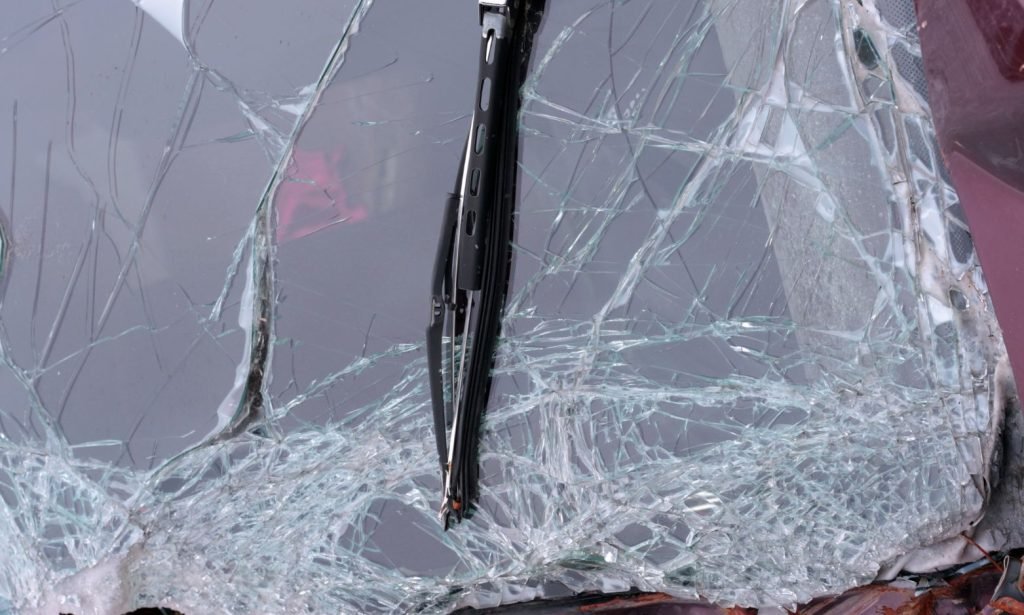
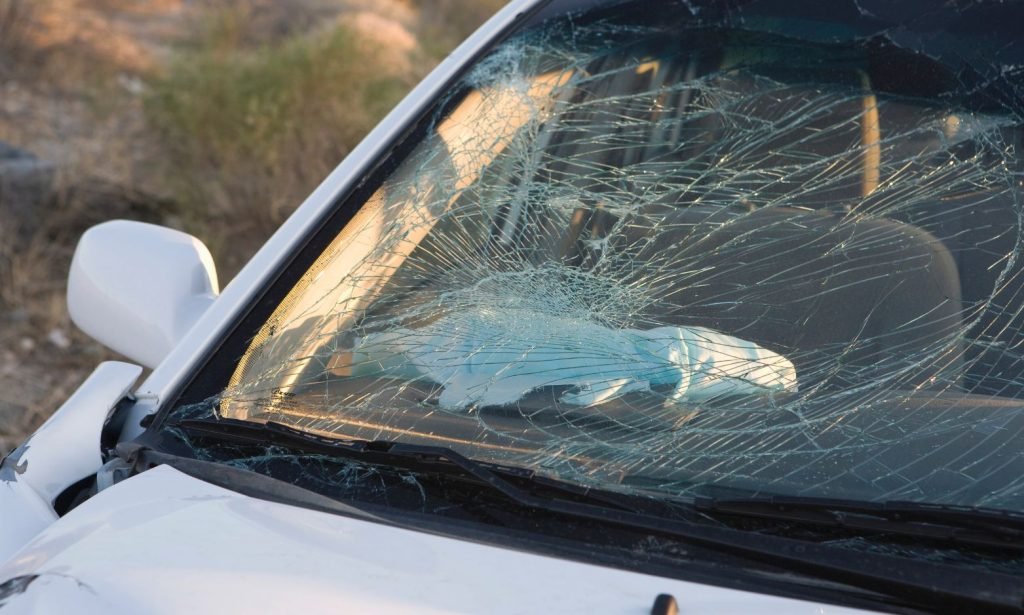
Full depth damage punches completely through both glass layers. This is serious. The outer glass broke. The plastic layer tore or separated. Sometimes even the inner glass layer cracked. Full depth damage usually means replacement. The structural integrity is too compromised for repair to work reliably.
You cannot always tell depth just by looking. Surface appearance can fool you. What looks like a small chip on the surface might have deep fracture lines running through multiple layers underneath.
Techs check depth carefully during evaluation. They look at the damage from multiple angles. They use special lights to see fracture patterns inside the glass. They might gently press on the damage to see how the layers respond.
Research published in the Journal of Materials Science shows that windshield damage penetrating the laminate layer reduces overall windshield strength by 40% or more, compared to just 15% strength reduction from surface-only damage of equivalent size.
Depth matters because deeper damage compromises more of the windshield’s structure. A small chip that goes all the way through both layers is way more serious than a larger chip that only affects the outer layer.
Premiere Auto Glass techs evaluate depth thoroughly before recommending repair or replacement. They do not guess. They check carefully because depth determines whether a repair will actually hold up over time.
Location determines everything else
Here is where things get really interesting. Two identical chips, same size, same depth, can require completely different solutions based purely on where they sit on your windshield.
Location affects visibility, structural integrity, legal compliance, and repair success rates. Some spots on your windshield are critical zones where even small damage requires replacement. Other spots handle damage better.
The driver’s direct sight line is the most critical zone. This is the area directly in front of the driver where you look through the windshield to see the road. Damage here creates visual distortion even after repair. The repaired spot might be structurally sound, but it still creates a faint mark that catches your eye while driving. That distraction creates a safety hazard.
Most states have laws about damage in the driver’s sight line. Many prohibit any damage or repair within a certain distance of the driver’s eyes. Even when repair is technically possible, regulations often require replacement instead.
The windshield edge zone matters hugely for structural reasons. Damage within about three inches of the windshield edge compromises the seal between glass and frame. This area provides critical structural support. The windshield contributes to overall vehicle rigidity. Edge damage weakens this support significantly.
Edge damage also spreads faster. Temperature changes cause the glass to expand and contract. Edge areas experience the most stress during these changes. Damage near the edge tends to turn into cracks that shoot across the windshield rapidly.
Most quality shops refuse to repair edge damage regardless of size. The structural risk is too high. Replacement is the only reliable solution.
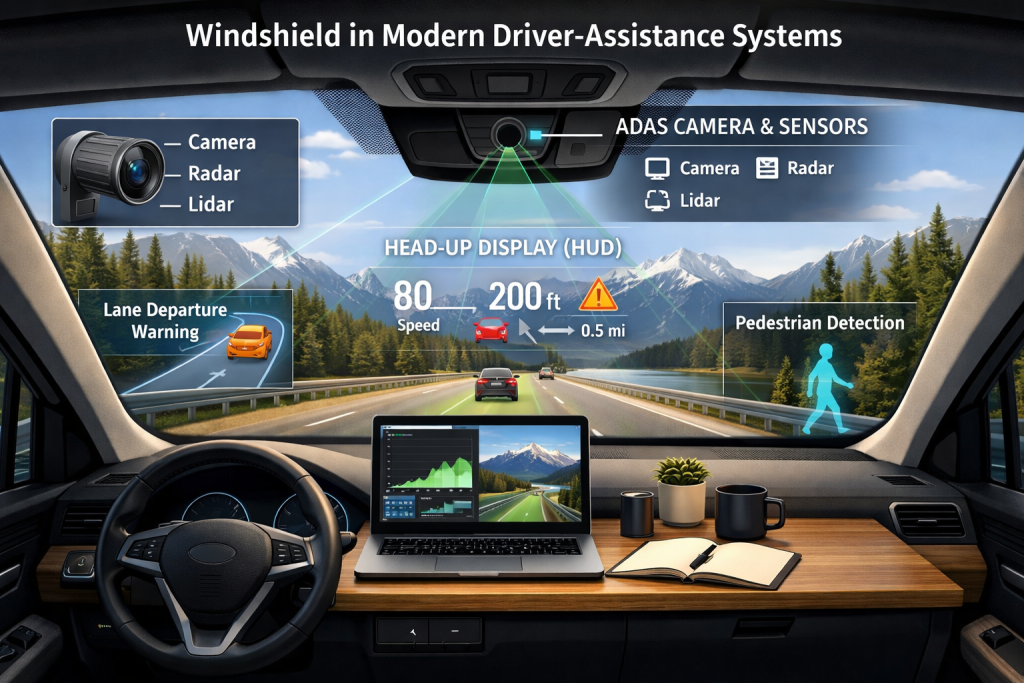
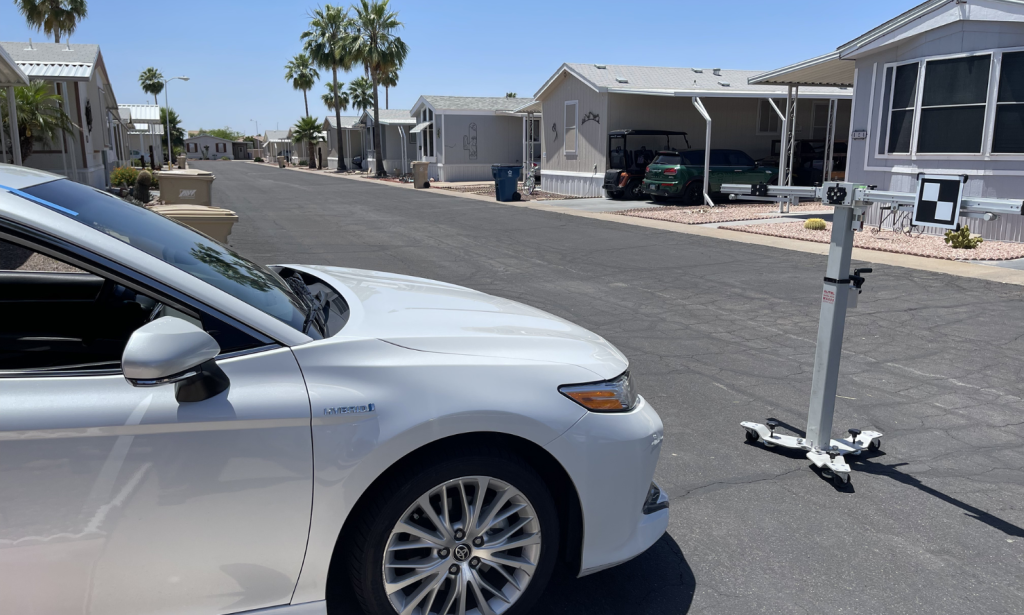
Behind the rearview mirror creates special challenges. Damage directly behind the mirror might not affect your view since the mirror blocks it anyway. But this is exactly where the ADAS camera mounts in modern vehicles. Damage here can interfere with camera function even if you cannot see it while driving.
Some techs will repair damage behind the mirror if the camera is not affected. Others recommend replacement to avoid any potential camera issues. Premiere Auto Glass evaluates each situation individually based on the specific vehicle and damage location relative to the camera position.
The passenger side handles damage better. Damage on the passenger side of the windshield, away from the driver’s sight line and away from edges, repairs most successfully. These areas experience less critical visibility requirements. Regulations are more lenient. Repair success rates run higher.
A chip on the passenger side that would require replacement if it were on the driver’s side often qualifies for simple repair instead. Location literally changes the answer.
Damage over the inspection sticker creates legal problems in some states. Several states prohibit damage that obscures the vehicle inspection sticker. Even perfect repairs count as damage for this purpose. Check your state’s rules at resources like DMV.org to understand inspection requirements in your area.
Data from the National Windshield Repair Association indicates that windshield crack repair location determines repair success more than any other single factor, with edge damage showing 78% failure rates compared to just 12% failure rates for center-glass damage of equivalent size.
Location also affects insurance coverage sometimes. Some policies cover repairs anywhere but only cover replacement for damage in specific zones. Understanding your policy details helps you know what to expect cost-wise.
How these three factors work together
Size, depth, and location do not work independently. They interact to create your specific situation.
A tiny chip in the driver’s sight line might need replacement even though the size alone would qualify for easy repair. A larger chip on the passenger side away from edges might repair fine even though the size pushes limits.
Deep damage at the edge requires replacement even if it is relatively small. Surface damage in a good location repairs successfully even when slightly larger.
This is why online assessments and phone estimates only go so far. A tech needs to see your actual damage in person to evaluate all three factors together and give you an accurate answer.
Some combinations create obvious answers. Huge crack across the driver’s view equals replacement, no question. Tiny chip on the passenger side equals repair, easy call.
Other combinations create situations where tech experience and judgment matter. Medium chip in moderate depth near but not at the edge. Good techs evaluate these gray areas honestly based on real-world experience with how repairs hold up over time.
Premiere Auto Glass brings years of experience to these evaluations. The team has seen thousands of repairs and knows which combinations succeed and which fail. They give customers honest assessments based on actual outcomes, not on trying to sell the most expensive service.
What this means when damage happens to you
When you discover windshield damage, do not guess whether repair or replacement makes sense. Get a professional evaluation.
Take photos of the damage if you can. Note where it sits on the windshield relative to the driver’s position, edges, and mirror. Measure it roughly if possible. This info helps when you call for an initial assessment.
But understand that accurate answers require in-person inspection. The tech needs to see the damage clearly, check depth, evaluate exact location, and assess overall windshield condition.
Most reputable shops offer free damage evaluations. Premiere Auto Glass provides complimentary inspections and gives customers clear explanations of what they found and what options make sense.
Do not wait days or weeks to get damage checked. Small repairable damage turns into large replacement-requiring damage surprisingly fast. Temperature swings, road vibration, car wash pressure, all of it contributes to spreading.
Get it looked at within 24 to 48 hours if possible. Fresh damage repairs more successfully than old damage that has had time to accumulate dirt and moisture in the cracks.
Making the right choice
Understanding how size, depth, and windshield crack repair location determine your options helps you make informed decisions when damage happens.
Small shallow damage in good locations repairs beautifully and lasts indefinitely. Large deep damage in critical zones requires replacement for safety and legal reasons. Everything between these extremes requires professional evaluation.
Trust shops that give honest assessments. Be wary of places that always recommend the most expensive option or that promise to repair damage outside industry standards. Quality shops follow established guidelines because those guidelines protect you.
Your windshield does more than just keep wind and bugs out. It provides critical structural support. It protects you during collisions. It supports advanced safety systems in modern vehicles. Treating damage properly matters for all these reasons.
Premiere Auto Glass evaluates every damage situation individually based on size, depth, and location. The team follows industry best practices and gives customers truthful recommendations about repair versus replacement. Get your free damage evaluation scheduled now and find out exactly what your windshield needs for proper repair or replacement.
Common questions about windshield damage
- Can I drive with a cracked windshield while I wait for repair? You can technically drive with minor damage, but you should not wait long. Small chips spread into large cracks quickly, especially with temperature changes and road vibration. Damage in the driver’s sight line creates dangerous visibility problems. Edge damage compromises structural integrity. Get damage evaluated and fixed within a day or two maximum. Driving for weeks with windshield damage risks the crack spreading and turning a cheap repair into an expensive replacement.
- Will my insurance cover windshield repair or replacement? Most comprehensive auto insurance policies cover windshield repair with zero deductible. Many also cover replacement but might apply your deductible depending on policy specifics. Coverage often depends on windshield crack repair location and damage size. Call your insurer or have the glass shop verify coverage before scheduling work. Premiere Auto Glass handles insurance verification and claims processing for customers to make the whole process easier.
- How long does windshield repair take compared to replacement? Chip repair typically takes 30 to 45 minutes including prep and cure time. Windshield replacement takes one to two hours for the installation plus cure time before you can drive safely. ADAS calibration adds another hour or more for vehicles with camera systems. Your total time commitment depends on damage severity and your specific vehicle requirements.
- Can a repaired windshield crack spread later? Properly repaired chips should not spread if the repair was done correctly on damage within repairable size and location limits. Repairs that fail and spread later usually involve damage that was too large to repair in the first place, contaminated damage that could not be cleaned properly, or poor repair technique. Fresh damage in good locations repaired by skilled techs using quality materials stays stable permanently in most cases.
- What happens if I ignore windshield damage? Small chips turn into large cracks. Repairable damage becomes replacement-requiring damage. A 75 dollar repair turns into a 400 dollar replacement. Cracks in your sight line create dangerous visibility issues. Edge damage weakens your windshield’s structural support. Some states ticket drivers for windshield damage that obstructs vision or fails inspection requirements. Ignoring damage always costs more money and creates more risk than fixing it promptly.