
Here’s What You’ll Learn in This Article
Learn why ADAS calibration matters after windshield replacement, how uncalibrated sensors can affect safety features like lane assist and automatic braking, and why driving without proper calibration creates serious safety and legal risks.
Introduction
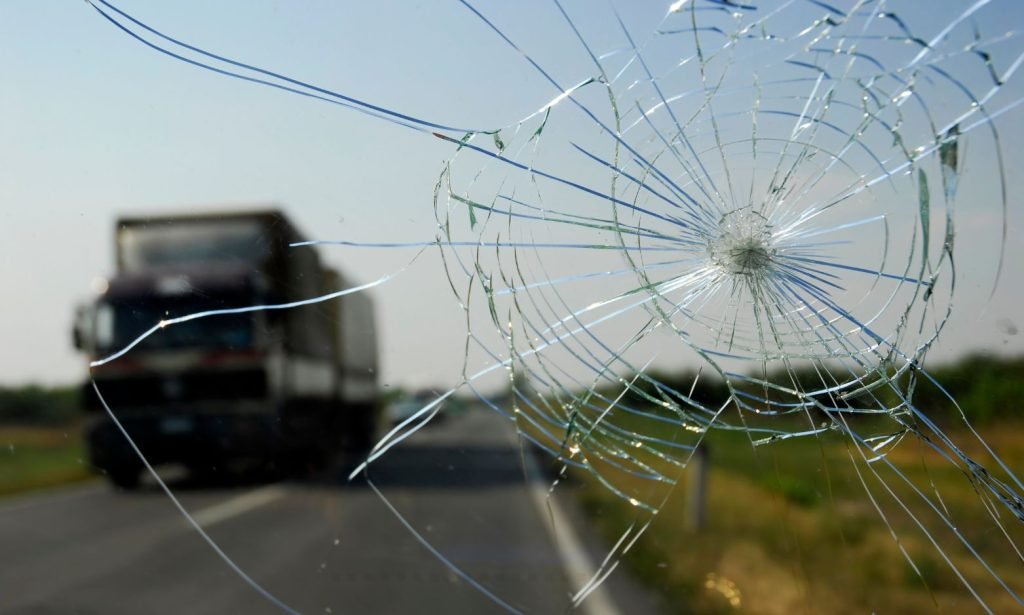
You just got your windshield replaced. Looks perfect. Clear view. No cracks. The shop told you the job was done and sent you on your way.
But nobody mentioned anything about recalibrating the camera stuck to your windshield behind the mirror. You did not even know that camera existed until right now. And you definitely did not know it needs recalibration after glass work.
So now you are wondering if you can just drive normally or if something bad might happen. Your car seems fine. All the buttons and screens work like usual. The lane warnings still beep sometimes. Nothing feels broken.
But here is the reality. That camera moved when your windshield came out and went back in. Even tiny movements throw off every safety feature depending on that camera. Your automatic braking, lane keeping, adaptive cruise, all of it now works from incorrect data.
The question is not really whether your car drives. It obviously drives. The real question is whether driving with uncalibrated ADAS sensors is safe. Whether those safety systems you count on will actually work when you need them.
Premiere Auto Glass sees this exact situation constantly. People get windshields replaced elsewhere. Nobody calibrates the ADAS. Then customers show up weeks later asking why their safety features act weird. This guide answers the safety question honestly and explains what really happens when you drive around with sensors that are not calibrated properly.
What ADAS sensors actually do while you drive
Before talking about safety with uncalibrated sensors, you need to understand what these sensors do when they work correctly.
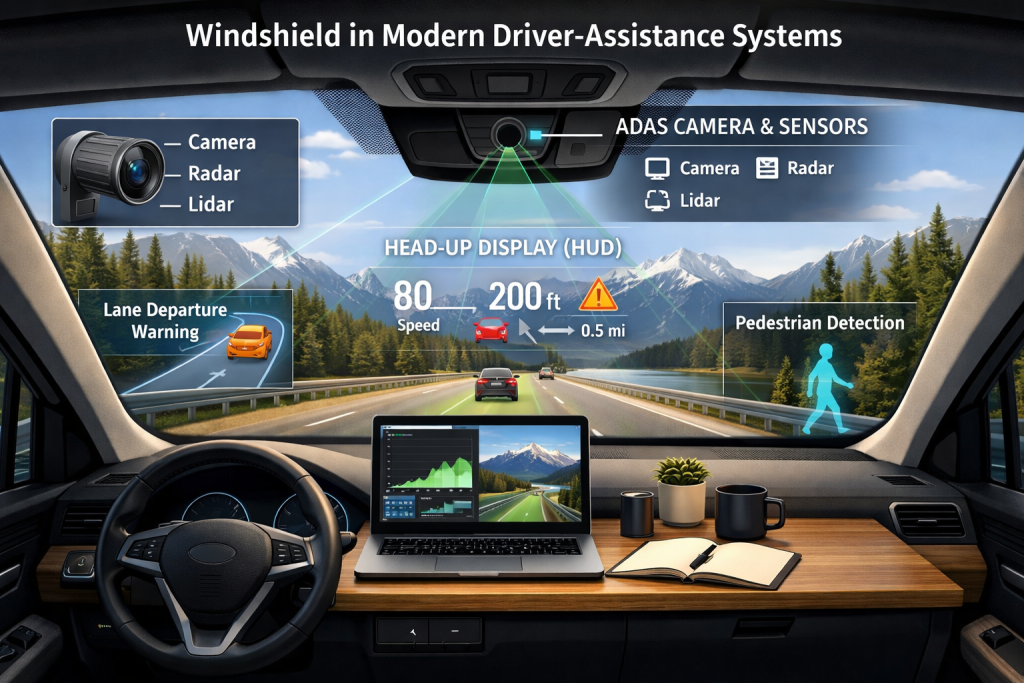
ADAS stands for Advanced Driver Assistance Systems. Basically every tech feature in your car designed to help prevent crashes and keep you safer.
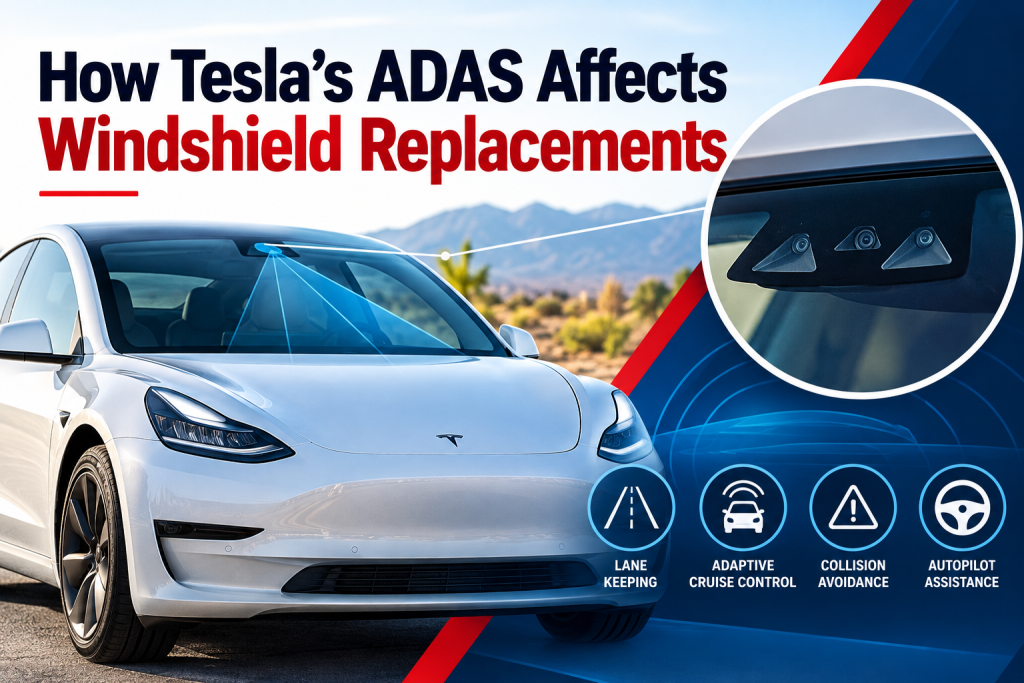
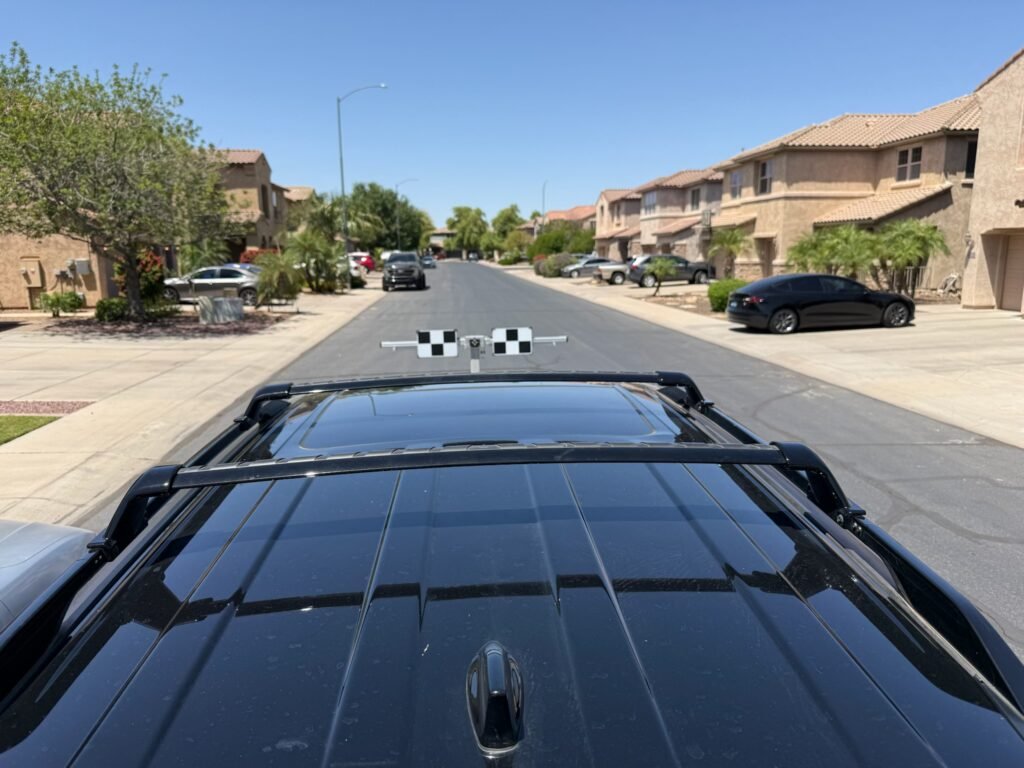
The camera behind your rearview mirror handles most of this work. It watches everything constantly while you drive. Never takes breaks. Never gets distracted. Just monitors the road second after second.
- That camera tracks lane markings on both sides of your vehicle. It knows where your car sits relative to those lines. When you start drifting toward a line without your turn signal on, the lane departure warning beeps at you. When you drift too far, the lane keeping assist gently steers you back toward the center.
- The camera watches vehicles ahead of you. It measures exactly how far away they are and how fast the gap closes or opens. When you get too close too fast, forward collision warning screams at you. When a crash is about to happen and you are not reacting, automatic emergency braking slams the brakes without you touching anything.
- The camera reads your speed and compares it to the vehicle ahead. Adaptive cruise control uses this to maintain whatever following distance you set. The system speeds up and slows down automatically to keep that gap consistent without you touching the pedals.
- The camera reads traffic signs as you pass them. Speed limits. Construction zones. School zones. It displays this info on your dashboard so you always know current restrictions without taking your eyes off the road to read signs.
According to the National Highway Traffic Safety Administration, properly functioning ADAS features prevent approximately 40% of crashes that would otherwise occur, saving an estimated 15,000 lives annually when all vehicles on the road have working systems.
All of these features depend entirely on the camera seeing the road from exactly the right angle. When the camera angle is correct, the system makes accurate calculations about distances, speeds, and positions. When the angle is off even slightly, every calculation becomes wrong.
What actually goes wrong with uncalibrated sensors
Driving with uncalibrated ADAS does not make your car suddenly break down or refuse to start. The problems are way more subtle and way more dangerous because of that subtlety.
Your car feels totally normal. Everything looks fine on the surface. The safety systems still activate and make sounds and show lights on the dash. You have no obvious reason to think anything is wrong.
But underneath the normal appearance, those systems are making decisions based on incorrect information. And those bad decisions create real danger.
- Lane departure warnings go off at completely wrong times. The camera thinks you are drifting toward the left line when you are actually centered perfectly in your lane. The warning beeps constantly even though you are doing nothing wrong. So you learn to ignore it. You tune it out as background noise. Then one day you actually do start drifting and you miss the warning because you trained yourself to ignore all the false alarms.
- Or the opposite happens. The camera cannot see the lane markings correctly from its shifted angle. It stays silent when you genuinely drift out of your lane. You count on the warning to alert you, but it never comes. You drift into another lane without realizing it until you hear horns or worse.
- Automatic emergency braking becomes unpredictable. The camera calculates distance wrong because it views the road from an incorrect angle. It thinks the car ahead is closer than it really is. Suddenly your brakes slam on for no reason while you are driving 65 on the highway. The person behind you barely stops in time. You almost caused a pileup because your safety system activated incorrectly.
- Or again, the opposite. The camera thinks you have more distance than you actually do. A real emergency happens. The car ahead stops suddenly. Your automatic braking should kick in but stays silent. It fails to activate because the camera’s bad data says everything is fine when it is not. You slam into the vehicle ahead at full speed. The feature designed to prevent rear-end crashes just failed to do its one job.
- Lane keeping assist steers you the wrong direction. This one is genuinely scary. The camera thinks your car sits in a different position than it actually does. It tries to correct you back to center. But its idea of center is wrong. So it steers you toward the lane line instead of away from it. You fight the steering wheel wondering why your car is actively trying to leave your lane.
- Adaptive cruise maintains wrong following distances. The camera calculates distance incorrectly. Your car either crowds the vehicle ahead dangerously close, or it leaves massive gaps that make other drivers constantly cut in front of you. Either way the feature becomes useless and potentially dangerous.
Research published in the Journal of Safety Research found that vehicles with misaligned ADAS cameras showed automatic emergency braking failure rates above 40% in controlled test scenarios, compared to less than 2% failure rates for properly calibrated systems.
The terrifying part about all of this is how normal everything feels until something goes wrong. You drive for days or weeks with uncalibrated ADAS sensors. Nothing bad happens. You start thinking maybe calibration does not really matter.
Then one day you need automatic braking in a genuine emergency. And it fails. Or it activates incorrectly and causes the emergency. Either way, the outcome is bad.
Why people think uncalibrated sensors are fine
Lots of people drive around with uncalibrated ADAS for months without realizing anything is wrong. This creates a false sense that calibration does not really matter.
Several reasons explain why people miss the warning signs.
- Dashboard warning lights do not always appear immediately. Modern cars run constant self-checks on their systems. But those checks look for complete system failures, not subtle misalignment. The car knows the camera is connected and turned on. It does not always detect that the camera angle is slightly off. So no warning light appears even though the system is not working correctly.
- The false activations happen randomly at first. Your lane warning beeps once when you are driving straight. Weird, but whatever. It does not happen again for three days. Easy to dismiss as a glitch. You do not connect it to your recent windshield replacement because the shop never mentioned calibration.
- People adapt to the incorrect behavior. Your adaptive cruise leaves bigger gaps than before. You just assume that is how it works now. Maybe an update changed the settings. You do not realize the camera is calculating distance wrong. You adapted to the problem instead of recognizing it as a problem.
- Some features fail silently. Traffic sign recognition just stops showing speed limits. You figure maybe the feature stopped working and you make a mental note to ask about it eventually. You do not realize the camera cannot read signs from its new angle. You do not connect it to uncalibrated sensors because again, nobody told you calibration matters.
- Most people do not understand what ADAS is or how it works. They know their car has some safety features. They do not know how those features connect to the windshield camera. They definitely do not know windshield replacement requires recalibration. The knowledge gap is massive.
Data from AAA shows that only 32% of drivers understand that windshield replacement affects ADAS functionality, and fewer than 20% know that recalibration is required after glass work.
All of these factors combine to create situations where people drive with dangerously uncalibrated systems without realizing it. They think everything is fine because nothing obviously broke. But safe and appearing safe are completely different things.
Premiere Auto Glass has talked to countless customers who drove for months with uncalibrated ADAS after getting glass work elsewhere. Once proper calibration happens, they always say the same thing. They had no idea how wrong everything was until they experienced how it should actually work.
The legal question nobody thinks about
Beyond the pure safety issues, driving with uncalibrated ADAS creates potential legal problems most people never consider.
- Insurance companies can deny claims. Some insurance policies have specific language about maintaining vehicle safety systems in proper working condition. If you have an accident and the insurance company discovers your ADAS was never recalibrated after windshield work, they might deny your claim entirely. You violated the terms by not maintaining required safety equipment properly.
- You might face liability in accidents. Say your uncalibrated automatic braking fails to activate and you rear-end someone. The other driver’s attorney subpoenas your vehicle service records. They discover you had windshield work done three months ago without ADAS recalibration. Now they argue you were negligent by driving with known faulty safety systems. Your liability just increased significantly.
- Some states are adding ADAS checks to inspections. Vehicle safety inspections in states like Texas and New York are starting to include basic ADAS functionality checks. If your systems do not work correctly due to uncalibrated sensors, your vehicle can fail inspection. That means no registration renewal until you fix it.
- Manufacturers can void warranties. Some vehicle warranties specifically require following proper service procedures including ADAS recalibration after any work affecting sensors. Skip calibration and you potentially void warranty coverage on related systems.
These legal and financial risks stack on top of the safety risks. Driving with uncalibrated ADAS exposes you to way more than just accident potential.
So can you drive safely without calibrated ADAS sensors?
The direct answer to the title question is no. You cannot drive safely with uncalibrated ADAS sensors.
Can you physically drive? Yes. The car starts. It moves. It steers. Nothing prevents you from driving.
But safe means the vehicle operates as designed with all safety systems functioning correctly. Uncalibrated ADAS sensors mean your safety systems are not functioning correctly even when they appear to work.
You lose the protection those systems provide. Features designed to prevent crashes might fail to activate when needed. Worse, they might activate incorrectly and cause crashes they were designed to prevent.
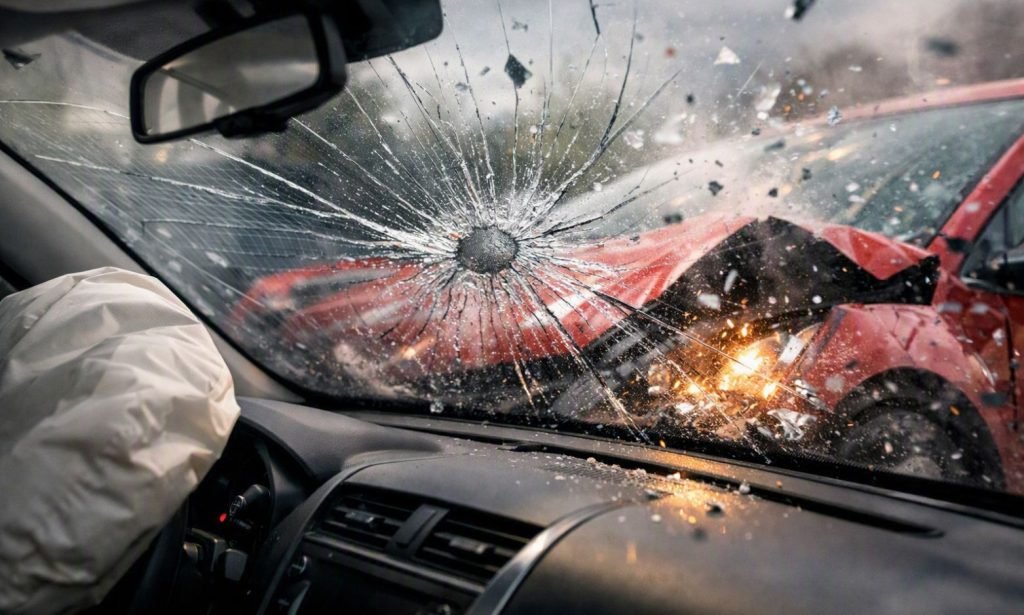
The risk is not theoretical. Real accidents happen because of uncalibrated ADAS. People get hurt. Vehicles get totaled. Legal problems arise. All because someone skipped a required calibration step.
Some people argue they drove for years without these features before ADAS existed, so they can drive fine with them not working. That argument misses the point completely. Once you have ADAS features, you subconsciously rely on them. You develop driving habits that assume those features will activate when needed. When they fail, you are not prepared because you trusted them to work.
Premiere Auto Glass treats ADAS calibration as absolutely mandatory, not optional. The equipment investment was substantial. Training techs takes ongoing time and money. But customer safety is not negotiable. Every windshield replacement on ADAS-equipped vehicles includes proper calibration.
What you should do right now
If you recently had windshield work done and nobody calibrated your ADAS, get it done immediately. Do not wait. Do not assume everything is fine because you have not noticed problems yet.
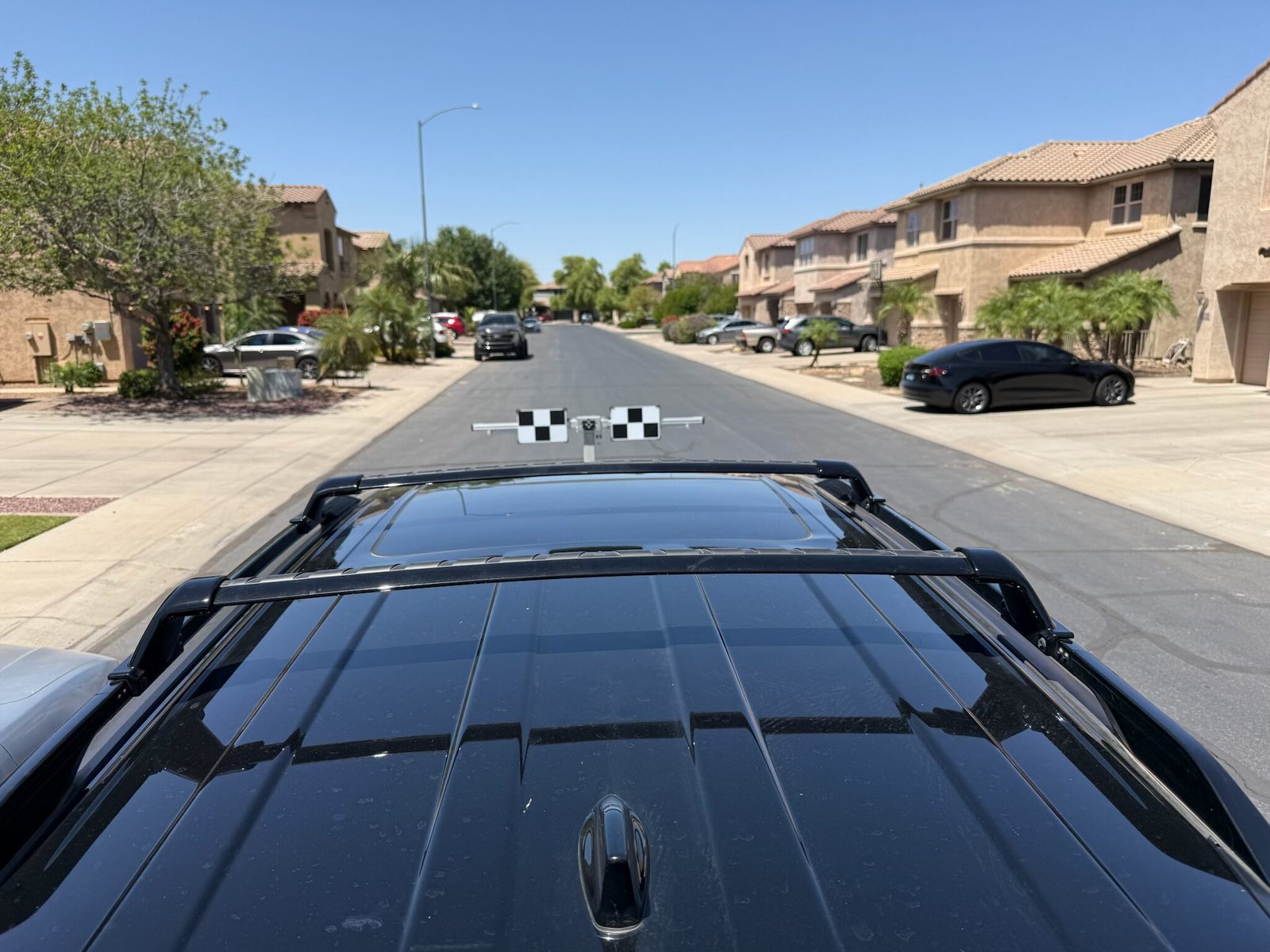
Call a shop that does ADAS calibration. Premiere Auto Glass offers standalone calibration services for customers who had glass work done elsewhere without proper recalibration.
Expect to pay between $150 and $350 for calibration depending on your vehicle and whether it needs static, dynamic, or both calibration types. Yes, that feels like extra cost on top of what you already paid for windshield work. But it is required cost that should have been included originally.
If you are about to get windshield work, ask specifically about ADAS calibration before booking. Make sure it is included in the quoted price. Get it in writing. Do not accept vague answers about maybe needing it or it being optional.
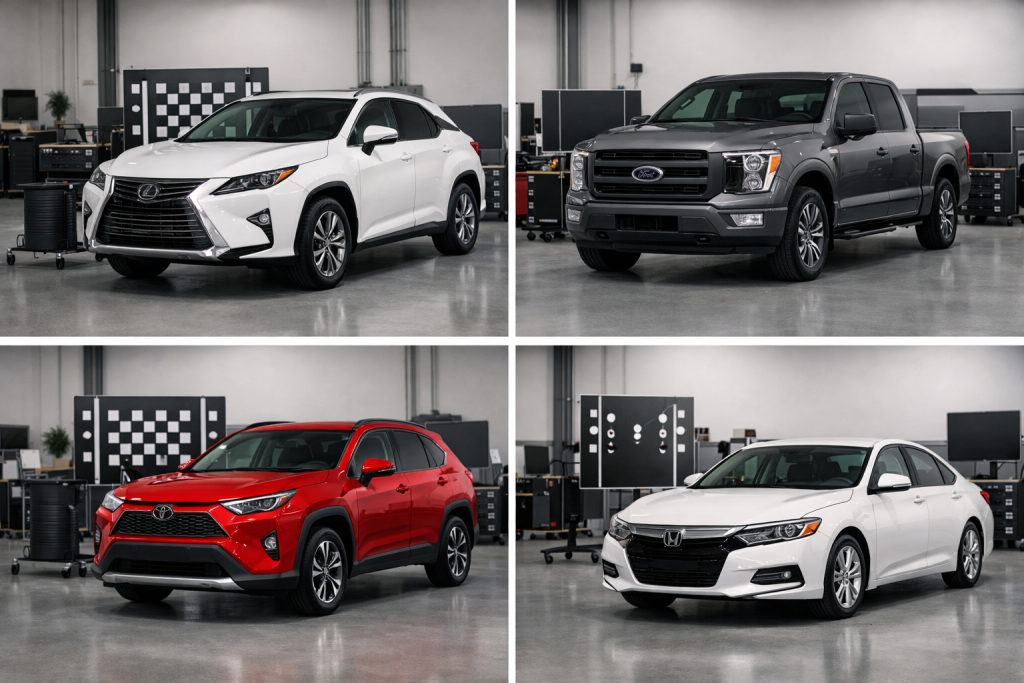
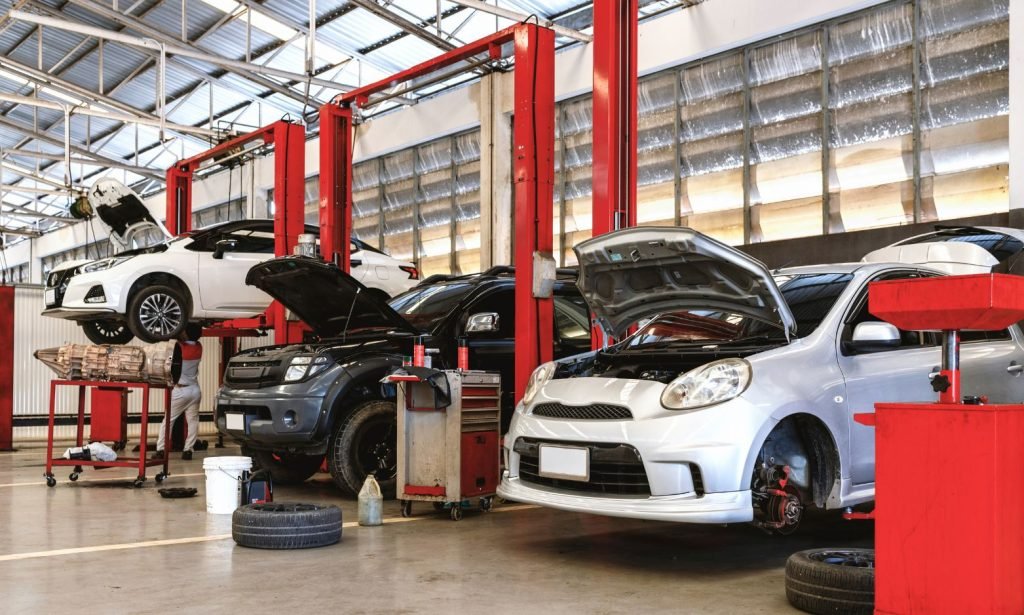
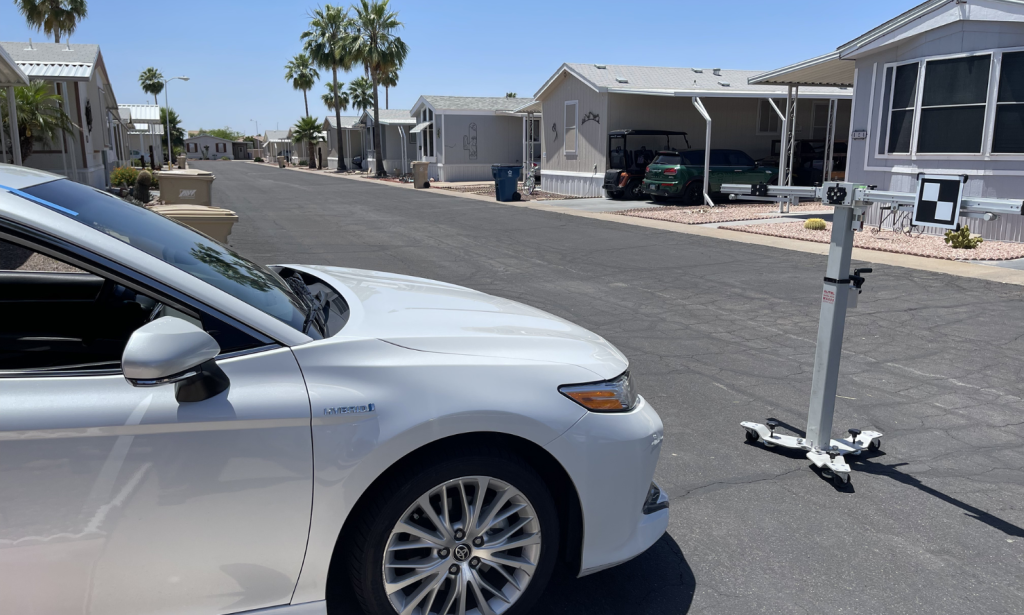
Choose shops that have proper calibration equipment and trained techs. Ask what equipment they use. Look for names like Opus IVS or Autel. These are legitimate calibration systems.
Verify they follow manufacturer-specific procedures for your exact vehicle. Generic calibration approaches do not work. Every make and model needs its own procedure followed precisely.
Get documentation after calibration showing the work met manufacturer standards. Keep this paperwork with your vehicle records. It protects you if insurance or legal questions ever arise.
Final answer on safety
Driving with uncalibrated ADAS is not safe. Period. The systems look like they work but actually function from incorrect data. They will fail when you need them most or activate incorrectly and create danger.
No amount of careful driving compensates for safety systems that do not work right. You cannot control when emergencies happen. You cannot predict when you will need automatic braking to prevent a crash. When that moment comes, you need working systems.
Get your ADAS calibrated if you skipped it. Do not skip it on future windshield work. Your safety and the safety of everyone around you depends on these systems functioning correctly.
Premiere Auto Glass will not let customers leave with uncalibrated ADAS after windshield work. The commitment to doing complete proper service includes calibration every single time. Schedule your windshield service or standalone calibration and know that every safety feature in your vehicle will work exactly the way it should when you need it most.
Questions about ADAS calibration and safety
- How long can I drive with uncalibrated ADAS before something bad happens? There is no safe timeframe. Problems can occur immediately or take months to show up. Every mile you drive with uncalibrated sensors increases risk. The first time you need automatic braking in a genuine emergency, it might fail. That could be tomorrow or next month. Do not gamble with safety. Get calibration done right away after any windshield work.
- Will my car warn me if ADAS sensors are not calibrated? Not reliably. Some vehicles show warning lights when calibration is off. Many do not trigger warnings because the system detects the camera is connected and powered on. It does not always detect the alignment is wrong. Do not wait for a warning light. If you had windshield work without calibration, assume you need it regardless of whether warnings appeared.
- Can I just turn off ADAS features if they are not calibrated? Most vehicles do not let you permanently disable ADAS features. Some let you turn off specific features temporarily, but they reset to active when you restart the car. Even if you could disable them, why would you want to? These features prevent crashes. Get them calibrated and working correctly instead of driving without them. Premiere Auto Glass can get your systems working right quickly.
- Is it safe to drive to the shop for calibration with uncalibrated ADAS? Drive cautiously. Avoid highways if possible. Give extra following distance. Do not rely on automatic braking or adaptive cruise. Pay extra attention to lane position. Basically drive like the safety features do not exist until you get them calibrated. Schedule calibration as soon as possible to minimize driving time with uncalibrated systems.
- What if I cannot afford ADAS calibration right now? Calibration is not optional. It is required for safe vehicle operation. Many insurance policies cover calibration as part of windshield replacement with no deductible. Check your coverage before assuming you have to pay out of pocket. If you truly cannot afford it immediately, minimize driving until you can get it done. The safety risk and potential liability from accidents far exceeds the calibration cost.