


When it comes to Toyota windshield replacement, precision, safety, and expertise are critical. Toyota vehicles are engineered with advanced safety systems, durable materials, and modern technology, which means replacing a windshield is no longer a basic glass job—it is a technical process that directly impacts driver safety. A properly executed Toyota windshield replacement ensures structural integrity, maintains visibility, and keeps advanced safety systems functioning exactly as designed.
Toyota is one of the most widely driven automotive brands in the United States, known for reliability, longevity, and innovation. From compact sedans to hybrid SUVs and trucks, Toyota vehicles require specialized attention when it comes to auto glass services. Understanding the type of windshield used in Toyota vehicles, along with the integration of ADAS systems, is essential for delivering a high-quality replacement.
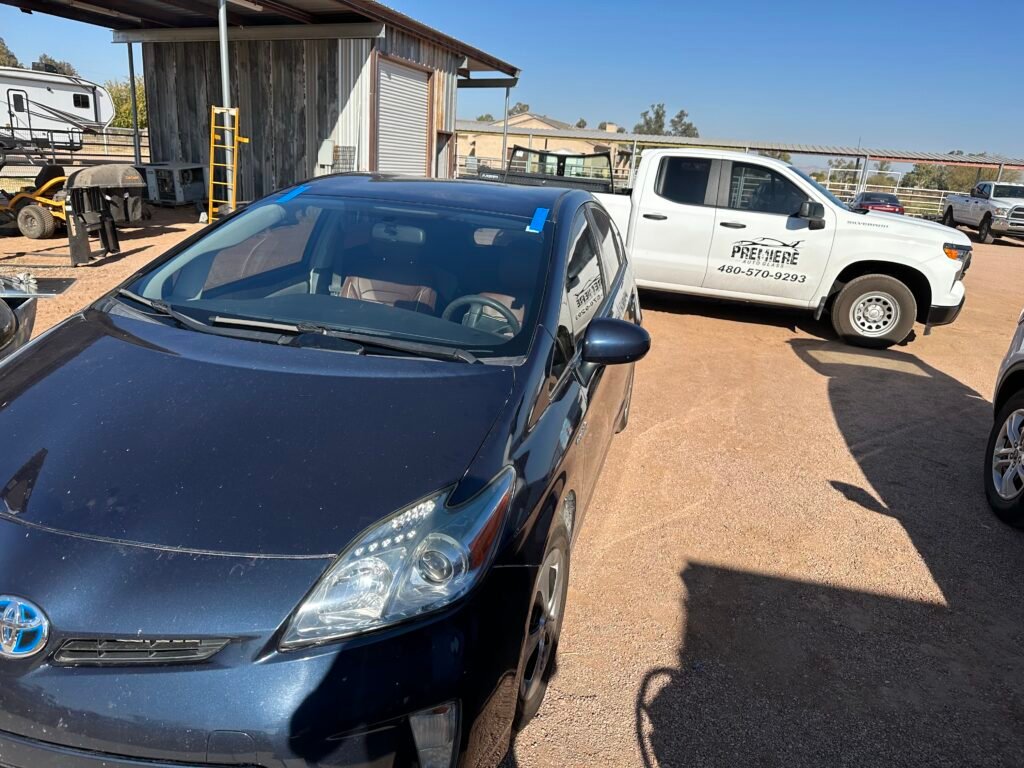
Toyota manufactures a wide range of vehicles in America, and many of them are among the best-selling models in their categories. Common models include:
Each of these vehicles has unique windshield specifications based on size, curvature, and embedded technology. This means Toyota windshield replacement is not a one-size-fits-all process.


Toyota vehicles typically use laminated safety glass, which consists of two layers of glass with a protective interlayer. This design:
Modern Toyota windshields often include:
Because of these features, Toyota windshield replacement must be handled with precision to ensure all embedded components function correctly after installation.
A proper Toyota windshield replacement involves more than removing and installing glass. The process includes:
The adhesive used plays a crucial role. It must cure properly to:
Safe drive-away time is critical after Toyota windshield replacement, as the adhesive needs time to fully bond under temperature-controlled conditions.
When performing Toyota windshield replacement, there are two primary options:
OEM (Original Equipment Manufacturer) Glass
Aftermarket Glass
For vehicles with ADAS features, OEM glass is often recommended to ensure proper calibration and system accuracy.


Most modern Toyota vehicles are equipped with Toyota Safety Sense, which includes:
These systems rely on cameras mounted behind the windshield. After Toyota windshield replacement, these cameras must be recalibrated.
Without proper calibration:
This is why ADAS calibration is a required step in many Toyota windshield replacement services.
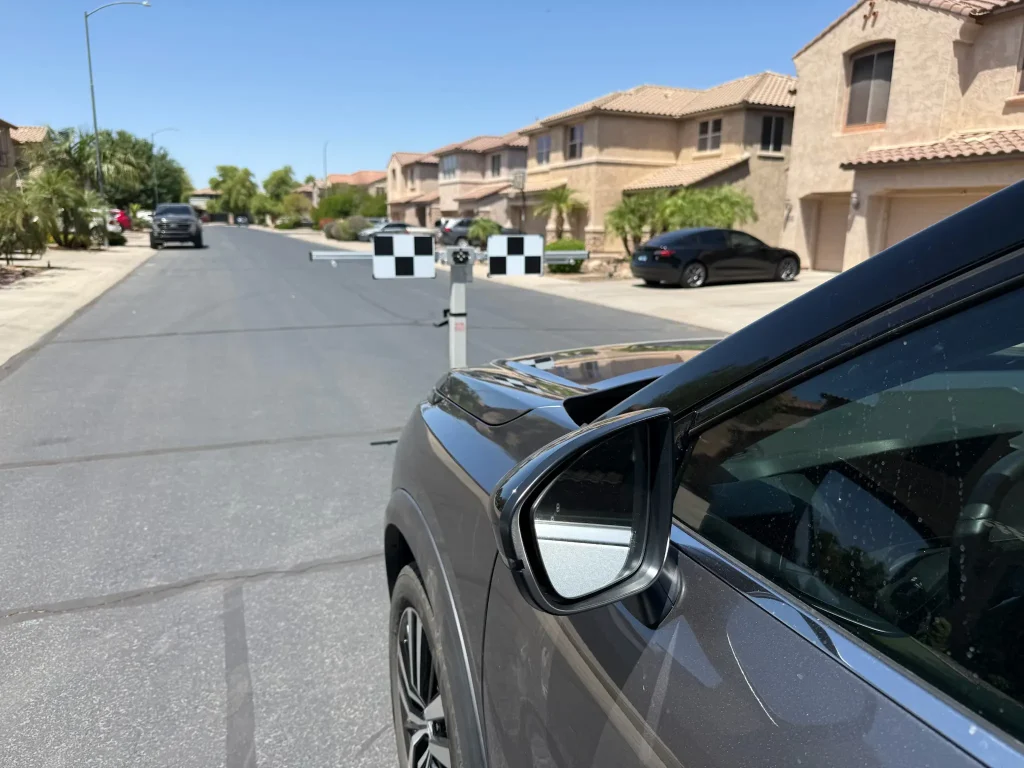
Toyota windshield replacement often requires one of two calibration methods:
Static Calibration
Dynamic Calibration
Some Toyota models require both methods to ensure full system functionality after windshield replacement.
On-Site Service for Toyota Owners
Modern drivers expect convenience. Mobile Toyota windshield replacement allows technicians to:
Fully equipped mobile units can handle:
This makes Toyota windshield replacement faster and more efficient while maintaining professional standards.


Toyota vehicles are built with precision engineering. Replacing the windshield without proper knowledge can lead to:
Choosing experienced professionals ensures that Toyota windshield replacement is done correctly the first time, protecting both the vehicle and its occupants.
Toyota vehicles, like all others, are exposed to everyday driving risks. Common causes of damage include:
Even a small chip can spread quickly, especially in extreme heat conditions. Timely Toyota windshield replacement prevents further damage and ensures continued safety.
You should consider Toyota windshield replacement if:
Driving with a compromised windshield can reduce structural integrity and increase safety risks.
Toyota continues to integrate more advanced technology into its vehicles each year. From hybrid systems to camera-based safety features, every component relies on precision alignment and proper installation.
Toyota windshield replacement is no longer just about glass—it is about:
A detailed, technically accurate approach ensures that your Toyota performs exactly as intended after replacement.

A high-quality Toyota windshield replacement ensures more than just clear visibility. It protects passengers, supports advanced safety features, and maintains the integrity of the vehicle.
With modern Toyota vehicles relying heavily on ADAS technology, professional installation and calibration are essential. Whether you drive a Camry, RAV4, Tacoma, or Prius, choosing the right approach to Toyota windshield replacement ensures long-term safety, reliability, and performance.