
Quick Summary: What This Blog Covers
This blog explains the essential steps to follow after a windshield replacement, including curing time, avoiding pressure, water exposure, and temperature extremes. It also highlights common mistakes that can weaken the adhesive bond and helps drivers protect their new windshield for long term safety and performance.
Introduction
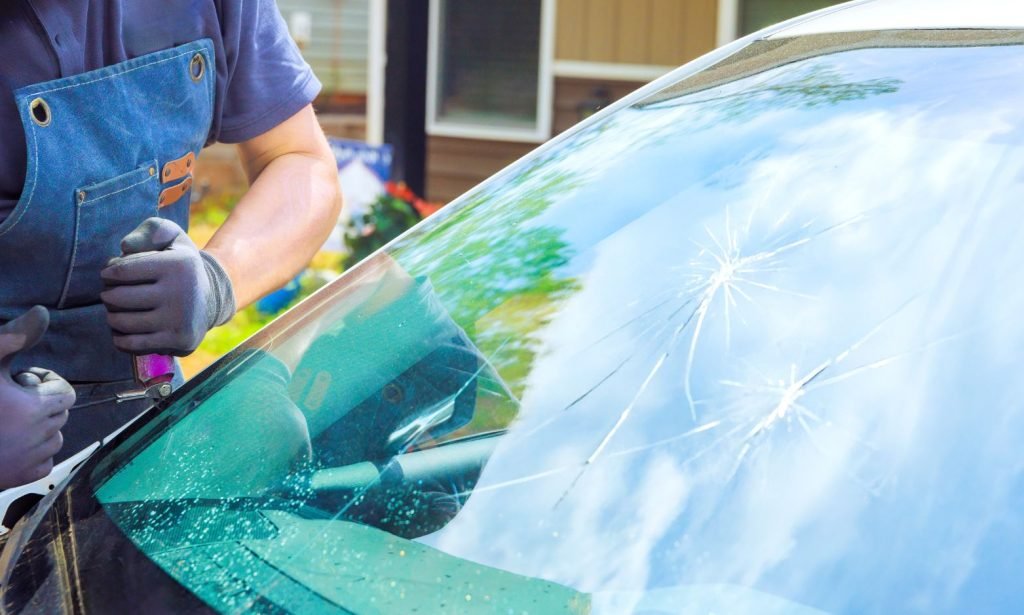
You just got your windshield replaced. It looks perfect. Crystal clear. Shiny new glass. No cracks. No chips. Just beautiful fresh glass protecting you from the road ahead.
Now comes the part nobody really thinks about. What you do in the hours and days after the replacement actually matters way more than most people realize. The glass itself is fine. But how you treat it right after installation can make or break how long it lasts and how well it performs.
Think of it like this. You just got a fresh tattoo. The artist did amazing work. But if you immediately jump in the pool or ignore aftercare instructions, that tattoo falls apart. Your windshield is similar. The installation was done perfectly. But what you do next determines whether it stays perfect or develops problems.
Premiere Auto Glass sees customers who damage fresh windshields constantly. Not from accidents. From not following simple post-replacement care instructions. People do things they think are totally harmless and end up creating expensive problems.
This guide walks you through exactly what to do and what to avoid after your windshield gets replaced. Follow this advice and your new glass will stay perfect for years. Ignore it and you might be making expensive mistakes without even realizing it.
The adhesive needs time to cure completely
Here’s the thing about your new windshield that most people don’t understand. The glass itself is ready to go instantly. But the adhesive bonding the glass to your car needs time to cure and harden fully.
Modern windshield adhesives are urethane based. They cure through a chemical reaction with moisture in the air. This curing process starts immediately but takes hours to complete. The adhesive reaches initial cure in about an hour. But full cure takes much longer.
Why you cannot drive immediately
Your tech probably told you not to drive for a certain amount of time. Maybe an hour. Maybe longer depending on conditions. You might have thought that was just being overly cautious. Actually it’s critical.
The adhesive is still soft when you first drive. The windshield can shift slightly in its frame during acceleration, braking, and turning. That shifting before the adhesive fully cures creates weak spots in the bond. Once the adhesive hardens with the glass in those shifted positions, the bond stays weak forever.
You end up with a windshield that looks fine but actually has compromised adhesive underneath. That weak bond might hold for months. Or it might fail suddenly during a hard stop or sharp turn. The worst part is you’ll never know it’s weak until something goes wrong.
Some adhesives need just one hour before driving. Others need two or three hours. A few specialty formulations need overnight curing before you should drive. Premiere Auto Glass tells every customer exactly how long to wait based on their specific windshield and the current weather conditions.
Temperature affects curing time
Cold weather makes adhesive cure slower. The chemical reaction that hardens the adhesive slows down in cold temperatures. You might need to wait twice as long in winter as you would in summer.
Hot weather speeds up curing but can create other problems. If adhesive cures too fast, the surface skin hardens while the underneath stays soft. That creates weak spots between hard outer layer and soft inner material. The adhesive never reaches full strength.
This is why your tech mentions weather. They’re not making conversation. They’re accounting for real chemistry affecting how your adhesive cures.
Keep water completely away from your windshield
Water and fresh windshield adhesive do not mix well. Water trapped in wet adhesive prevents proper curing. It creates weak spots and voids in the bond. It can cause the windshield to separate from the frame eventually.
Do not wash your car for at least a week after windshield replacement. Seriously. I know your car might look dusty and you want it clean. But washing it introduces water into the adhesive before it fully cures.
Even morning dew matters during the first 24 hours. If your car sits outside overnight with dew on the windshield, wipe it off gently with a soft cloth. Do not use the wipers. Wiper pressure on fresh adhesive can shift the windshield slightly.
Rain is actually okay as long as you avoid pressure
Here’s the weird part. Gentle rain is fine on fresh windshield adhesive. The small amount of moisture from rain actually helps the adhesive cure through the chemical reaction we talked about. It’s water pressure that causes problems, not gentle moisture.
Do not drive through car washes for at least a week. Do not blast your windshield with a pressure washer to clean bugs or dirt. Do not aim the hose directly at your windshield while washing the rest of your car. All of these apply pressure that can shift your fresh windshield before adhesive fully cures.
Light rain while driving at normal speeds is totally fine. Heavy rain creates more water pressure and is riskier but usually still okay. The concern is active pressure from washing, not passive water exposure from weather.
Let the defroster alone temporarily
Your defroster creates something interesting. It heats air that blows across your windshield. That heat accelerates adhesive curing, which sounds great. But it also creates rapid temperature changes on the glass surface. Those temperature changes can stress fresh adhesive.
Skip your defroster for at least 48 hours after windshield replacement. Seriously. I know it’s tempting to use the defroster if weather is cold. But give the adhesive time to harden fully first. After 48 hours, your adhesive is hard enough that defroster heat will not cause problems.
Do not mess with the trim or molding
Your windshield sits in a trim piece called the cowl. This trim holds the glass in place and creates the seal. The tech probably had to remove this trim to install your new windshield.
Do not pull on the trim. Do not poke at it. Do not try to adjust it or reseal it yourself. The trim is installed correctly. Messing with it introduces problems where none existed.
Sometimes trim looks like it has gaps or is not seated perfectly. Resist the urge to mess with it. Small gaps that look wrong to you are probably normal. Trust that the installation was done correctly.
Avoid opening your doors for the first hour
Opening car doors creates pressure changes that flexes the vehicle frame slightly. That frame flexing stresses your fresh windshield adhesive. Wait at least an hour before opening doors aggressively.
You can open and close doors gently and slowly. But do not slam doors. Do not open doors hard. Give the adhesive that first hour to reach initial cure strength.
This is another one that sounds weird but matters for the chemistry. Frame flexing and adhesive curing are interacting with each other. Let the adhesive win the first hour.
Window operation needs caution
Do not roll your windows down for at least 24 hours after windshield replacement. Seriously. Window operation creates pressure and air flow changes near the windshield seal. That air flow can stress fresh adhesive.
This seems like an overly cautious rule but it actually makes sense. The seal between your windshield and the frame is involved in how air moves near and around the windshield. Fresh adhesive holds that seal in place. Let it harden before you change air pressure around it.
After 24 hours you can roll windows down normally. The adhesive is hard enough by then to handle normal pressure changes.
According to technical guidance from Urethane Sealant Manufacturers Council, pressure and air flow changes during the first 24 hours after adhesive application create measurable stress on fresh bonds that can reduce final bond strength by up to 15% if not avoided.
Keep weight off your windshield frame
Do not put anything on your windshield. No sunshade resting against it from outside. No ice scraper hooked over the top frame. Nothing. Weight on your fresh windshield adds unnecessary stress to the adhesive.
This is temporary. After your adhesive fully cures, you can safely put normal things on your windshield. But for the first week, keep everything off it.
Also avoid leaning on your windshield from inside your car. That pressure stresses the adhesive unnecessarily.
Avoid automatic car washes
Automatic car washes with contact brushes put pressure on your windshield. The brushes hitting your glass creates stress. Combine that with water pressure and you’re adding unnecessary stress to fresh adhesive.
Skip automatic car washes for at least a week. Use touchless washes that only spray water, or hand wash your car. After a week your adhesive is hard enough to safely handle car wash pressure.
Climate control affects your windshield
Extreme temperature swings stress fresh adhesive. If you just got your windshield replaced on a hot day, do not blast the AC at full power aiming vents at the windshield. That creates rapid cooling that stresses the adhesive.
Similarly, if weather is cold, do not use maximum heat and defroster immediately. Let your car warm up gradually. Drive for a bit with gentle climate control before cranking the defroster to full power.
This is only for the first 24 to 48 hours. After that, your adhesive is tough enough to handle rapid temperature changes.
Premiere Auto Glass discusses weather considerations during your appointment so you know what to expect and how to treat your windshield based on current conditions.
What to do if you notice problems
Sometimes things go wrong despite careful post-replacement care. Maybe you notice a leak. Maybe the windshield sounds loose or rattle. Maybe something looks wrong.
Call Premiere Auto Glass immediately. Do not wait. Do not assume it will fix itself. Do not drive around with a problematic windshield hoping it gets better.
Adhesive issues caught early are fixable. Adhesive issues that sit for weeks create structural problems that require full replacement. Act fast if something seems off.
ADAS calibration timing matters
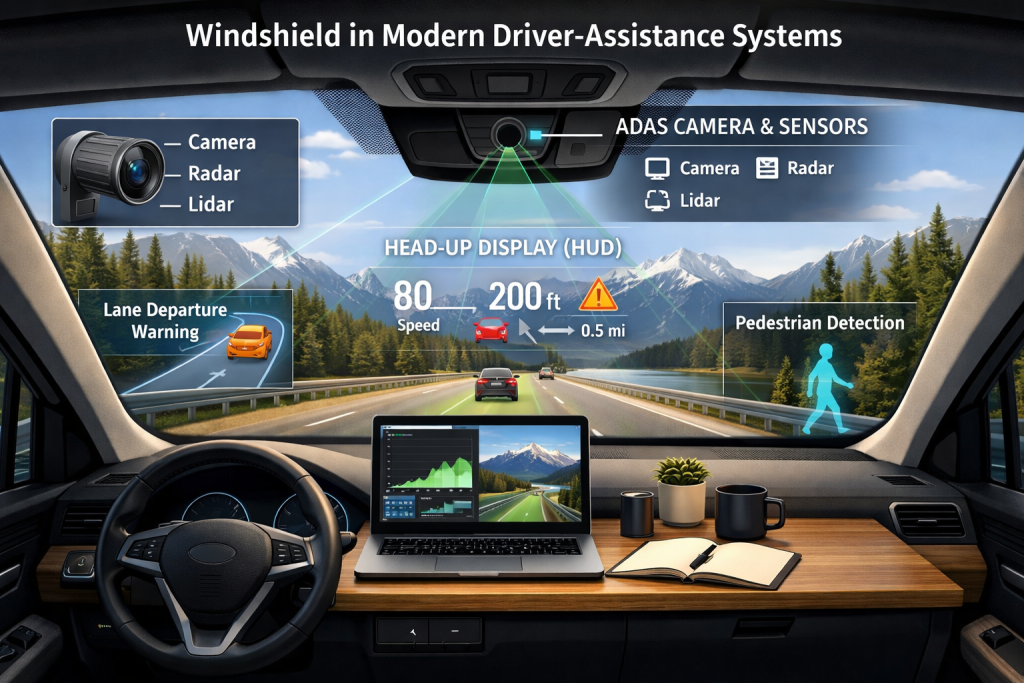
If your vehicle has ADAS sensors, calibration needs to happen after the adhesive fully cures. Wait at least 24 hours before scheduling calibration. The sensors are already calibrated to your fresh windshield angle. But you want to make sure everything is stable before running expensive calibration procedures.
Premiere Auto Glass coordinates ADAS calibration timing with your windshield cure schedule so everything aligns perfectly.
The first week is the critical window
Think of the first week after windshield replacement as the critical healing period. Like that fresh tattoo. During this time, your new windshield is vulnerable. After the first week, your adhesive has fully cured and your windshield is rock solid.
Follow these guidelines and your windshield will stay perfect for years. Ignore them and you risk creating expensive problems that could have been prevented with simple care.
Premiere Auto Glass gives every customer detailed post-replacement care instructions in writing. Keep those instructions. Refer back to them if you have questions about what you can and cannot do. The team is also always available if something seems wrong or if you’re unsure about something.
Your new windshield is an investment in your safety and your vehicle’s condition. Treat it right for the first week and it’ll last for years without problems. Schedule your windshield replacement with complete care instructions included and get answers to any questions about post-replacement care before you drive away.
Common questions about post-replacement windshield care
Can I drive in rain the day I get my windshield replaced?
Gentle rain is fine. Heavy rain with pressure is riskier but usually still okay. Avoid driving through car washes or pressure washers for at least a week. The adhesive cures with moisture in the air so some water actually helps. It’s pressure from washing equipment that causes problems, not light rain while driving.
What if I accidentally drove through a car wash right after replacement?
It probably fine. One car wash is unlikely to cause serious problems. But avoid repeating it. Wait at least a week before going through automatic car washes again. If you notice leaks or problems, call Premiere Auto Glass immediately so they can assess whether anything needs attention.
How long before my new windshield is completely safe?
Your windshield is safe to drive with immediately. The adhesive reaches initial cure in about an hour so driving is safe after waiting that time. Full cure takes 24 to 48 hours depending on conditions. After 48 hours, your windshield is completely hardened and tough enough to handle anything normal driving throws at it.
Can I use my defroster if it’s really cold after replacement?
Wait at least 48 hours before using your defroster heavily. If it’s very cold and you absolutely need heat, use low settings aimed away from the windshield. But honestly it’s better to wait. Defroster heat accelerates adhesive curing which sounds good but can create rapid temperature changes that stress fresh adhesive. After 48 hours, defroster use is totally fine.
What should I do if my new windshield seems to have a gap or leak?
Call Premiere Auto Glass right away. Do not wait. Do not assume it will seal itself. Most minor issues caught early are easy fixes. Issues that sit around become bigger problems. The team will evaluate what you’re seeing and determine if the windshield needs adjustment or if what you’re noticing is actually normal. Better to call and be wrong than to ignore a real problem.