
Quick Summary: What This Blog Covers
This blog explains the two main ADAS calibration types, static and dynamic, and how they keep modern vehicle safety systems accurate after windshield or sensor work. It also shows why calibration is essential for features like lane assist and emergency braking to function correctly.
Introduction
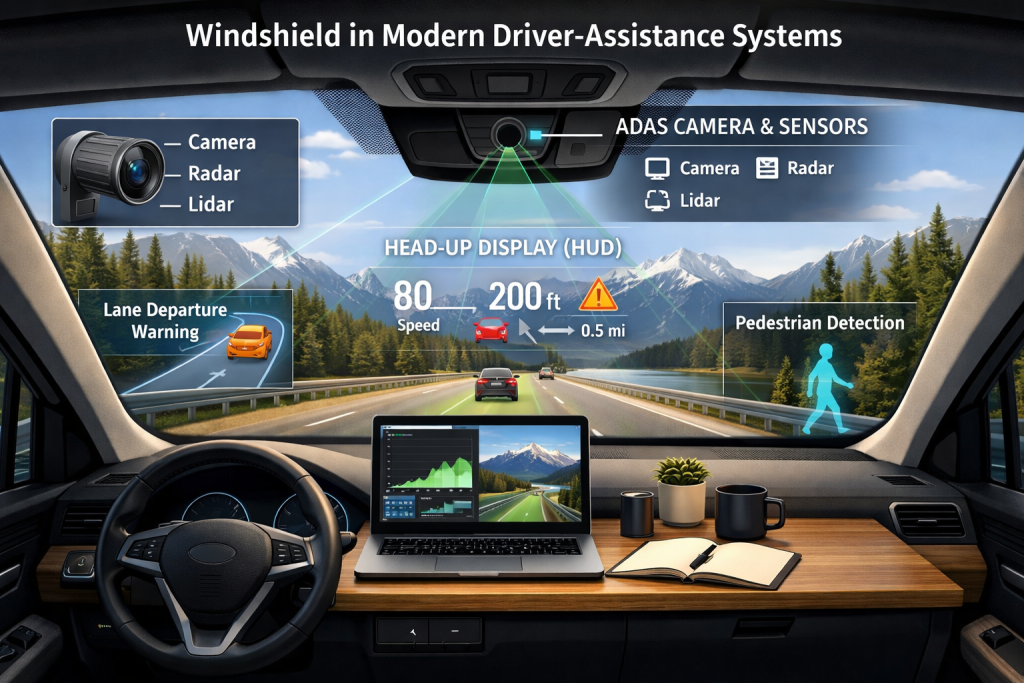
Modern cars don’t just drive. They think a little too. Advanced Driver Assistance Systems, or ADAS, help with features such as lane-keeping, emergency braking, adaptive cruise control, and collision warnings. These systems rely on cameras, radar, and sensors. But here is the part most drivers never think about. These systems must stay perfectly aligned to work correctly. Even a small windshield replacement can disturb that alignment. That is where calibration comes in. At Premiere Auto Glass, we see this every day. A customer replaces a windshield, drives away, and assumes everything is fine. But behind the scenes, the vehicle often needs ADAS calibration to restore accuracy. Without it, safety systems can give wrong signals or fail completely. There are two main methods used in the industry: static calibration and dynamic calibration. Both aim for the same result. They just get there in different ways. Let’s break them down in a simple, real-world way.
Why ADAS calibration even matters
Before comparing both types, it helps to understand why calibration exists at all. Your vehicle’s cameras and sensors sit behind or near the windshield. They watch the road, measure distance, and help your car react faster than you can. But these systems depend on exact positioning. If the camera angle shifts even slightly after:
- Windshield replacement
- Suspension work
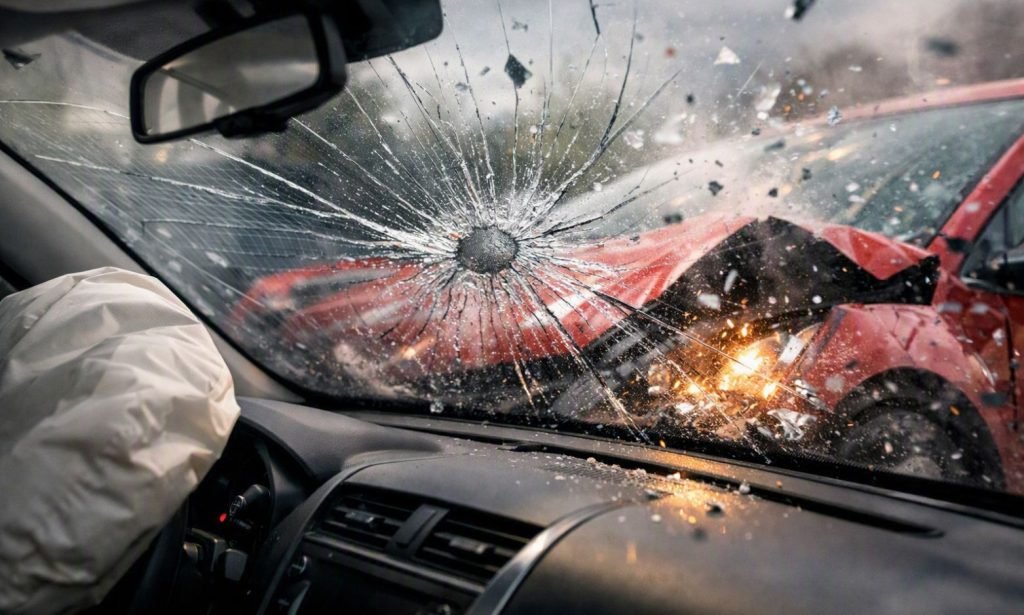
- Minor collisions
- Sensor removal
then the system no longer “sees” the road correctly.
That small shift can cause:
- False warnings
- Delayed braking
- Lane assist errors
- Cruise control misreads
This is why ADAS calibration types matter so much today. They keep safety systems accurate.
What is static ADAS calibration?
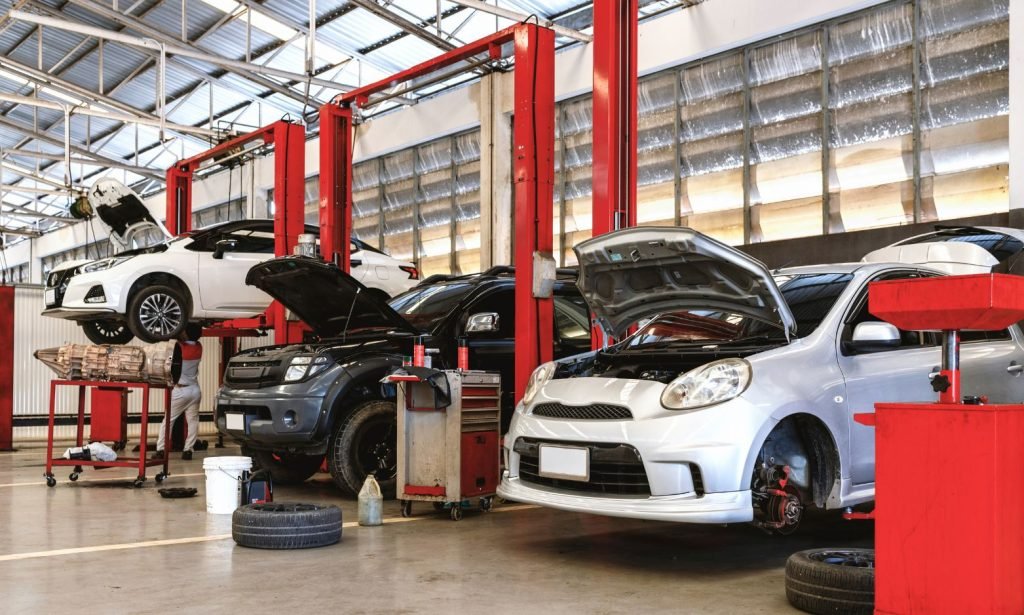
Static calibration happens inside a controlled workshop environment.
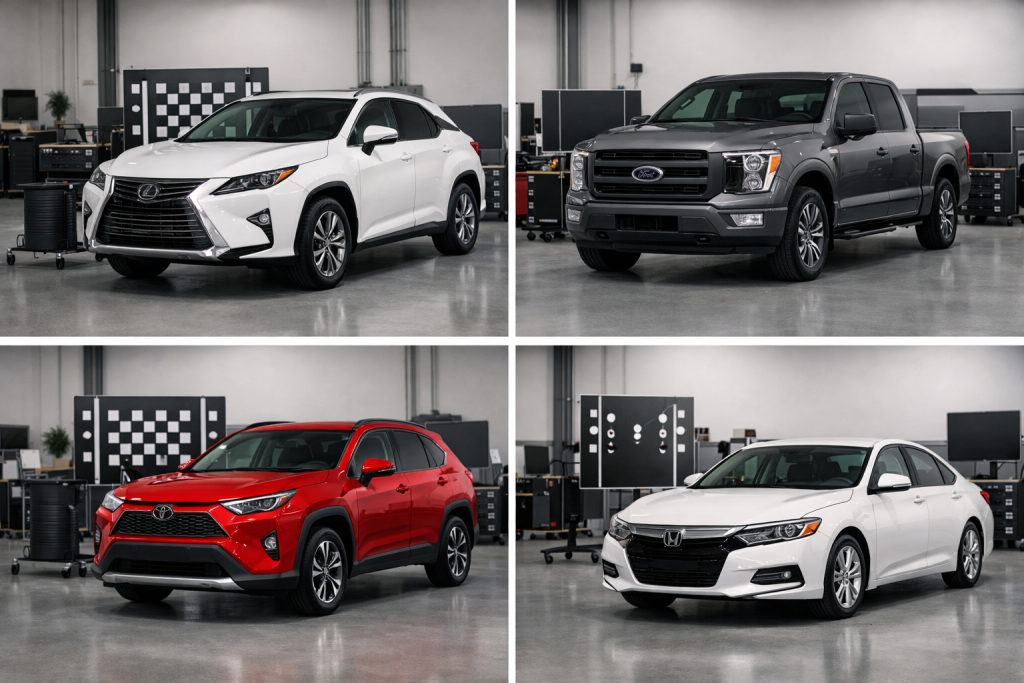
The vehicle does not move. Instead, technicians use special tools, targets, and software to reset and realign the sensors.
Think of it like teaching the car where everything is, while it stays parked.
How static calibration works
Technicians place boards or patterns at precise distances and angles in front of the vehicle. Then they connect diagnostic tools to the car’s computer system. The system reads those targets and adjusts the camera or sensor alignment based on strict factory settings. Everything happens in a controlled space, usually indoors.
When static calibration is used
Static calibration is often required when:
- A windshield-mounted camera gets replaced
- Radar sensors need precise alignment
- Vehicle manufacturer demands stationary calibration
- Accuracy needs to be extremely precise
Why static calibration matters
Static calibration gives very high accuracy. Since nothing moves, technicians can control every detail. It reduces guesswork. It also ensures the system matches factory standards. But it is not the only method.
What is dynamic ADAS calibration?
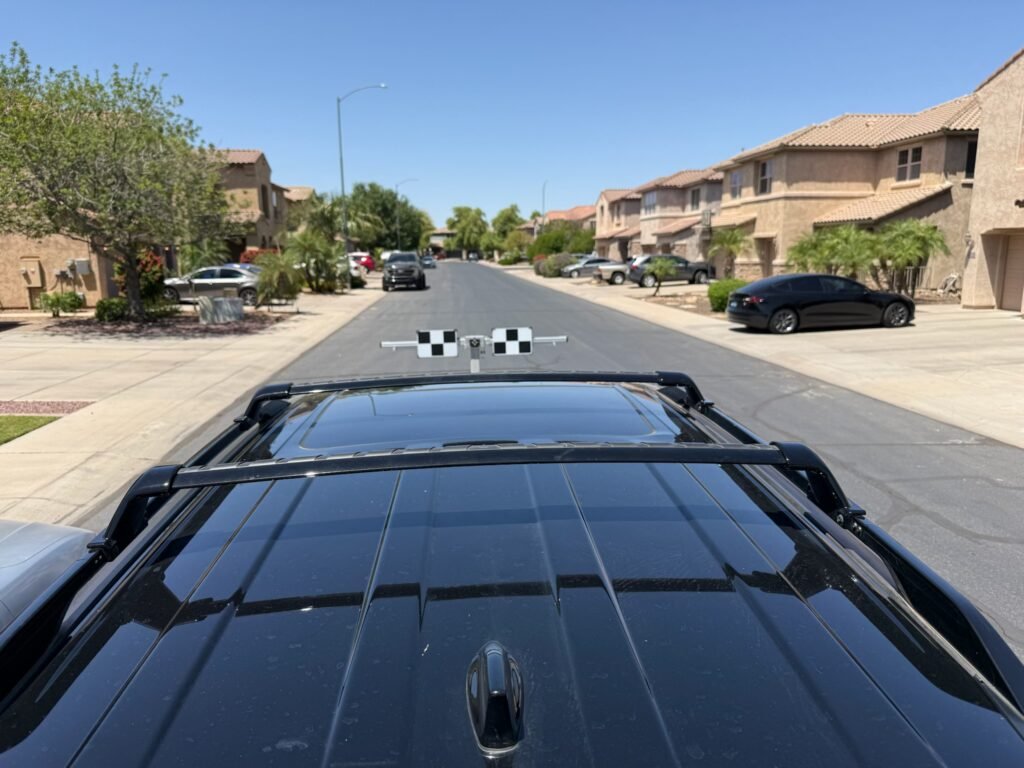
Dynamic calibration happens while the vehicle is driving. Instead of staying in a workshop, the car learns and adjusts on the road.
How dynamic calibration works
A technician connects the scan tool, then drives the vehicle on specific road conditions. The system collects real-time data from lane markings, traffic signs, and surrounding movement. As the car drives, it recalibrates itself based on what it “sees.”
When dynamic calibration is used
Dynamic calibration is common when:
- The system needs road-based learning
- Manufacturer requires driving conditions
- Cameras or sensors adjust through motion
- Calibration does not require static targets
Why dynamic calibration matters
Dynamic calibration reflects real-world driving conditions. Instead of a controlled setup, the system learns from actual roads, speed, and environment. It is flexible and often faster in some cases. But it also depends on road quality, weather, and driving conditions.
Static vs dynamic calibration: the real difference
Both methods do the same job. They just approach it differently. Here is a simple comparison:
Static calibration
- Happens in workshop
- Vehicle stays still
- Uses targets and tools
- Very precise environment
- Strong manufacturer control
Dynamic calibration
- Happens on the road
- Vehicle must be driven
- Uses real-world data
- Depends on road conditions
- Learns while driving
If we simplify it even more, Static calibration controls the environment. Dynamic calibration adapts to the environment. Both are part of modern ADAS calibration, and many vehicles require a combination of the two.
Which calibration method is better?
There is no single winner here. It depends on the vehicle and manufacturer requirements. Some cars need static calibration first, then dynamic driving afterward. Others only require one method. What matters most is accuracy. If the system is not calibrated correctly, safety features may fail or behave unpredictably. That is why professionals always follow OEM specifications instead of guessing. At Premiere Auto Glass, we always match the calibration method to the exact vehicle requirements, not convenience.
Why windshield replacement triggers ADAS calibration
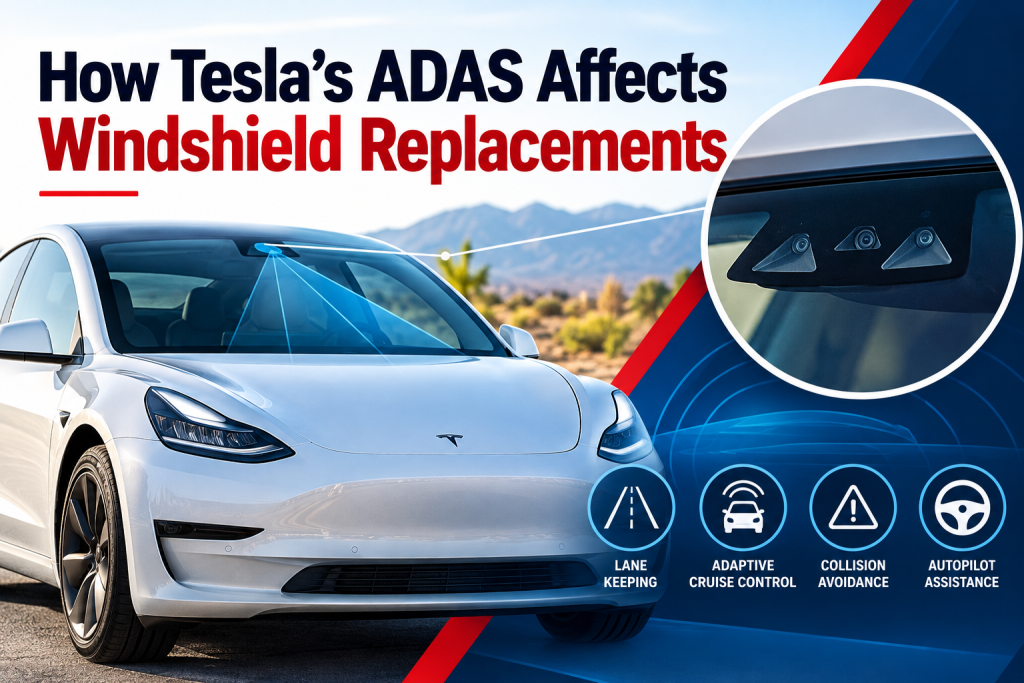
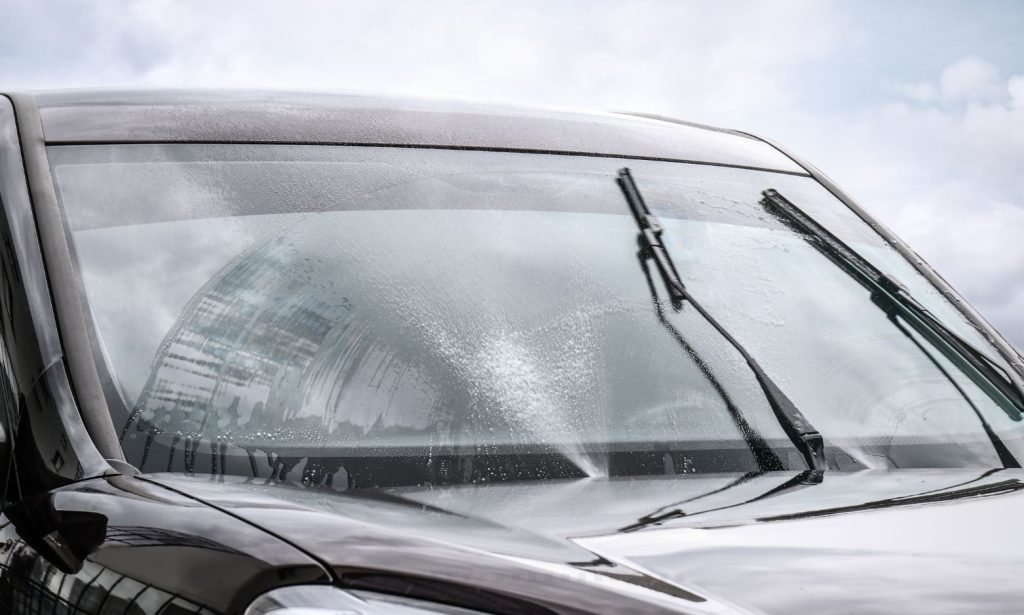
Many drivers are surprised when they hear this. They think windshield work is only about glass. But most modern windshields hold:
- Front cameras
- Rain sensors
- Lane assist sensors
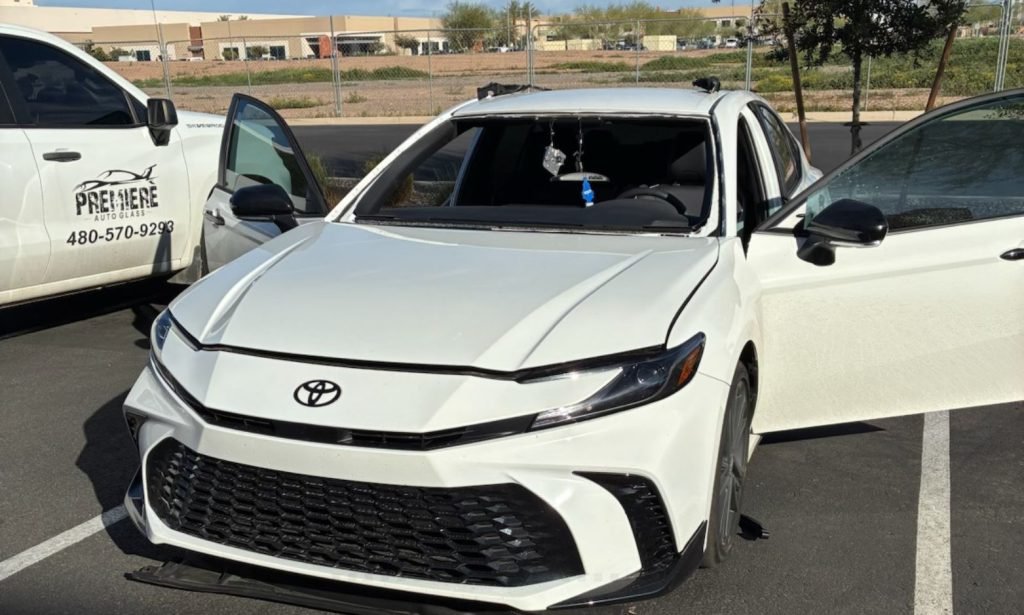
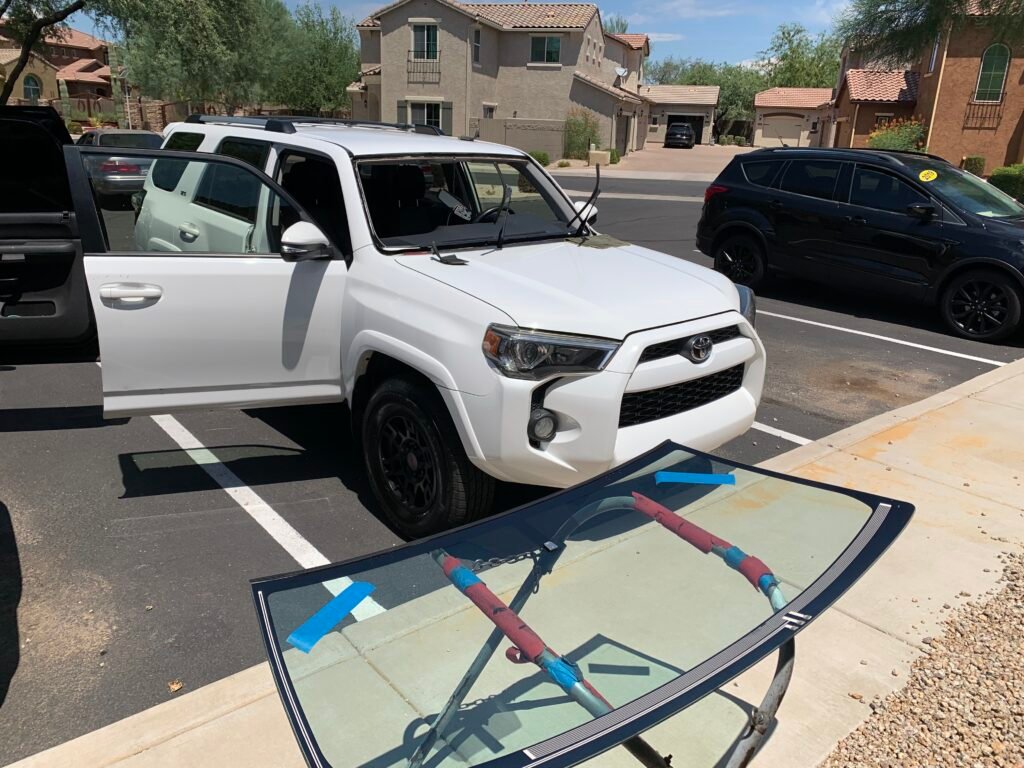
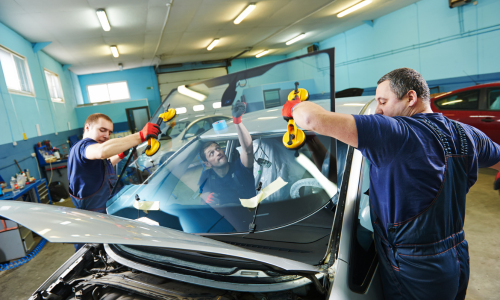
Even a small shift during installation can change the camera angle. That small angle shift affects how the system reads distance and lane position. So after replacement, calibration becomes necessary to restore accuracy. This is one of the biggest reasons ADAS calibration types have become a standard part of auto glass service.
What happens if calibration is skipped?
Skipping calibration may not show immediate problems. The car may still drive normally. But the risk stays hidden. Possible issues include:
- Lane assist drifting incorrectly
- Emergency braking misfires
- Cruise control distance errors
- Blind spot warnings acting late
These systems are designed to protect drivers. If they are off even slightly, the protection becomes unreliable. That is why most manufacturers now require calibration after windshield replacement.
How technicians decide between static and dynamic
Technicians don’t guess. They follow factory instructions based on:
- Vehicle make and model
- Camera type
- Sensor placement
- Software version
- OEM repair guidelines
Some vehicles require only static calibration. Others require only dynamic. Many require both in sequence. This decision is based on safety standards, not preference.
Why both methods exist in modern vehicles
Cars today are not simple machines anymore. They combine software, sensors, and real-world learning systems. Static calibration gives precision. Dynamic calibration gives real-world adaptation. Together, they ensure the system works both in controlled conditions and on real roads. That balance is important because driving is never perfectly controlled. Weather changes. Roads vary. Traffic shifts. Modern ADAS calibration types reflect that reality.
The future of ADAS calibration
As vehicles become more advanced, calibration will also evolve.
We are already seeing:
- Self-calibrating sensors
- AI-based camera adjustment
- Faster diagnostic systems
- Reduced manual setup time
But even with advanced automation, proper calibration will always matter. Safety systems depend on accuracy, and accuracy depends on correct setup.
Final thoughts
Static and dynamic calibration are not competing methods. There are two tools that solve the same problem in different ways.
Static calibration focuses on precision in a controlled space. Dynamic calibration focuses on learning from real driving conditions. Most modern vehicles rely on one or both methods to keep their safety systems functioning correctly.
At Premiere Auto Glass, we treat ADAS calibration as a critical safety step, not an optional add-on. After windshield replacement or sensor work, proper calibration ensures your vehicle sees the road the way it should.
If you want to understand how your vehicle handles calibration or need professional service, you can explore our auto glass calibration services for more details.
FAQs
1. What is ADAS calibration
It is the process of aligning cameras and sensors so safety systems work correctly.
2. When do I need ADAS calibration
You need it after windshield replacement, sensor work, or certain repairs.
3. What is the main difference between static and dynamic calibration
Static uses a fixed workshop setup, while dynamic uses real driving conditions.
4. Can a car need both calibration types
Yes, many modern vehicles require both for full accuracy.
5. Is ADAS calibration really necessary
Yes, it ensures safety systems like lane assist and emergency braking work properly.
Also Read:
-
Top vehicles requiring ADAS recalibration after glass replacement
-
Can you drive safely without calibrated ADAS sensors?
-
Cracked windshield? Why size, depth, and location matter
-
Mobile vs in-shop glass repairs: pros and cons
-
What is ADAS calibration and why it’s essential after windshield replacement