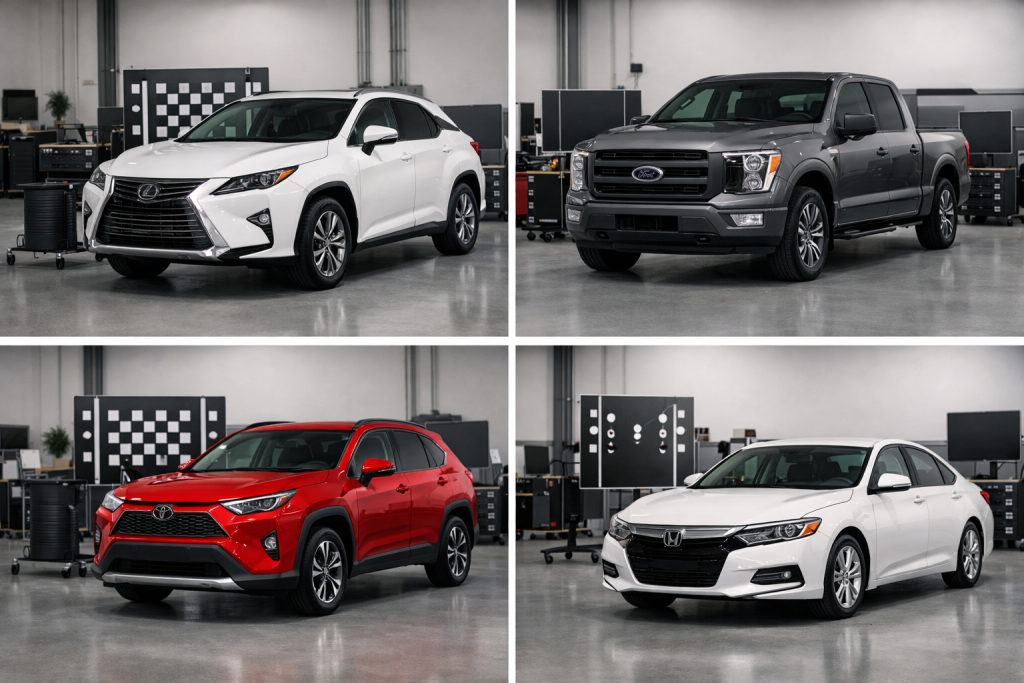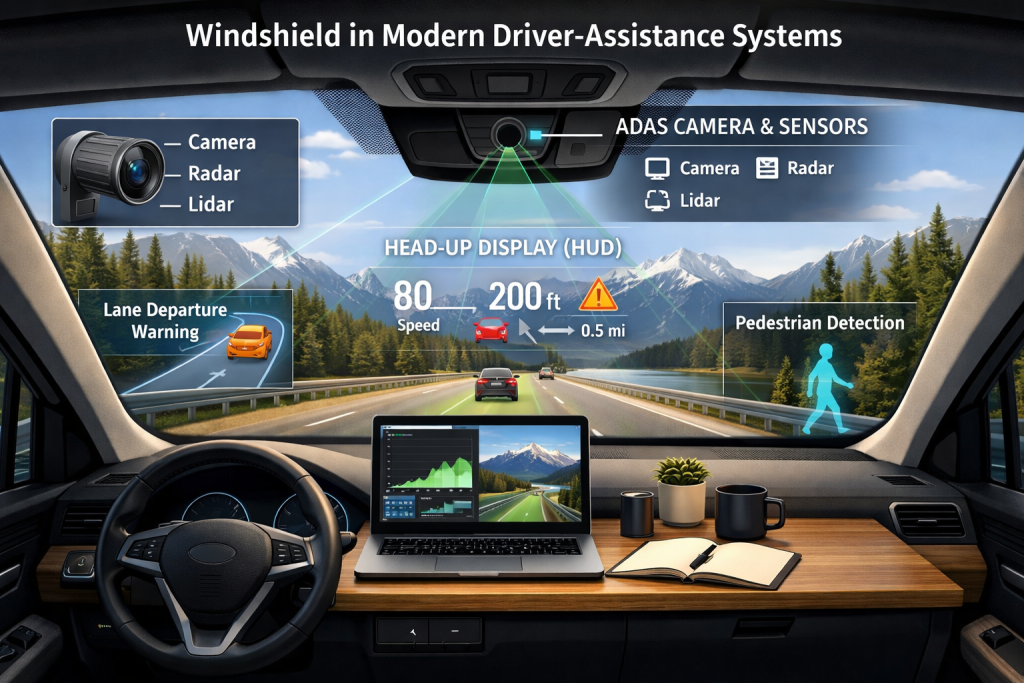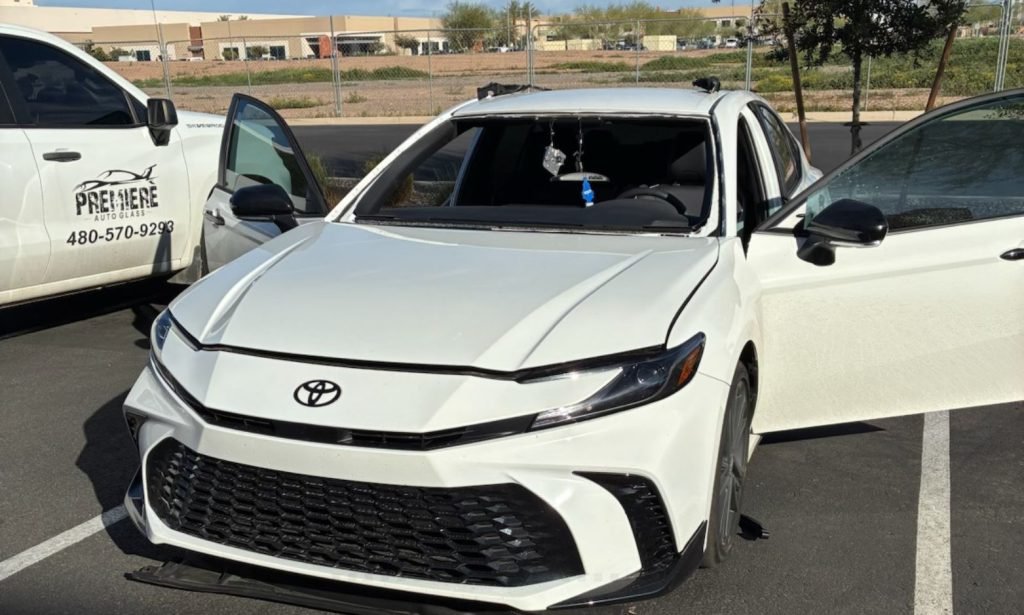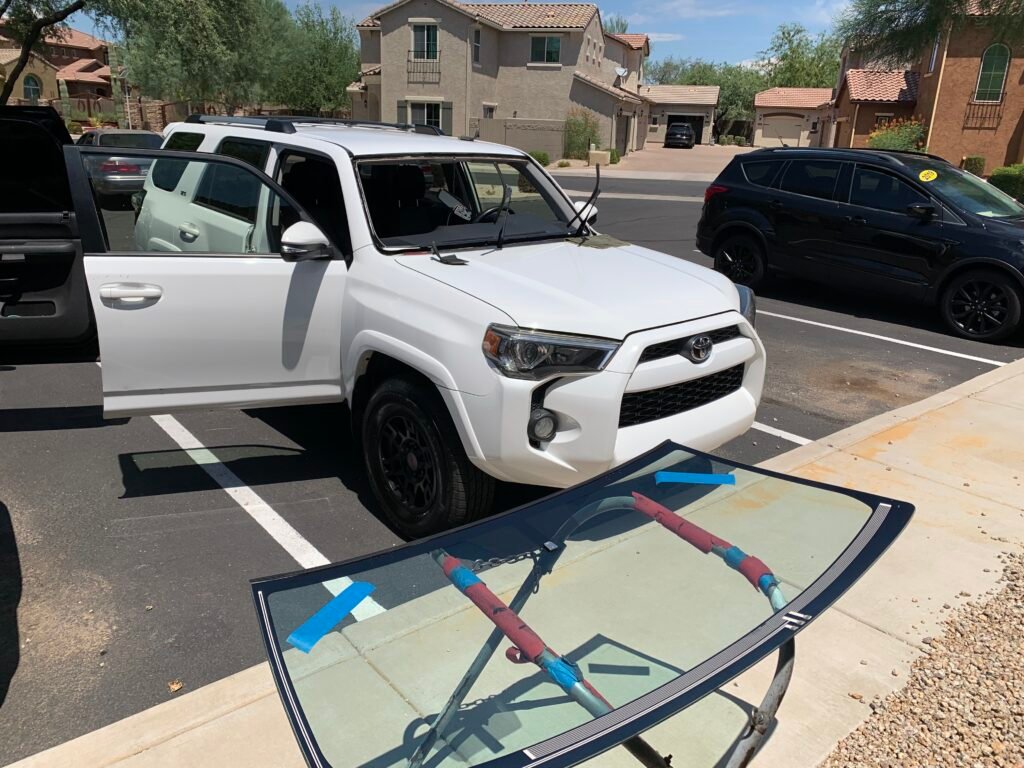

Quick Summary: What This Blog Covers
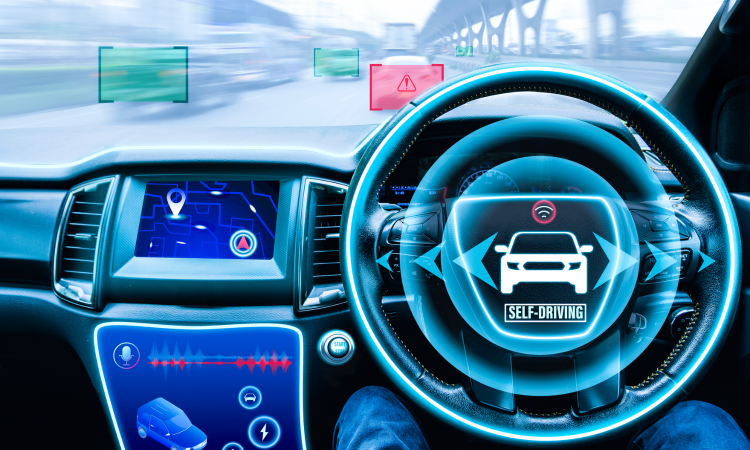
Learn which top vehicles requiring ADAS recalibration after glass replacement need this critical safety procedure and why it cannot be skipped. This guide explains brand-specific calibration requirements, the risks of improper recalibration, and how to ensure your advanced driver-assistance systems continue to perform safely after a windshield replacement.
Introduction
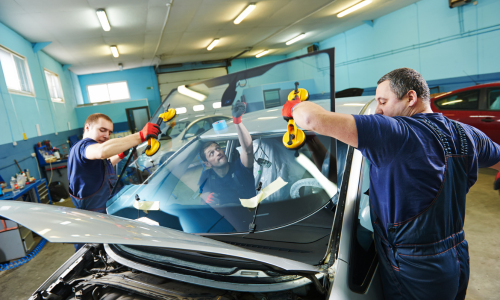
You just got your windshield replaced. The glass company finished the job. Everything looks great. You drive away feeling relieved that your windshield got fixed.
Then your lane keeping system starts acting weird. Your automatic braking activates randomly. Your adaptive cruise control cannot maintain proper distance. Something is definitely wrong.
The glass shop probably forgot to mention that your specific vehicle needs ADAS recalibration after windshield replacement. Not all vehicles need it. But certain brands and models absolutely require it. Skip the calibration and you are driving around with broken safety systems.
Most people have no idea which vehicles need ADAS recalibration. They just assume their windshield replacement is done and their car is fine. But specific vehicles have specific requirements. Some need static calibration. Some need dynamic calibration. Some need both. Some need specialized equipment and procedures unique to that brand.
Premiere Auto Glass knows exactly which vehicles require ADAS recalibration and what procedures each vehicle needs. The team has invested in the equipment and training to handle every major brand. But not every glass shop has this capability. Some shops just replace glass and hope for the best.
This guide walks you through the top vehicles requiring ADAS recalibration after glass replacement so you know whether your car needs it and understand why it matters.
Honda and Acura ADAS systems need both calibrations
Honda and Acura vehicles use Honda Sensing technology. This system includes lane keeping. Forward collision warning. Adaptive cruise control. All of it depends on the camera mounted to your windshield.
When you replace the windshield, that camera needs recalibration. Honda vehicles actually require both static and dynamic calibration to get everything working correctly again.
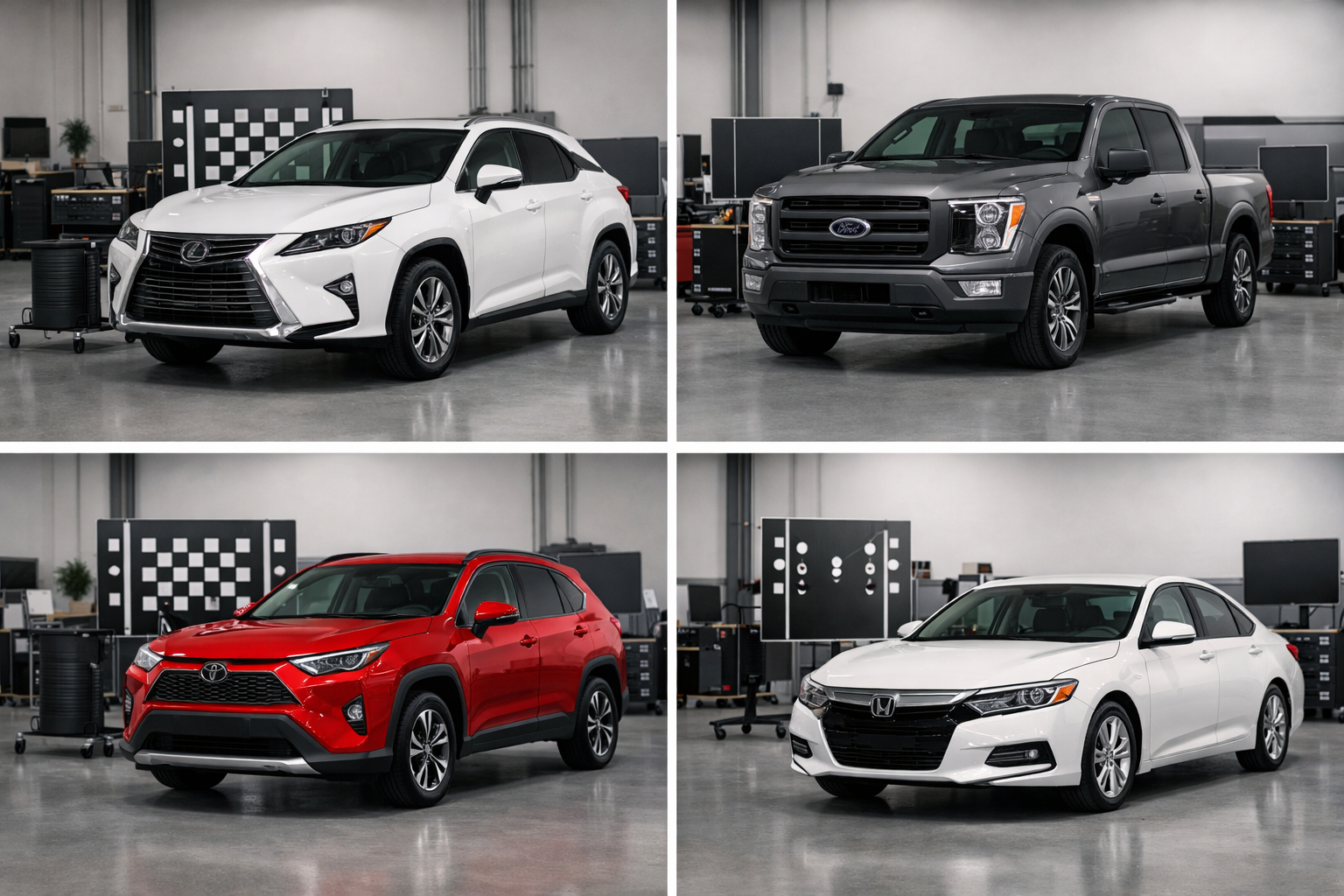
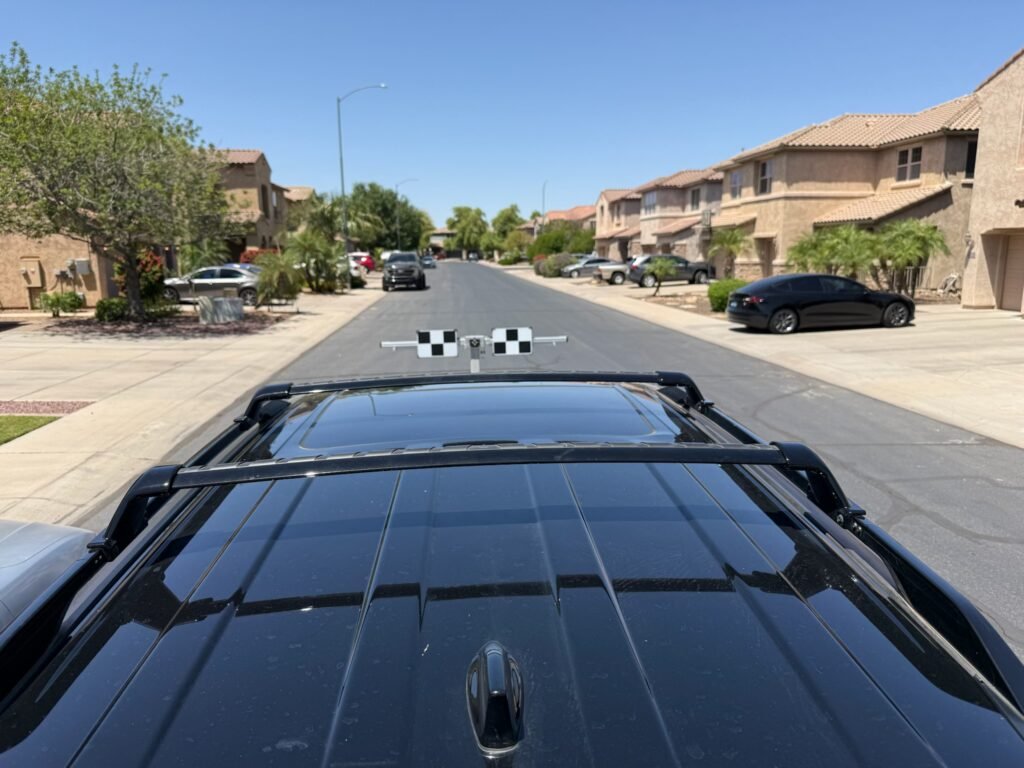
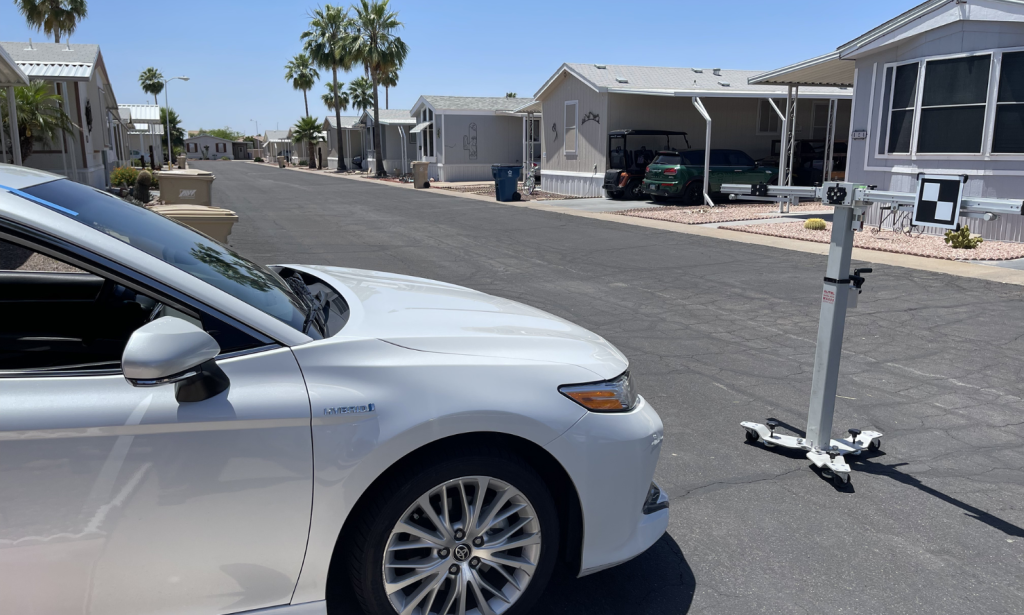
Static calibration happens in a controlled environment with specialized targets at specific distances. The camera realigns to those targets. But for Honda, this alone is not enough. Dynamic calibration means driving the vehicle at specific speeds on roads with clear lane markings. The system needs real world references to calibrate properly.
Skipping the dynamic portion means your lane keeping works okay in perfect conditions but fails in real world scenarios. Your adaptive cruise might maintain distance on highways but get confused on city streets. Your forward collision detection might miss things.
Premiere Auto Glass performs both calibration types on all Honda and Acura vehicles because the team knows that both are mandatory for proper system function.
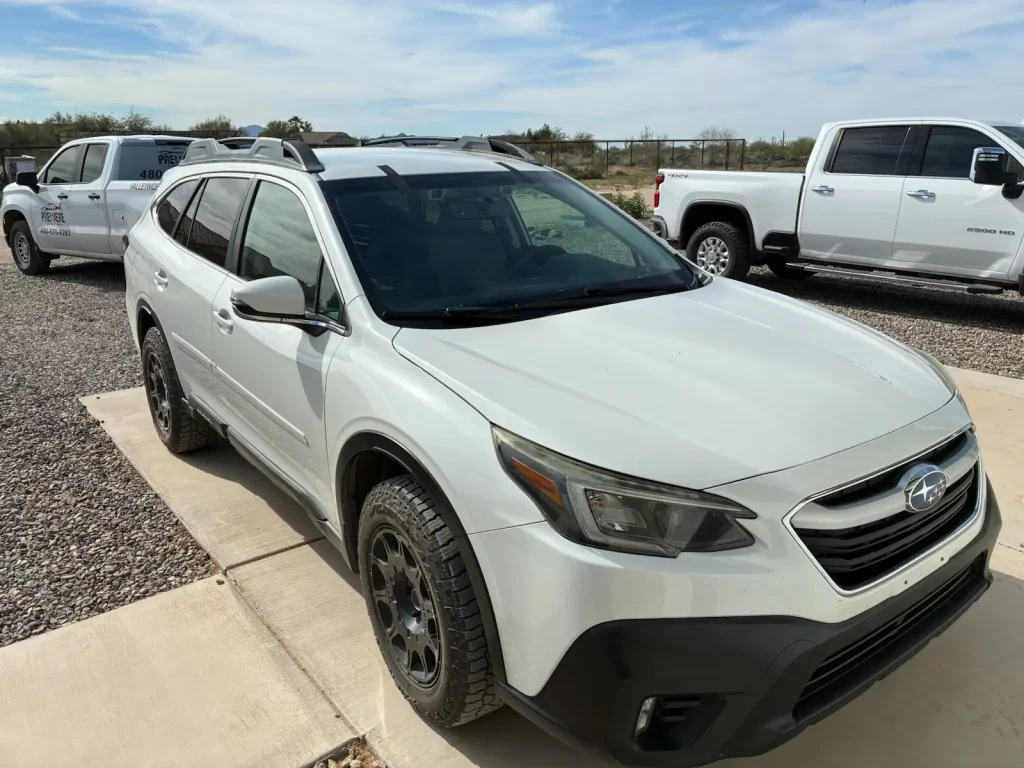
Subaru EyeSight is incredibly demanding
Subaru EyeSight technology is one of the most advanced driver assistance systems available. Two cameras mounted to the windshield work together to create 3D vision. This dual camera system is incredibly sensitive to calibration.
When you replace a Subaru windshield, both cameras need to be perfectly aligned to each other and to the road. Even tiny misalignment throws off the entire system. The 3D vision becomes inaccurate. Distance judgment becomes wrong. Everything EyeSight does becomes unreliable.
Subaru vehicles require extremely precise calibration procedures. Static calibration with specialized Subaru equipment. Dynamic calibration on specific road types. Some Subaru models need additional procedures based on whether they have adaptive all wheel drive.
The calibration process for Subaru is one of the most involved of any vehicle manufacturer. But it is absolutely essential. Subaru safety systems are so sophisticated that they fail dramatically if not calibrated correctly.
Subaru and AWD integration
Some Subaru models integrate their EyeSight system with their all wheel drive system. The ADAS system actually helps control the all wheel drive. If ADAS calibration is wrong, not only do your safety features fail but your all wheel drive system might not work correctly either.
This integration makes Subaru recalibration even more critical. You are not just fixing safety features. You are fixing the vehicle’s handling and drive characteristics.
Premiere Auto Glass specializes in Subaru recalibration because the team understands how sophisticated the system is and how critical proper calibration becomes.
Toyota and Lexus Safety Sense requires specific procedures
Toyota and Lexus use Toyota Safety Sense technology. This system is in basically every Toyota and Lexus now. The camera and radar combination provides comprehensive safety features.
Toyota vehicles need dynamic calibration primarily with static calibration as backup. The system relies heavily on reading lane markings and recognizing road features. This requires real world driving to calibrate properly.
One complicating factor is that some Toyota and Lexus vehicles have heads up displays projected onto the windshield. The display optics are part of the windshield. If the windshield angle is even slightly wrong, the heads up display projects in the wrong spot and becomes useless.
This means Toyota and Lexus recalibration is not just about the camera. It is also about making sure the windshield positioning is perfect for the heads up display.
According to Toyota technical service bulletins, ADAS recalibration is mandatory after all windshield replacements and failure to calibrate properly voids the vehicle’s safety system warranty and can compromise brake system performance by up to 40%.
Ford Co-Pilot360 needs comprehensive calibration
Ford vehicles use Co-Pilot360 technology. This system is in most new Ford vehicles especially their trucks which are super popular.
Ford systems need both static and dynamic calibration for most models. Some high end Ford vehicles need specialized procedures and additional setup steps.
The F-150 is especially common and needs specific attention because of how popular it is. F-150 owners often do not realize their new truck has sophisticated safety systems that need proper calibration after windshield work.
Ford electric vehicles like the Mustang Mach-E have different ADAS systems and different calibration procedures compared to gas powered Fords. This complicates things for shops that work on mixed vehicle fleets.
Premiere Auto Glass stays current on Ford procedures for all their vehicle types so recalibration works correctly regardless of what Ford model you drive.
GM and Chevrolet Super Cruise adds complexity
General Motors and Chevrolet vehicles use different technology depending on the model. Regular Chevrolets use standard ADAS systems. Cadillacs use more advanced systems. Some GMC models have Super Cruise which is incredibly sophisticated.
Super Cruise is General Motors’ self driving technology for highways. It is way more advanced than regular ADAS. When a Super Cruise equipped vehicle gets a windshield replacement, the calibration needs are extensive.
Static calibration with specialized GM equipment. Dynamic calibration on specific highway conditions. Verification that the Super Cruise system works correctly. This is not a simple 30 minute procedure. It takes hours and requires technicians specifically trained on Super Cruise systems.
Not every glass shop can handle Super Cruise recalibration. Many shops do not have the equipment or training. You need to specifically ask whether your shop can handle your vehicle’s specific system.
Chevrolet Silverado and GMC Sierra considerations
These trucks are incredibly popular so they come up constantly. They need standard GM calibration procedures. But because they are trucks, people often tow trailers and use them in demanding ways. Proper calibration is especially important for these work vehicles because ADAS features need to work reliably.
Mazda i-Activsense requires precision alignment
Mazda uses i-Activsense technology which is sophisticated but requires very specific calibration procedures. The camera mounting and calibration are more sensitive than some competitors.
Mazda vehicles need precision target placement during static calibration. The target positions need to be exact or the calibration will be off. Dynamic calibration on specific road types completes the procedure.
Mazda has detailed service bulletins about calibration procedures. Shops that work on Mazdas regularly know these procedures well. Shops that rarely see Mazdas might not know the specific requirements.
Nissan Safety Shield 360 and ProPILOT
Nissan vehicles use Safety Shield 360 as their standard system. Some higher end Nissan models use ProPILOT which adds autonomous driving features.
Safety Shield 360 is less demanding than some competitors but still requires proper recalibration after windshield work. Nissan vehicles need both static and dynamic calibration for best results.
ProPILOT equipped vehicles need more extensive procedures and verification because the autonomous systems are more sophisticated.
Luxury brands demand highest standards
Mercedes-Benz. BMW. Audi. Volvo. Lexus. These luxury brands have the most advanced ADAS systems and the most demanding calibration requirements.
Mercedes DISTRONIC adaptive cruise is incredibly sophisticated. BMW Active Driving Assistant is remarkably complex. Audi Adaptive Cruise Assist has multiple working modes. Volvo City Safety adds additional sensors and requirements.
These systems often have multiple cameras and radar. They integrate with other vehicle systems. They require specialized equipment and training to calibrate correctly.
Research from the Insurance Institute for Highway Safety shows that luxury vehicles with misaligned ADAS systems have collision rates 42% higher than properly calibrated vehicles, making recalibration critical for safety on these advanced systems.
How to know if your specific vehicle needs ADAS recalibration
The best approach is asking your glass shop directly before they replace your windshield. Tell them what vehicle you drive. Ask whether ADAS recalibration is needed and what the process involves.
A shop that knows their stuff will tell you exactly what your vehicle needs. They can explain static versus dynamic calibration. They can tell you how long it takes. They can explain the cost.
A shop that seems unsure or vague about requirements is a red flag. You probably want to find a different shop that specializes in your vehicle brand.
Premiere Auto Glass can tell you immediately whether your vehicle needs ADAS recalibration and what procedures are required based on your specific make and model.
The cost of skipping recalibration
Skipping ADAS recalibration saves money initially. No calibration cost added to your windshield replacement. But it creates massive problems.
Your safety systems do not work correctly. Your automatic braking might fail in an emergency. Your lane keeping might steer you wrong. Your collision warning might not activate when it should.
If you get in an accident and your ADAS systems failed because of improper calibration, your insurance might deny coverage. You might have liability issues if your failure to properly calibrate your safety systems contributed to the accident.
The short term savings of skipping calibration creates long term financial and safety consequences way bigger than the cost of the calibration itself.
Choosing the right glass shop for your vehicle
Not all glass shops are equally equipped to handle ADAS recalibration. Some only do basic windshield replacement. Some specialize in specific brands. Some have full calibration capability for all major brands.
Find out what your vehicle needs before choosing a shop. Then verify that the shop can actually perform that work. Ask what equipment they have. Ask whether they are certified for your vehicle brand. Ask for references from other customers with your specific vehicle.
Premiere Auto Glass invests in equipment and training to handle ADAS recalibration for all major vehicle brands. The team can handle anything from basic Honda to complex Subaru to sophisticated Mercedes systems.
Your vehicle safety depends on this work being done correctly. Choose a shop that knows what they are doing.
Getting your ADAS system recalibrated properly
Do not skip ADAS recalibration even if it costs extra. Your safety depends on it. Your vehicle’s resale value depends on it. Your insurance coverage depends on it.
Get your windshield replaced by a shop that handles ADAS recalibration for your specific vehicle. Make sure the calibration is completed before you leave. Ask for documentation showing the recalibration was done.
Your safety features are designed to protect you and your passengers. They only work if they are properly calibrated. Schedule your windshield replacement with complete ADAS recalibration today and drive away knowing your safety systems are working exactly as they should.
FAQs
Do all vehicles need ADAS recalibration after windshield replacement?
No. Older vehicles without ADAS systems do not need it. Some newer vehicles might need it depending on their camera mounting location and ADAS sophistication. Ask your glass shop specifically whether your vehicle needs recalibration based on your make, model, and year.
How long does ADAS recalibration take?
Static calibration usually takes 1 to 2 hours. Dynamic calibration takes 30 minutes to 1 hour of driving on appropriate roads. Combined procedures might take 3 to 4 hours total. Some luxury vehicles might take longer because their systems are more complex.
What is the difference between static and dynamic ADAS calibration?
Static calibration uses specialized targets at specific distances in a controlled environment. The camera realigns to these targets. Dynamic calibration means driving the vehicle on roads with proper lane markings to calibrate using real world references. Most vehicles benefit from both types for optimal results.
Will my ADAS work if I skip recalibration?
Maybe initially but not correctly. The camera is pointed at the wrong angle. Your safety features operate from incorrect data. They might seem to work in some situations but fail in others. You cannot rely on them which defeats the purpose of having them. Proper calibration is not optional it is mandatory for safety.
Can I get my ADAS recalibrated later if I skip it now?
Yes but why wait. Get it done right after your windshield replacement when the work is already being done. If you wait and skip calibration, you can still get it done later but you have been driving around with broken safety systems in the meantime. Better to do it right the first time.