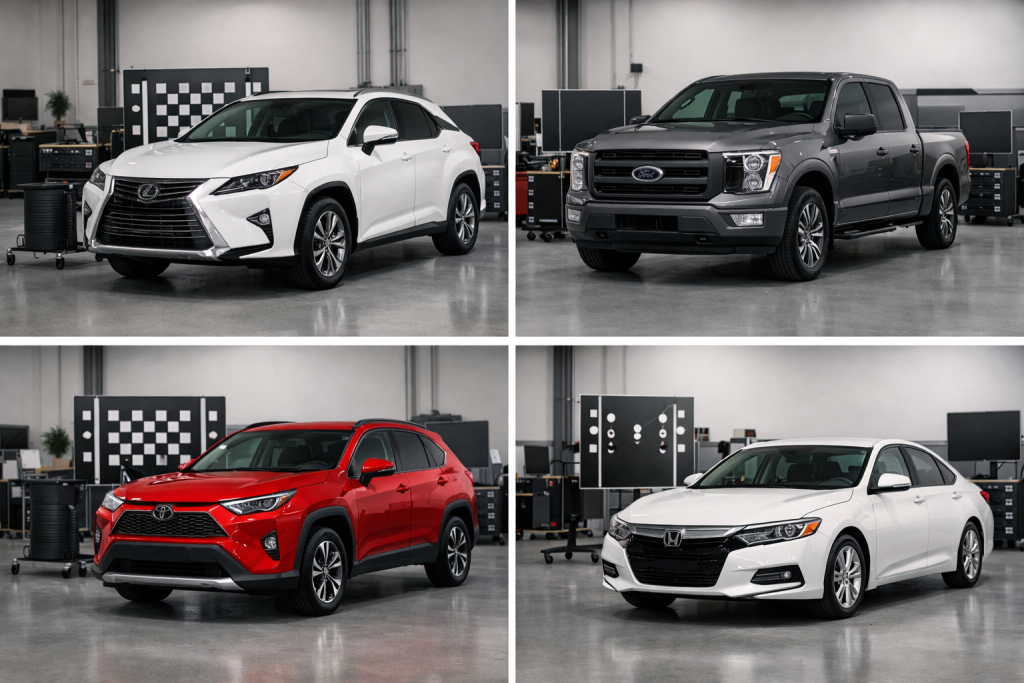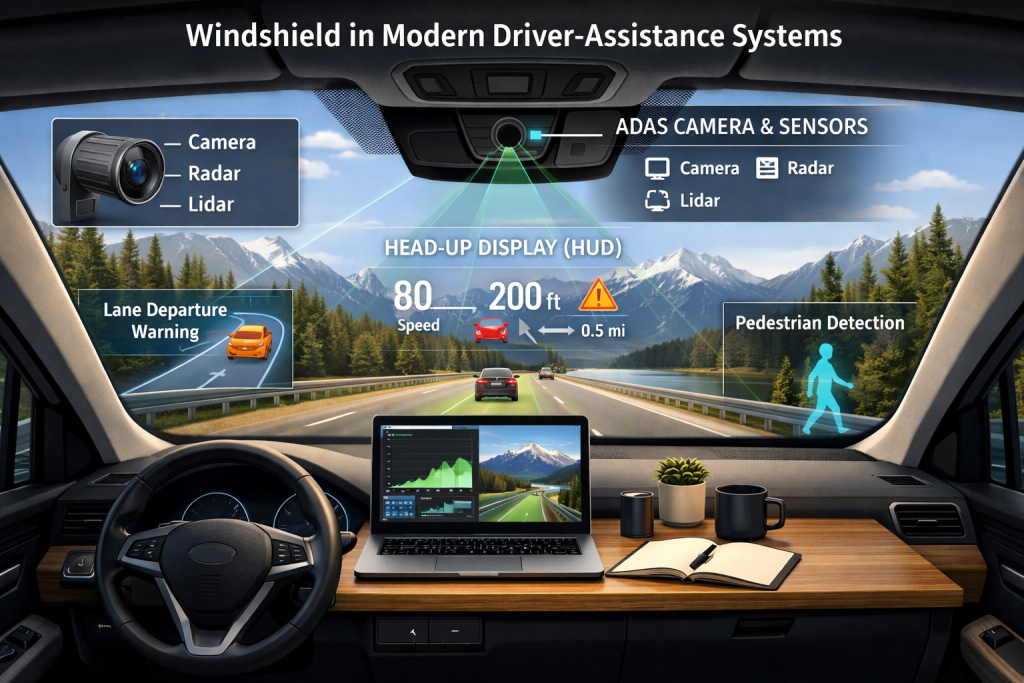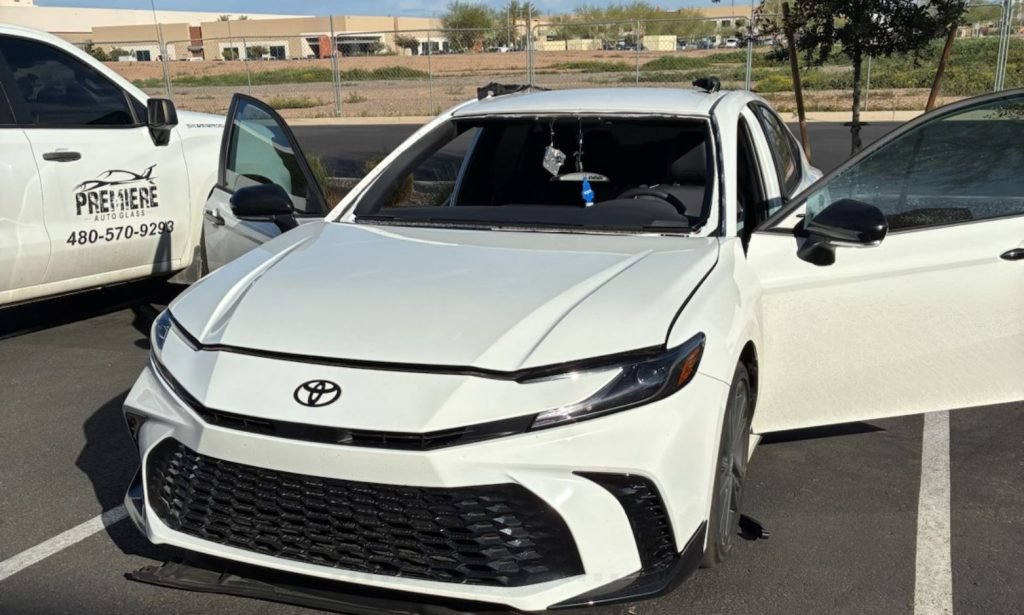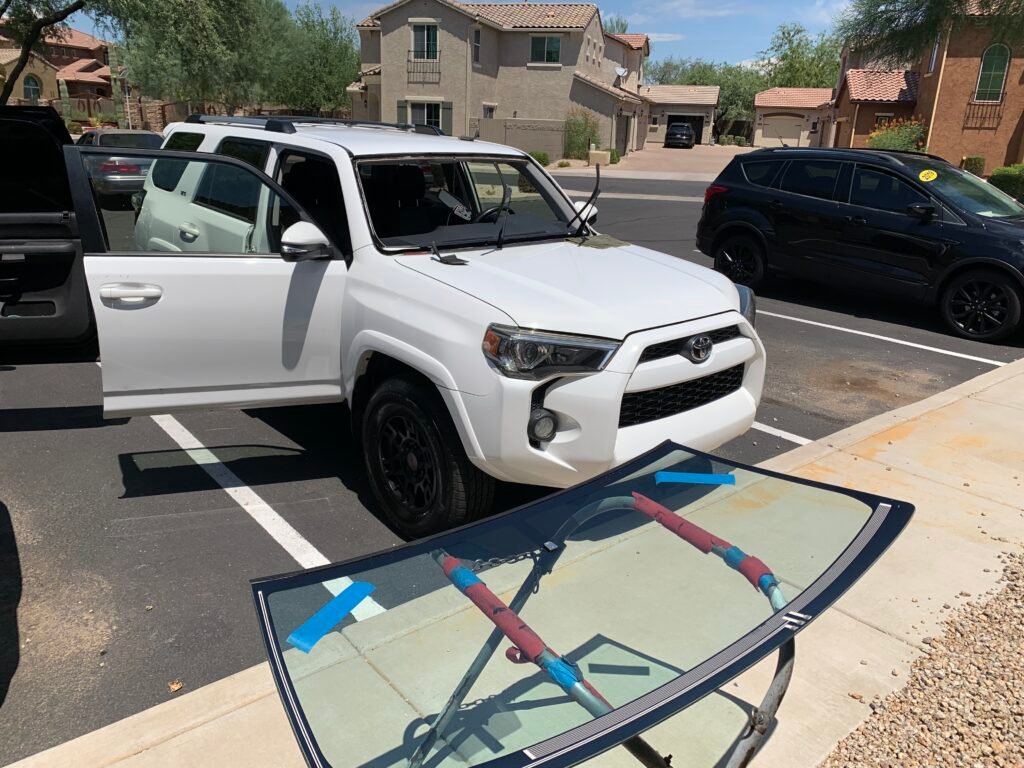

Quick Blog Summary
Rear glass damage can do more than just block your view. In vehicles that have backup cameras, 360-degree camera systems or parking sensors the damage can interfere with how these safety tools work. When replacing the glass it’s not about swapping out a piece of glass. The cameras need to be handled with care. Wiring must be checked to make sure it’s not damaged.. After the repair the systems often need calibration to function properly. The cost can vary a lot. It depends on the type of vehicle how bad the damage’s whether insurance will cover the repair. It’s best to go with an auto glass technician. They know how to handle the electronics and make sure your safety features are working the way they should. This helps keep your vehicle safe and keeps the cameras working right.
Introduction
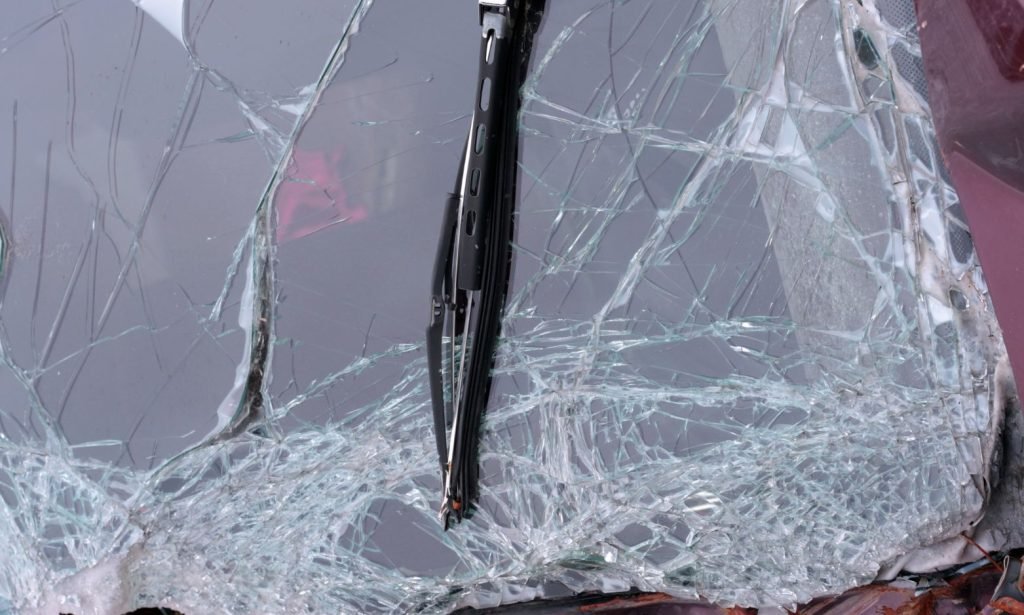
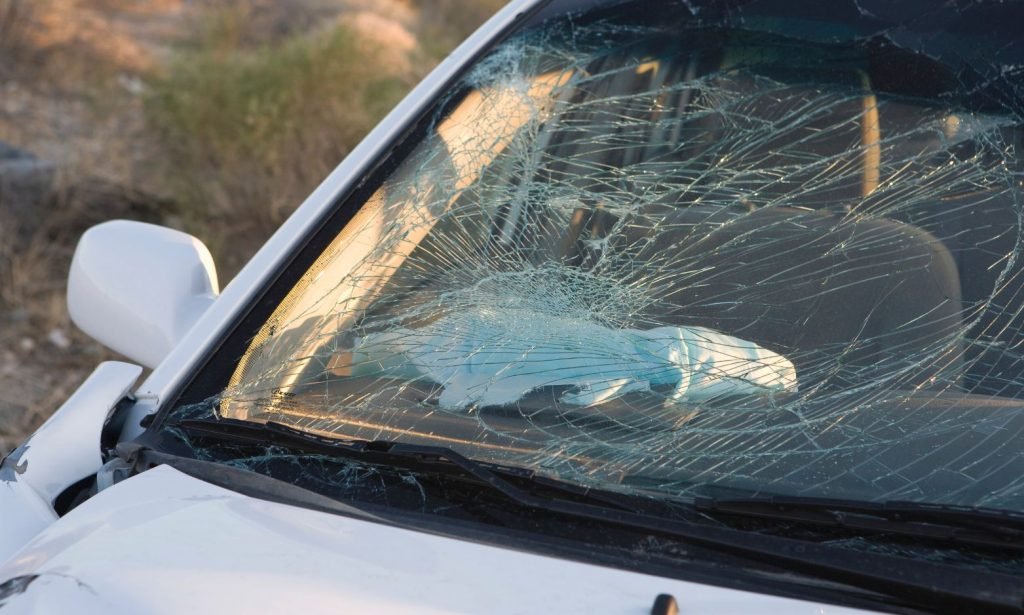
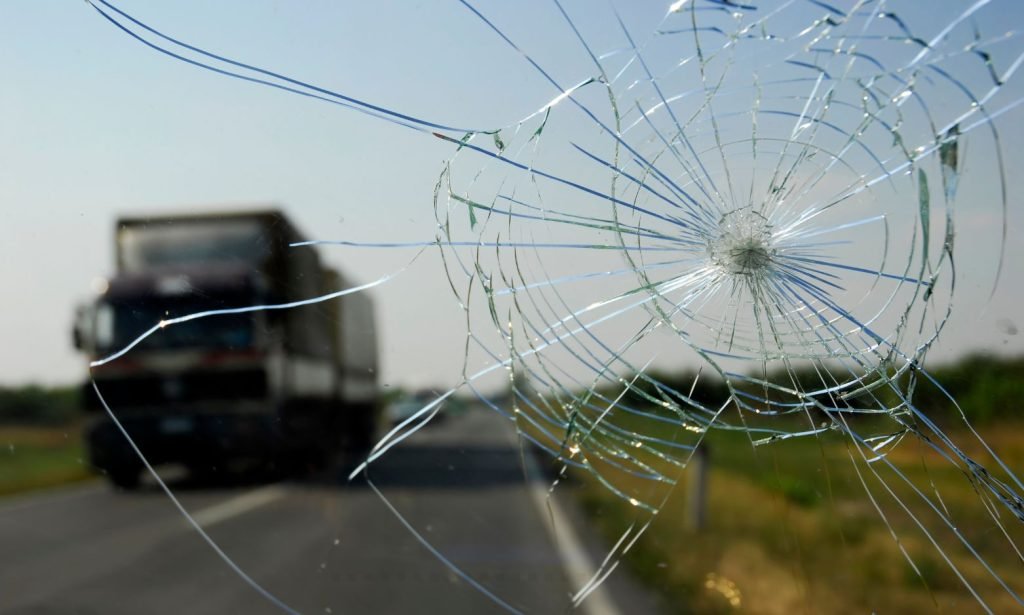
Dan noticed the crack on a Tuesday morning. A branch had dropped across his SUV’s rear hatch during a windy afternoon in Phoenix, and the glass had a line running from one corner to the middle. It didn’t look dangerous at first. He figured he’d deal with it later. Then he backed out of his driveway and realized the 360 camera view on his center screen had turned into a blurry smear. The rear camera sits in the hatch handle, and the crack had caught the lens area.
Dan’s story is more common than most people expect. Modern vehicles pack cameras and sensors into spots that used to hold nothing but glass and a defroster. So when the rear glass breaks, you’re not just dealing with a window. You’re dealing with a camera, a few wires, and sometimes a driver assistance system that depends on everything lining up perfectly.
Here’s what you need to know, so you don’t end up where Dan did, staring at a blank screen and wondering what to do next.
Why your rear glass does more than keep weather out
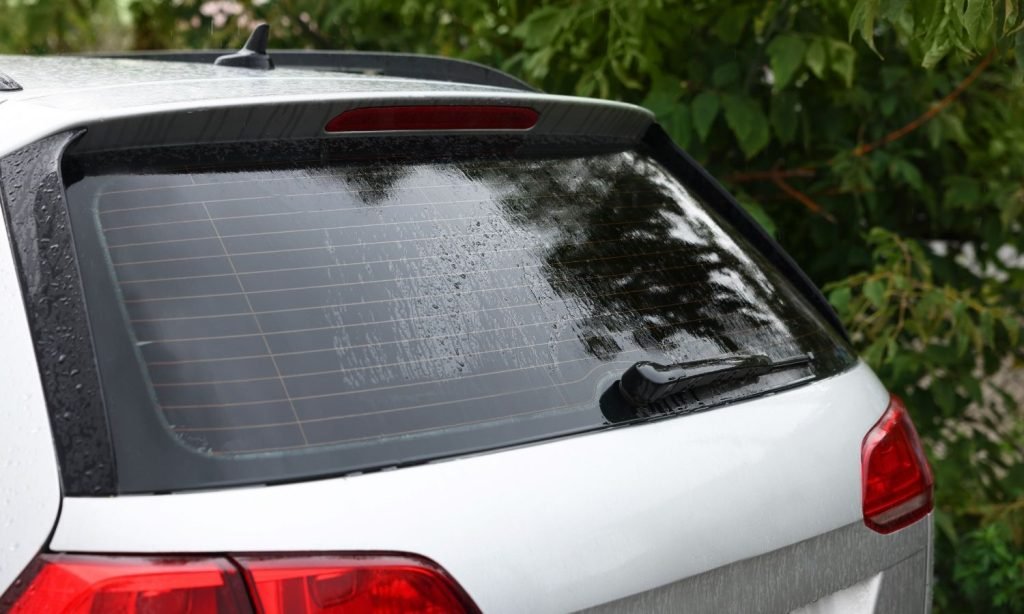
Back in the day, rear glass was pretty simple. It kept the wind and rain out, had a few heating lines to clear frost, and maybe carried a radio antenna. Now it does a lot more. Many newer SUVs, trucks, and crossovers have a rear camera built into or near the hatch. Some have a third brake light mounted on the glass. Others have sensors for parking help or blind spot monitoring tucked behind the trim.
The National Highway Traffic Safety Administration made rear cameras a requirement on new light vehicles in 2018 to help drivers see behind their vehicles. That rule is a big reason you’ll find a camera on almost every new car, and it’s a big reason rear glass work has gotten more complicated.
The National Highway Traffic Safety Administration explains that rear visibility systems help drivers see objects behind their vehicles, which is why camera equipment has become a standard part of many newer models.
What a 360 camera system actually is
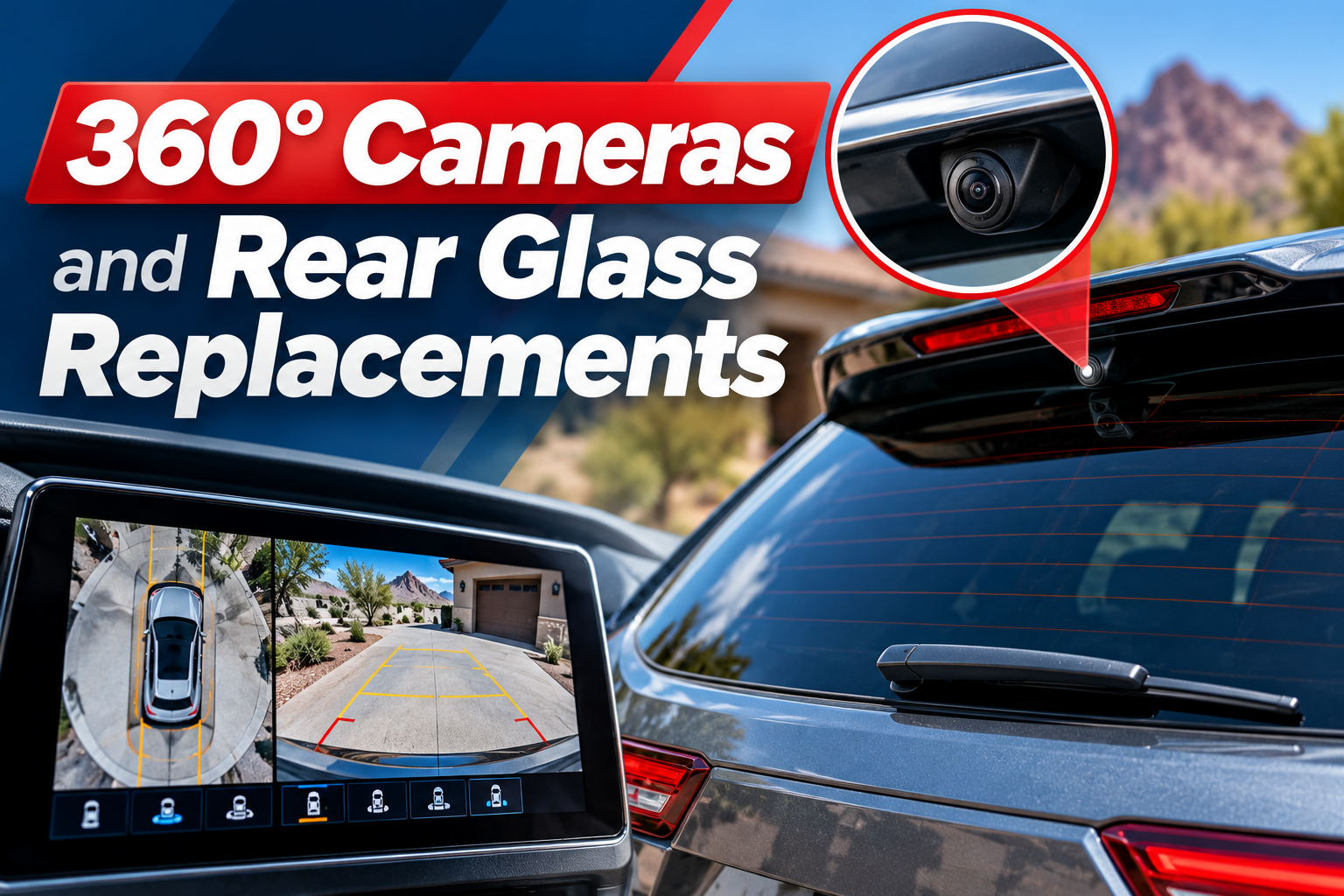
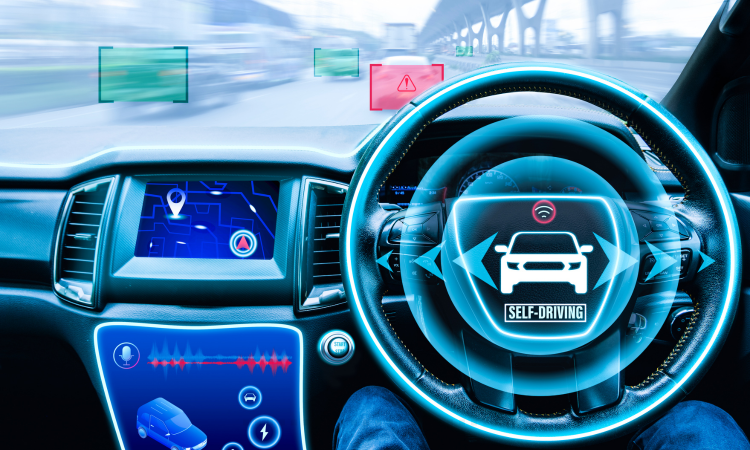
A 360 camera system is the around view you see on the screen when you park. It uses cameras. Usually one in the front grille one on the rear hatch and one under each side mirror. The system takes those views. Stitches them together into a bird’s eye picture of your car sitting in the middle of the scene.
That’s a feature. You can creep into a spot spot a curb you’d otherwise. Avoid bumping a kid’s bike in the driveway.. It also means one damaged camera can throw off the whole picture. A cracked rear camera can leave you with a gap, in the view an image or a warning light that won’t go away.
The camera is often tied to the glass
Here’s the part a lot of drivers don’t think about. On cars the rear camera isn’t just stuck to a bracket. It sits in a spot, on the glass or the hatch and it’s set at a very precise angle. When the glass gets replaced the camera has to be taken out cleaned and put back in the spot at the same angle. A few degrees off can change what you see on the screen and how the system measures distance.
That’s why Dan’s problem didn’t fix itself when he pulled over. The glass needed replacing. The camera needed to come out and go in.. The system needed to be checked to make sure the picture still lined up with the car.
Signs your rear glass or camera needs attention
Some warning signs are clear. A crack, a chip, a corner or a hole all mean it is time to call someone.. Other problems hide in plain sight. I watch for a camera image that looks cloudy, dim or wavy. I check whether the picture cuts off at one edge or flickers when I shift into reverse. I pay attention if my parking sensors start beeping at times or go silent altogether.. If the rear defroster does not clear frost or fog the way it used to the heating lines may be damaged. I keep an eye on warning signs.
Small chips, near the camera can also cause trouble over time. Moisture can creep in. The lens can fog up. I do not wait until the picture is useless. I get it checked early while the problem might still be simple. I keep watching for warning signs.
What happens during a rear glass replacement
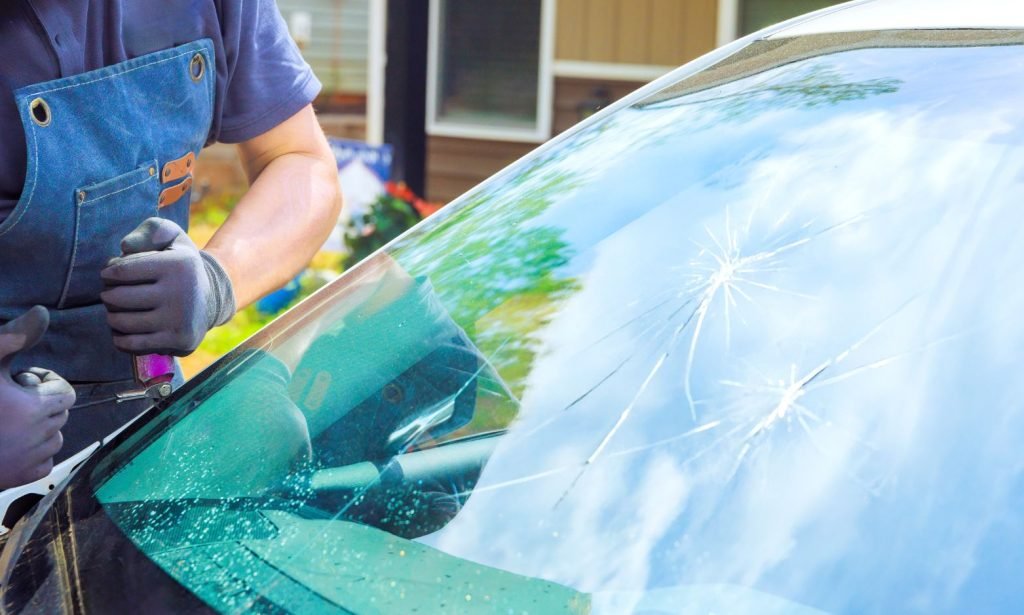
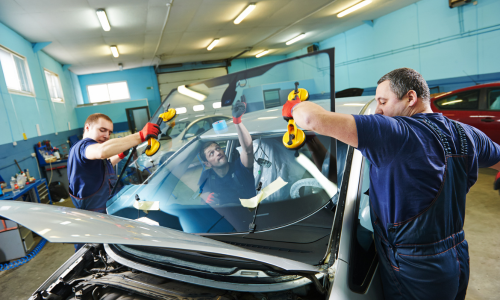
Replacing glass is not a quick swap for most modern vehicles. A tech usually starts by removing trim pieces, the spoiler if the car has one and any wiring plugs. The old rear glass comes out carefully because the hatch frame has to stay in shape. New adhesive goes on the hatch frame and the new rear glass sets, into place.
When the car has a camera the tech moves the camera from the rear glass to the new rear glass or swaps in a new camera if the old camera is damaged. The wiring gets. The trim goes back on. Then comes the step people often skip without realizing it. The camera system may need calibration.
Why calibration matters
Calibration tells the system where the camera sits and how it is angled. Without Calibration the 360 view can show lines that do not match the world. Calibration is needed for guidelines and parking assist to read distances correctly. In some vehicles a warning light stays on until the system receives a Calibration.
Some shops can perform Calibration on the spot with the equipment. Others send the vehicle to a dealer or a specialty center. Ask your technician how they handle Calibration before you agree to any work.
A good shop will tell you plainly what they can do and what they need to send out.
Costs can vary a lot
Here is the honest answer about money. Rear glass replacement costs vary depending on the vehicle, the type of glass if the camera needs to be moved or replaced and if calibration is needed. A simple rear window on a sedan costs much less than a hatchback that has a built-in camera, antenna and brake light on a newer SUV.
Insurance can help,. It does not always help. Some insurance policies cover glass damage with a deductible or no deductible at all. Other policies handle camera replacement differently from glass replacement. Contact your insurance company. Ask specific questions like whether the policy covers calibration and if they have a preferred shop. The Insurance Information Institute provides information, about how auto coverage works if you want to learn more before you call.
We also advise customers to get the picture before they agree. A repair quote that does not include calibration may seem cheaper at first. It can result in a camera that does not work properly.
The Insurance Information Institute notes that comprehensive coverage often handles glass damage from events like falling debris, which is why checking your policy before you file can save time and confusion.
Watch out for shortcuts
Some shops try to save time by skipping steps. They might reuse an old camera on new glass without checking its alignment. They might leave out calibration because it adds time and cost. They might use glass that doesn’t fit the hatch frame correctly. Each of those choices can lead to noise, leaks, or a camera that looks fine until you need it most.
Ask questions. Ask whether they’ll check the camera alignment, whether they use glass that matches the factory specs, and whether they’ll test the system before they hand you the keys. A good technician won’t mind the questions. In fact, most of them like customers who care about the details.
What to do right after the damage
If your back window breaks start with safety. Make sure the glass is not still loose and keep children and animals away from the opening. If the back door doesn’t close properly or the glass droops do not drive the car until someone has fixed it. Using tape or a temporary cover can help keep water, dirt and other things from getting in. It is not a long-term solution.
Take pictures before anything is moved. Show the damage the camera area and any warning lights that are on your dashboard. These pictures help with insurance claims. Give your repair person a clear starting point.
Then call a shop that does camera work, not regular glass. Tell them what you have, including the year the make and the model and whether your car has a 360 system or a rear camera. A few details, at the beginning can save a trip.
Keeping your rear glass and cameras in good shape
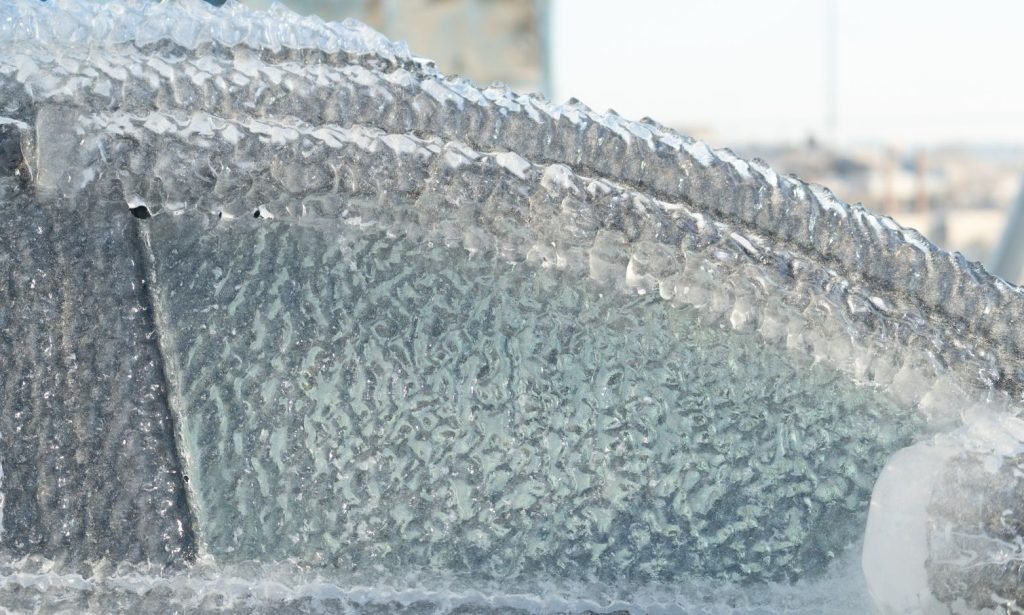
You cannot stop every branch. Stray rock, but you can make your camera setup last longer. Keep the camera lens clean. A quick wipe with a cloth removes dust, road dirt and bugs. Avoid cleaners that can damage the camera lens coating. In winter clear snow and ice, from the camera area before you drive because a frozen camera lens can turn the screen into a white blur.
Park wisely when you can. Tree limbs, storms and hail can cause the kind of damage Dan saw. If a storm is coming, pull into a spot or a garage if you have one.. If a small chip shows up near the camera lens get it looked at before it spreads.
Wrapping up
Rear glass used to be a simple window. Now it’s part of your safety system, your parking help, and your daily view of the road behind you. That means a crack or break deserves more attention than it used to.
Dan got his hatch replaced, his camera moved to new glass, and his 360 system calibrated the same week. He told us the whole process felt less scary once he knew what each step did. He still checks his rear view before he backs out, and he keeps a microfiber cloth in the glove box for the camera lens.
If your rear glass is cracked, your camera image looks off, or your parking sensors act up, Premiere Auto Glass can help you figure out the right fix. Contact our team and we’ll walk you through what your vehicle needs and what to expect.
Frequently asked questions
Can I drive my car if the rear glass is cracked?
Sometimes, but be careful. A small crack may stay stable for a while, but a large crack or a shattered hatch can fail at any moment. If the glass is loose, sagging, or letting in water, it’s better to get it secured or towed. Your safety and the safety of people around you come first.
Will a cracked rear camera affect my 360 view even if the glass is fine?
Yes, it can. Even a small problem with the camera lens or its wiring can distort the picture or create a blank spot on the screen. If the glass looks okay but your camera view looks wrong, have a technician check the camera before you assume it’s just a software glitch.
Does every rear glass replacement need calibration?
Not every one, but many newer vehicles do. Calibration depends on the make, model, and which systems your car uses. Ask the shop whether your vehicle needs calibration, and ask how they handle it. Skipping this step can leave you with warnings, inaccurate camera views, or parking sensors that don’t work right.
Will my insurance cover rear glass and camera damage?
It depends on your policy. Comprehensive coverage often handles glass damage from storms, debris, or vandalism, but the details vary. Some policies cover the camera and calibration, while others limit what they pay. Call your insurance company, ask about your deductible, and ask whether they have a preferred shop before you schedule the work.
How do I keep my rear camera from getting damaged again?
Keep the lens clean, park away from falling branches when you can, and clear snow and ice before driving. Check the camera image regularly so you catch small problems early. And if you notice a chip or crack near the camera, get it looked at quickly, before moisture or dirt gets inside.