
Quick Blog Summary
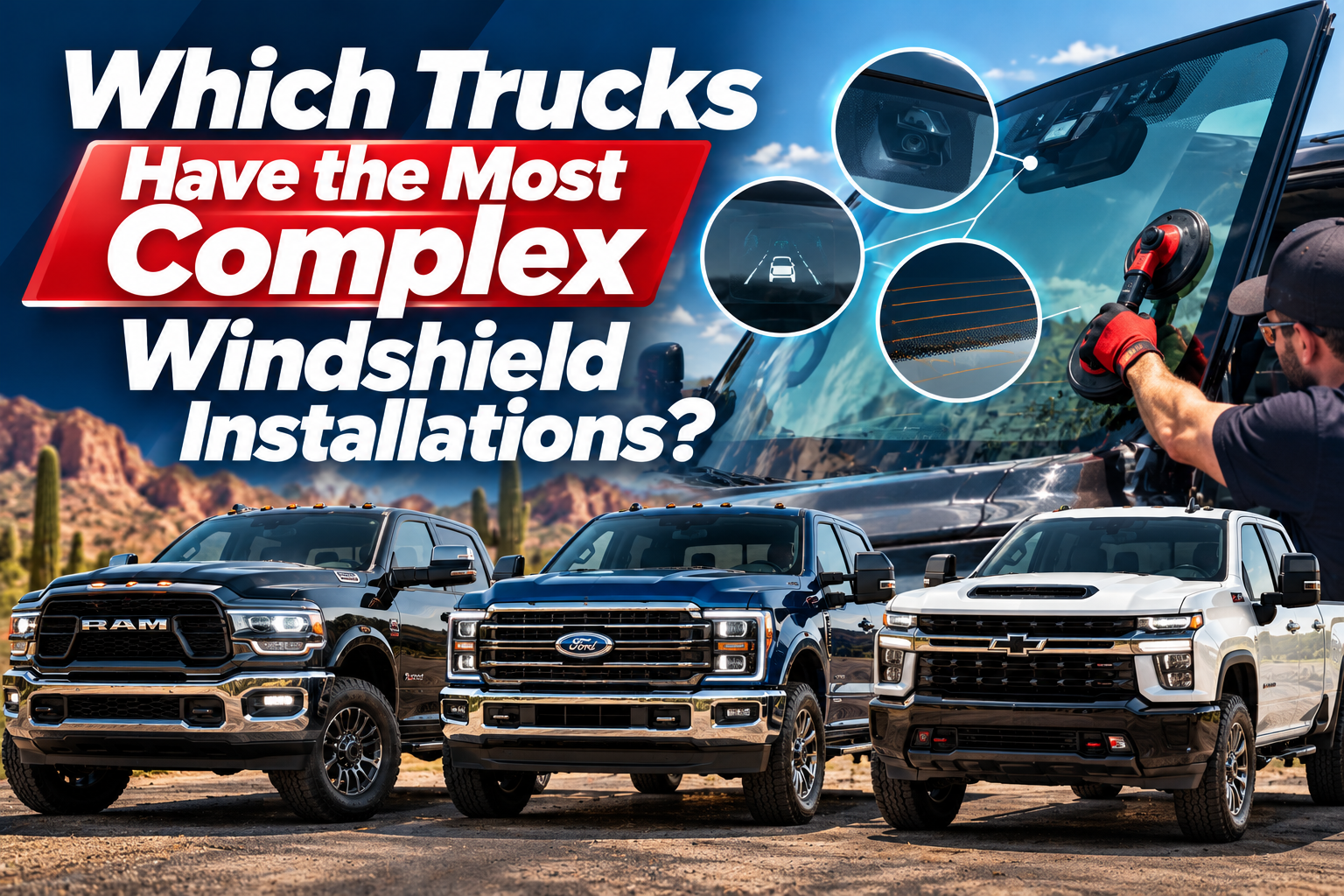
Truck windscreen fits can be more complicated due to the large glass panels, the height of the cab, the presence of cameras and all the various sensors. A lot of the heavy duty trucks and higher trims of the pickups will require specialist glass and a calibration after the replacement. It’s always worth checking the VIN and getting an experienced fitter as you can’t guarantee a correct fit and you don’t want to end up with your safety features all rendered inoperative.
Introduction
Pickup trucks are all over the place. Contractors drive them, families drive them with their boats in the back, loads of people just drive them because they like the view from the seat. When the windscreen does crack though, a truck is often a lot harder to repair than a saloon. The glass is bigger, the cab is higher and on the newer models you’ve got all sorts of cameras and sensors that have to be perfectly aligned.
At Premiere Auto Glass we see trucks all the time in the Phoenix area. Some jobs we can get through in under 2 hours, others take the entire day and require a second visit. This guide looks at which trucks are the most difficult, why they’re so difficult and what you can expect if your truck ends up needing new glass.
Why trucks are harder than cars
A truck windscreen is not simply a bigger car windscreen. The shape, the mounting points and the features all add a layer of complexity.
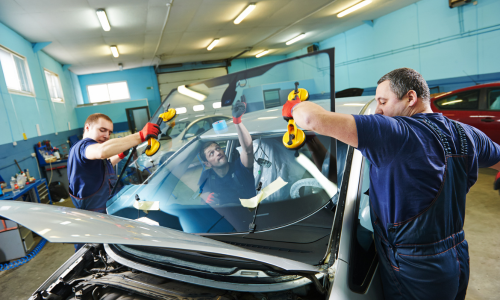
First of all the glass is big and heavy. A full size pickup windscreen is going to be a lot heavier than a compact car windscreen. That means more handling, more care and in some cases you’ll actually need two people to do the fit.
Secondly the cab is high. The techs are constantly reaching across a wide dash and working from all sorts of awkward angles. That’s a bit of a drag, particularly when the trim pieces are tight.
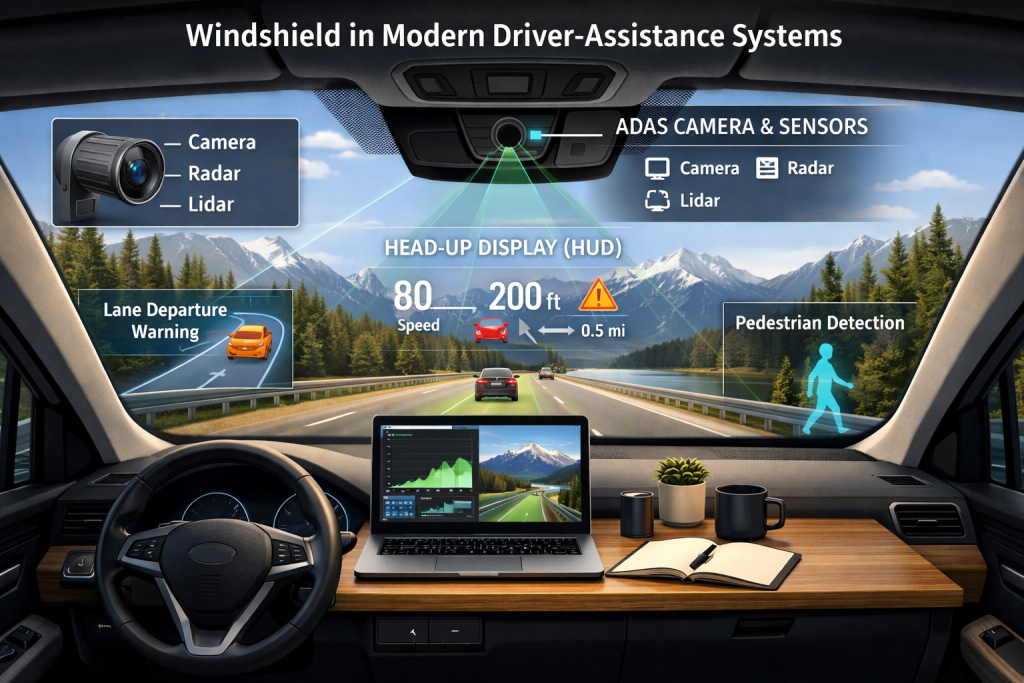
Thirdly the features are just getting bigger and bigger. A lot of the newer trucks have forward cameras, lane keeping sensors, rain sensors, heated wiper blades. Some have head up displays and some have tinted bands which have to match exactly. Each of those is an additional step.
As per the NHTSA, a lot of the newer vehicles have driver assistance systems which are very much dependent on the exact placement of their sensors. A small change to the glass can therefore have a big effect on how those systems ‘see’ the road.
The trucks we see most often
Some models come up time and time again in our shop. Here’s a quick look at the types of trucks that tend to need more work.
| Truck type | Common examples | Why the install takes longer |
|---|---|---|
| Full size half ton pickups | Ford F150, Ram 1500, Chevy Silverado 1500, GMC Sierra 1500 | Large glass, many trims, camera and sensor setups |
| Heavy duty trucks | Ford Super Duty, Ram 2500 and 3500, Chevy Silverado HD | Taller cab, thicker glass in some cases, extra trim work |
| Mid size pickups | Toyota Tacoma, Chevy Colorado, Ford Ranger | Smaller glass, but newer models carry full driver assist packages |
| Full size SUV style trucks | Toyota Tundra, Nissan Titan | Wide glass, sensor clusters, and specialty brackets |
| Older trucks without sensors | Pre 2015 pickups in many trims | Simpler installs, but harder to find exact glass for some trims |
Heavy duty trucks tend to take the longest. Their cabs are taller and some use a different glass with extra bracketing. Half ton trucks with the maximum trim options can be just as fiddly as the heavy duty ones, given there are so many trims under one model name.
The features that make installs complicated
Some of the features are the real reason a truck install is such a complicated affair. Knowing that in advance helps you plan.
Forward camera and lane sensors
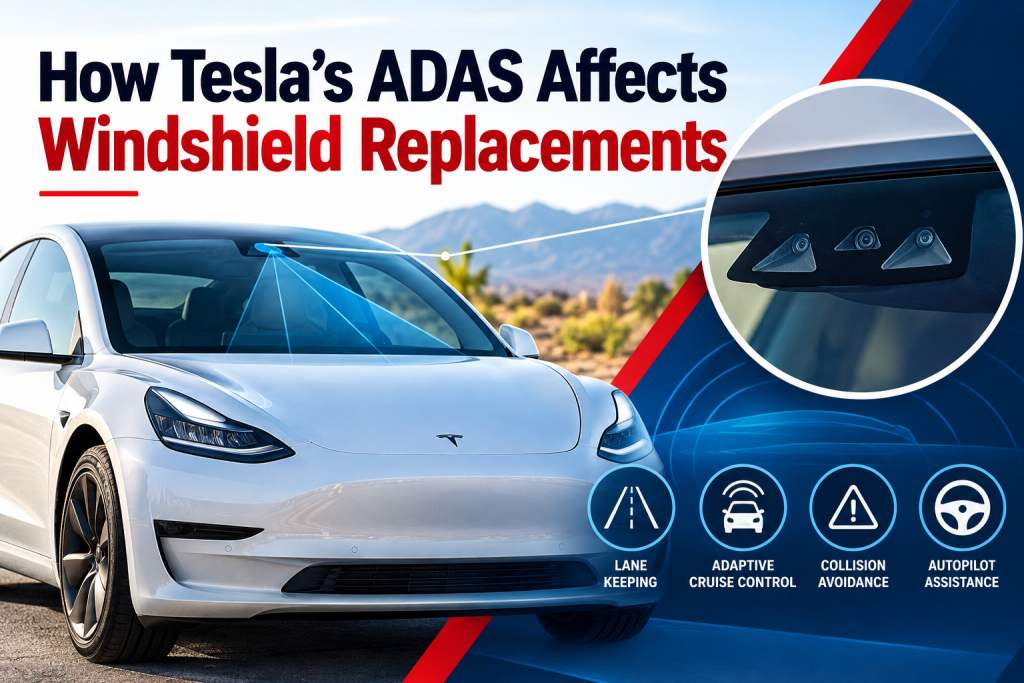
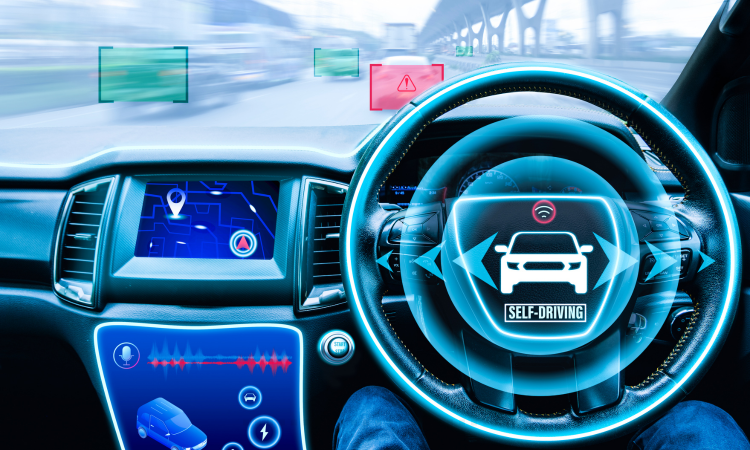
Many of the newer trucks have a camera mounted behind the windscreen to read the lane lines, traffic signs and vehicles in the vicinity. It’s mounted on a bracket which is bonded to the glass. If the glass or bracket moves even a little the system can give spurious warnings or simply cease to work.
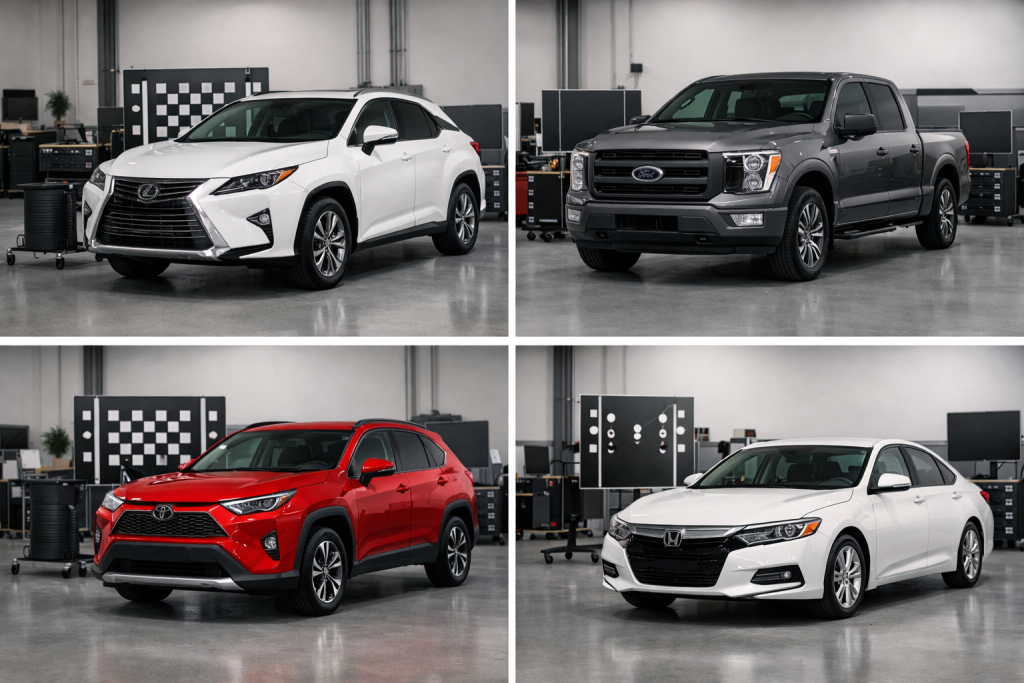
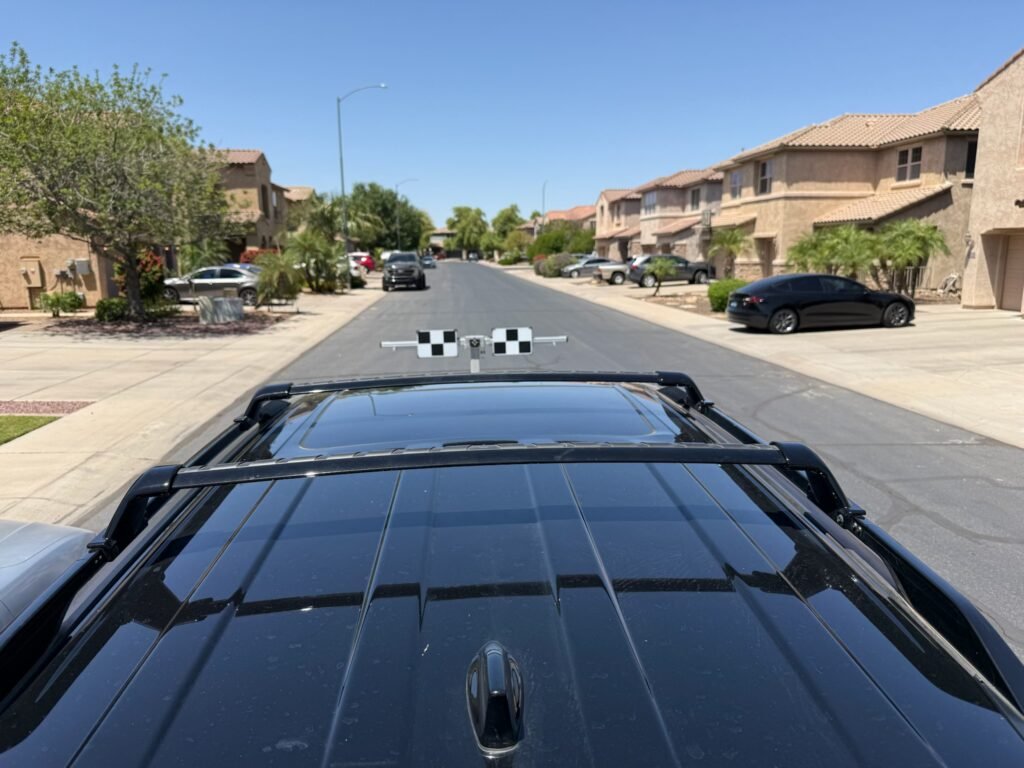
After the replacement the camera will almost certainly need calibration. That is the system learning precisely where it is and how it is angled. Some shops can do the calibration on site with the appropriate targets and software. Others will send the truck to a dealer or a calibration centre. In either case it adds both time and cost.
Rain sensors and heated wiper areas
Rain sensors and heated wiper park zones are found on the higher trims. Both of these require the correct glass layout. A sensor in the wrong position will either cause the wipers to run on dry glass or fail to run altogether. A heated wiper park zone that doesn’t conform to the factory layout will have cold spots that will never clear.
Head up displays
Some trucks will project the speed and navigation onto the glass. That’s done via a special coating which bends the light in a particular way. A standard replacement windscreen won’t work as the image won’t be projected correctly. The glass has to be the correct glass (i.e. match the factory spec) and that invariably means you have to order the correct part.
Tint bands and acoustic layers
Lots of trucks have a shaded band across the top of the windscreen. Some have acoustic layers to reduce road noise. Both of these require matching glass. Using the wrong band or a standard layer will alter the appearance and sound of the cab.
Antennas, sunroofs, and rear glass
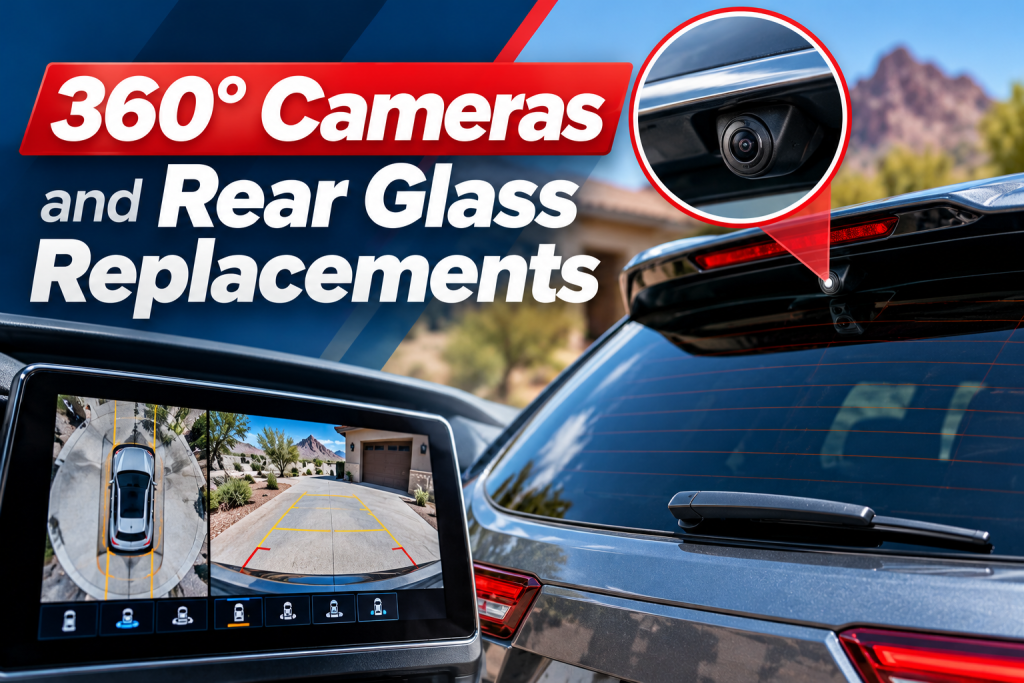
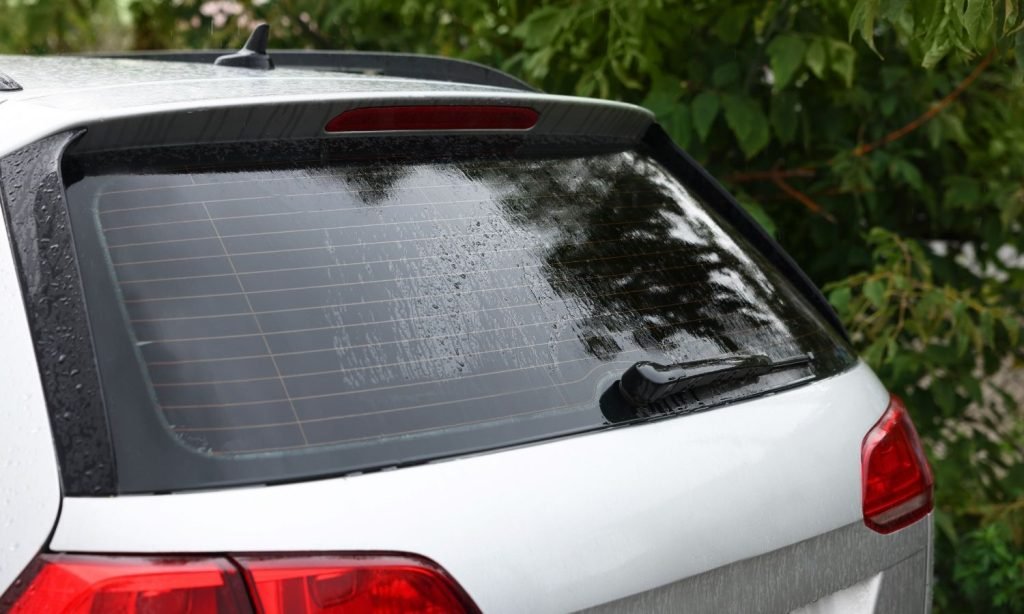
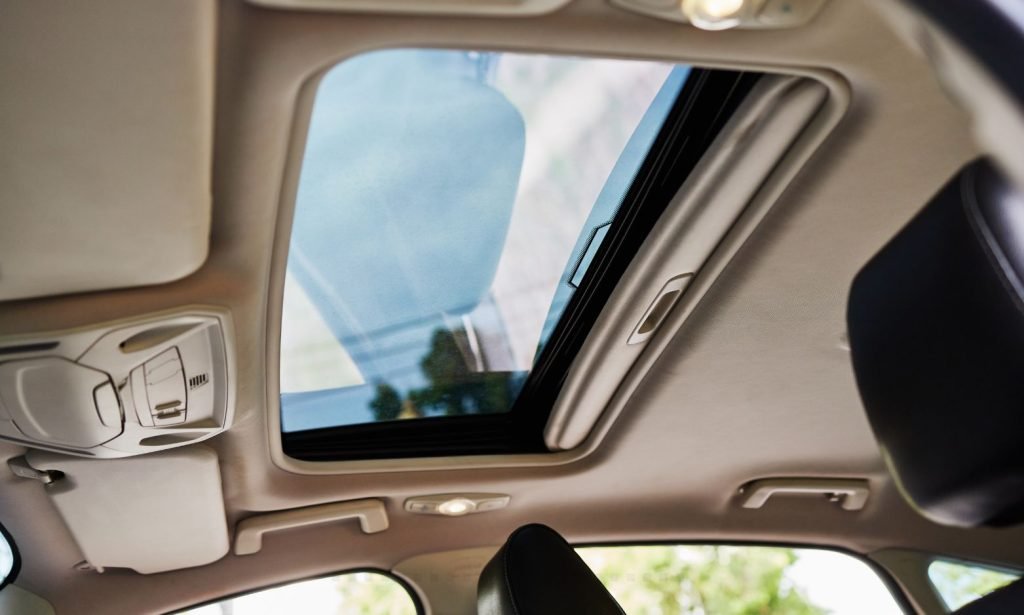
Some trucks have the antenna printed into the glass. Others have sunroofs or sliding rear windows. A rear window with a built in camera or a third brake light takes it one stage further.
How long an install usually takes
Time varies considerably from truck to truck. Here’s a very rough guide as to what we normally see.
| Install type | Typical time range | Notes |
|---|---|---|
| Basic windshield, no sensors | 1 to 2 hours | Mostly removal, prep, and install |
| Windshield with rain sensor | 2 to 3 hours | Sensor needs careful alignment |
| Windshield with forward camera | 2 to 4 hours plus calibration | Calibration time varies by vehicle |
| Heavy duty truck with full features | 3 to 5 hours plus calibration | Extra trim work and larger glass |
| Truck with head up display | 3 to 5 hours | Specialty glass may need extra ordering time |
These are general times. Your truck could well fall outside of them and that’s perfectly normal. The key thing is that the job gets done correctly.
Why the VIN and trim level matter so much
Two trucks that look exactly the same can end up requiring different glass. It’s all down to the trim level, the factory options and the year of manufacture. The base model may have plain glass, the top trim will have a camera mount and a tint band.
That’s why we start with your VIN. The number tells us what your truck came out of the factory with and that enables us to order the correct windscreen and avoid any surprises when the old one’s out. A quick photo of the door jamb sticker or the corner of the windscreen will do if you don’t have the VIN to hand.
Insurance and what to expect
Truck owners will often ask whether their insurance will cover a complex install and the answer is it depends on your policy. Comprehensive will generally cover glass damage but the specifics vary from insurer to insurer.
The Insurance Information Institute says comprehensive coverage generally includes glass damage so it’s worth having a look at your policy prior to scheduling a repair to ensure you know what your deductible is and what your options are.
Ask your insurer if they cover calibration, if they prefer OEM or after market glass and if they have a preferred garage. That can save you a phone call later. We assist with the insurance paperwork and we always show you the price and the options prior to us doing anything.
Tips to make the job easier
A few simple steps will go a long way to making a complicated install go more smoothly.
Clear the cab out before the appointment. The techs need room to work and loose bits on the dash can be a bit of a hindrance.
Tell us about any features you’ve added. Aftermarket dash cams, toll tags, window tint etc. will all affect the install so let us know so we can plan around them.
Keep the VIN and any documentation to hand. Having the correct information at the front desk saves time.
Ask about calibration prior to you leaving. If it’s required then make sure you know when and where it’s going to happen.
Plan for a bit of extra time. Complex installs can take a long time and rushing a camera or sensor install can cause issues down the track.
Tip from our install team: take a photo of your dash lights prior to the appointment. If a warning light comes on afterwards then the photo is useful to us in comparing the two and can help us to get to the bottom of it quicker.
What makes a shop worth trusting on a hard install
Not every garage is going to be adept at handling complex truck work. Here are a few indicators that a garage knows what it’s doing.
They’ll ask you about the trim level, the options and the features. They’ll tell you whether your truck needs calibration and how they’ll do that. They’ll check the sensor and camera positions and will test the system prior to handing you the keys. They’ll be up front with you about what the job is going to cost and how long it’s going to take.
If they’re rushing you, skipping questions or refusing to explain what calibration is then look elsewhere. A good windscreen job on a modern truck takes care and attention.
Wrapping up
Pickups are some of the most complex windscreen fits you’ll come across. The glass is large, the cabins are tall and there are all sorts of cameras and sensors to contend with. The heavy duty models and the high trim half tons are invariably at the top of the list but of course any truck with a camera or a head up display can be a right pain in the arse.
The good news is that a careful process makes all the difference. Start with the VIN, check the specs, plan your calibration and test it all before you even drive off. That’s how we ensure the customer’s truck is safe and working as it should.
If your truck has a crack or chip and you’re not quite sure what it needs then get in touch with the Premiere Auto Glass team. They’ll have a look at your truck, go through the options with you and let you know what to expect from the very beginning right through to the end.
FAQs
Which truck has the most difficult windscreen to replace?
It varies from year to year and trim to trim but in general heavy duty trucks and high trim half tons (with cameras, rain sensors and head up displays etc) will take the longest. It’s the number of features that makes the difference rather than the brand name. Just give us your VIN and we’ll tell you what your particular truck is going to need.
Does my truck need to be calibrated after a windscreen replacement?
Many of the newer trucks do (particularly if they have a forward facing camera or lane keeping system). Calibration is what ensures the system is reading the road correctly again. Always check with the garage as to whether your vehicle requires it and how they intend to do the calibration prior to the work commencing.
Can I use after market glass on a truck with a camera?
You can, but fit and sensor alignment are far more important on the camera equipped trucks. Quality after market glass can work perfectly if it’s a good match, but again OEM or a verified equivalent will often make the fit and calibration a lot easier. Ask your shop which is the option they would recommend for your truck.
How long will my truck be out of service?
Most truck windscreen fits take a few hours but calibration can add on. Some jobs can be done the same day, some will take longer depending on the glass and whether you need a calibration appointment. Always get a timescale when you book.
Will insurance cover a complex truck windshield install?
Many comprehensive policies cover glass damage, including the camera and calibration in some cases. Coverage varies by insurer and policy. Call your insurance company, ask about your deductible, and check whether they prefer a certain type of glass before you schedule the work.