
Quick Summary: What This Blog Covers
Learn the difference between basic glass cleaning and true glass protection during auto detailing, what services are typically included, and how protective coatings improve visibility, reduce water spots, and keep your auto glass performing at its best.
Introduction
You just got your car detailed. The paint looks amazing. The interior is spotless. The wheels are shining. Everything looks incredible. You drive away feeling great about how good your car looks.
Then you realize your windows are spotty. A light rain comes and your windshield does not bead up like it used to. You start getting water spots after every wash. Your glass looks worse now than it did before the detail.
You start wondering whether the detailer messed something up or whether auto detailing just does not include glass protection. You assumed when you paid for a full detail, your whole car got detailed including the glass. But apparently that is not how it works.
Here is the confusing reality about auto detailing and glass protection. Some detailers include it. Some detailers do not. Some detailers charge extra for it. Some detailers do it wrong and make your glass worse.
Most people have no idea that glass protection is even a thing. They think auto detailing means cleaning your car and that is it. Actually glass protection is a specific service that protects your glass and makes it perform better. It is separate from basic cleaning and it requires specific knowledge and products to do correctly.
Premiere Auto Glass deals with glass protection constantly. The team understands what actually protects auto glass and what makes a difference. The team knows which detailers do it right and which ones do not. This guide walks you through exactly what auto detailing includes or does not include when it comes to glass protection so you understand what you are actually paying for.
What auto detailing typically includes
Auto detailing is basically the deep cleaning of your vehicle beyond a regular car wash. Professional detailers clean your paint. Polish your paint. Wax your paint. Clean your interior thoroughly. Protect your interior surfaces. Clean your wheels and tires.
But auto detailing varies widely. Some detailers do basic detailing. Some do comprehensive detailing. Some do ceramic coatings. Some do paint protection film. The level of service depends on what package you book and what the detailer offers.
Glass is sort of a gray area in auto detailing. Some detailers include basic glass cleaning. Some include glass protection. Some charge extra for glass services. Some do not touch glass at all.
The confusion about what is included
Most people assume when they pay for a full detail, everything on their car gets detailed. That seems logical. You paid for a detail. Everything should get detailed.
But that is not always how it works. Detailing packages have specific inclusions. If glass protection is not listed, it is probably not included. If you want it, you have to specifically request it and probably pay extra.
This confusion happens constantly. Customers get their cars detailed and expect their glass to be perfect. Then they are disappointed when their glass does not look good because glass protection was never included in their package.
Premiere Auto Glass recommends always asking your detailer specifically what their glass service includes before booking. Do not assume. Ask directly so you know exactly what you are paying for.
Basic glass cleaning versus glass protection
Here is where confusion really starts. Basic glass cleaning and glass protection are completely different services.
Basic glass cleaning means washing your windows and windshield. Getting dirt and debris off your glass. Making it clear enough to see through. This is what most auto detailers do for glass.
Glass protection is something completely different. It means applying a protective coating to your glass that makes water bead up and roll off. That makes your glass resistant to water spotting. That makes rain water slide off instead of sitting on your glass.
Basic cleaning is necessary but it does not protect. A protective coating provides actual protection that lasts months and makes your glass perform better.
Most people confuse these two things. They think washing their windows means protecting them. Actually cleaning removes dirt. Protection prevents future water spots and makes the glass perform better.
What basic glass cleaning accomplishes
Washing your windshield and windows gets them clean. You can see through them clearly. That is it. Once the wash is done, your glass is no longer protected or enhanced. It is just clean.
Your glass will get water spots again the next time it rains or you wash your car. Water spots form again quickly without protection because there is nothing stopping minerals from depositing on your glass.
Basic cleaning is necessary as part of detailing but it is not protection.
What glass protection actually does
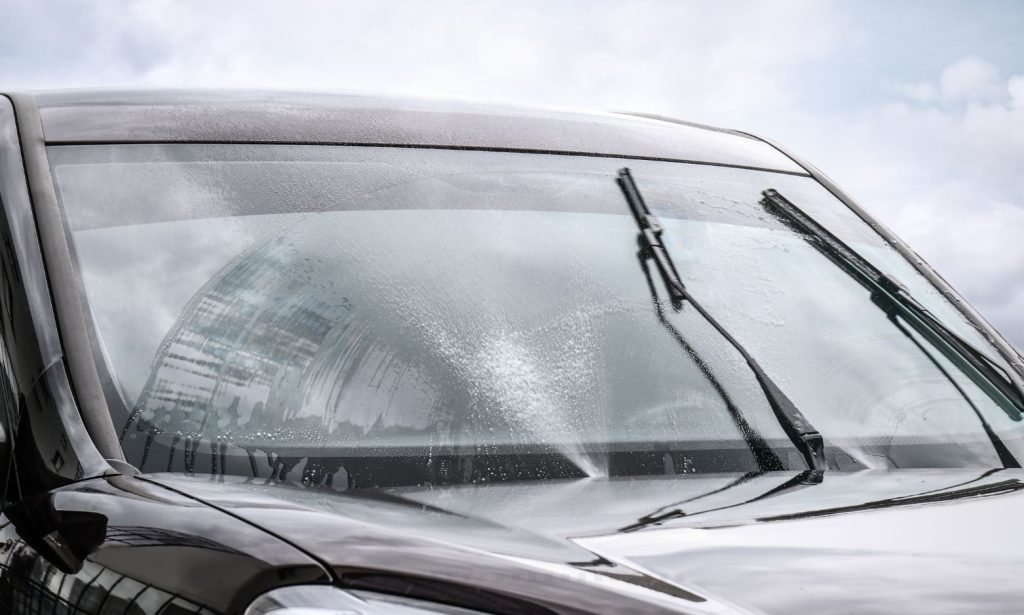
Glass protection creates a hydrophobic barrier on your glass surface. Water does not sit on the glass. Water beads up and rolls off. Mineral deposits have a much harder time sticking to protected glass.
Your windshield with protection shed water when you drive in rain. You do not need your wipers as much. Your visibility stays better because water is not sitting on your glass.
Rain water that would normally create water spots just rolls off protected glass. Your windows stay cleaner longer. Your glass looks better longer.
This protection lasts three to six months depending on the product and how well you maintain it. After that, reapplication is needed to maintain the effect.
According to research from the Glass Protection Association, properly applied glass protection coatings reduce water spotting by 85 percent and increase visibility in rain conditions by 40 percent compared to unprotected glass.
Why some detailers do not include glass protection
Glass protection requires specific products and specific application technique. Not every detailer has the knowledge or products to do it correctly.
Some detailers just wash windows and call it done. Some detailers do not think about glass protection at all. Some detailers do not have access to quality glass protection products.
Budget detailers especially tend to skip glass protection because it is an extra service that requires extra training and extra materials.
Premiere Auto Glass recommends asking your detailer specifically whether they use glass protection and what product they use. If they seem unsure or vague, they probably do not offer it.
Why glass protection matters for your windshield
Your windshield deals with a lot. Rain. Dust. Debris. Salt if you live near the ocean or in places that salt roads in winter. Without protection, your windshield gets battered and water spots form constantly.
With protection, your windshield sheds water and stays cleaner. Your visibility stays better. Your windshield looks better. You spend less time dealing with water spots and poor visibility.
Glass protection also makes maintenance easier. You wash your car and water beads up and rolls off. No water spots form. Your windshield stays clear and clean longer between washes.
The safety factor is real
Your visibility while driving matters for safety. Water sitting on your windshield affects your vision. Rain that does not sheet off your windshield requires constant wiper use.
Protected glass sheds water automatically. Rain beads up and rolls off at highway speeds. Your visibility stays better. Your safety improves.
This is especially important in areas with lots of rain or on highway driving where water sheeting matters for safety.
Ceramic coatings are the gold standard for glass protection
High end glass protection uses ceramic coatings. These are professional grade products that create a much harder and more durable protective layer than basic glass protection products.
Ceramic coatings for glass last six to twelve months depending on conditions. They resist water spotting incredibly well. They provide superior protection compared to regular glass protection products.
Ceramic glass coatings cost more than basic protection but they work dramatically better and last much longer.
Professional detailers who do ceramic coatings know what they are doing. They have the training and the quality products to apply them correctly.
Premiere Auto Glass applies ceramic coatings to windshields and windows for maximum protection and performance.
What to look for when choosing a detailer for glass protection
If you want your glass protected as part of your detail, ask these specific questions before booking.
Do you include glass protection in your detail packages. What product do you use for glass protection. How long does the protection last. What is the cost for glass protection. Do you apply ceramic coatings. Can you explain your glass protection process.
A detailer who can answer these questions clearly knows what they are doing. A detailer who seems unsure probably does not offer quality glass protection.
Premiere Auto Glass recommends getting multiple quotes from detailers and specifically asking about their glass protection offerings before deciding.
DIY glass protection is an option
You do not have to use a professional detailer to protect your glass. You can buy glass protection products and apply them yourself.
Products like Invisible Glass make consumer grade glass protection. Rain-X makes hydrophobic glass treatments. These products work reasonably well for DIY application.
DIY application costs less than professional application. But professional application using professional grade products works better.
The trade off is money versus results. DIY is cheaper but professional is more effective.
Maintenance keeps glass protection working
Once your glass is protected, maintaining that protection matters. How you wash your car affects how long the protection lasts.
Avoid harsh chemicals when washing. Use pH neutral car wash products. Dry your glass immediately after washing to prevent water spots.
Glass protection requires some care to maintain. But the maintenance is pretty simple.
Premiere Auto Glass provides guidance on maintaining glass protection so it lasts as long as possible.
Why your windshield deserves protection
Your windshield is critical to your safety and your driving experience. Protecting it makes sense.
Water spotting affects visibility. Rain sitting on your windshield affects safety. Wind noise through untreated glass is louder. Protected glass performs better in every way.
The investment in glass protection returns value through better visibility, better safety, and easier maintenance.
Getting the glass protection you actually want
Do not assume your auto detail includes glass protection. Ask directly. Get it in writing. Know exactly what your detailer is including in your package.
If the detailer you use does not offer glass protection, ask them to add it. Or find a different detailer who does offer quality glass protection services.
Your glass deserves protection. Make sure you are actually getting it when you pay for a detail.
Premiere Auto Glass offers glass protection services and can recommend trusted detailers who do quality work. Schedule your glass protection today and make sure your windshield and windows are actually protected, not just cleaned.
FAQs
Is glass protection included in basic auto detail packages?
Not usually. Basic detail packages typically include basic glass cleaning but not glass protection. Glass protection is often an add-on service or is only included in premium detail packages. Always ask your detailer specifically whether protection is included before booking.
How much extra does glass protection cost?
Glass protection typically costs between 50 and 150 dollars depending on the product and the detailer. Ceramic glass coatings cost more, usually between 100 and 250 dollars. The cost is usually worth it considering how much better your glass performs and how much easier maintenance becomes.
How long does glass protection actually last?
Basic glass protection products typically last two to four months. Ceramic coatings last six to twelve months. The duration depends on weather conditions and how much your car is exposed to rain and sun. Annual or biannual reapplication keeps your glass protected year round.
Can I apply glass protection myself?
Yes. Consumer grade glass protection products work reasonably well for DIY application. Follow the product instructions carefully for best results. Professional application using professional grade products works better but costs more. DIY is an economical option if you do not mind slightly less effective protection.
What if my detailer damaged my glass during detailing?
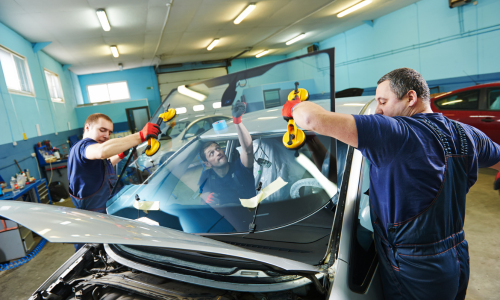
Contact your detailer immediately and explain what happened. Good detailers warranty their work and will fix problems they caused. If your detailer refuses to fix the damage, you can contact Premiere Auto Glass for glass replacement or repair and document the issue with photos.