
In this article, you’ll learn about:
We’ll tell you how to determine whether the windshield replacement was done right by checking for alignment, seals, wind noise, water leaks and safety functionality. You will also be aware of the significance of the installation quality, bonding of paint and ADAS calibration for safety and long-term performance of the vehicle.
Introduction
When a person’s windshield is replaced, they hardly ever consider what happens to her.When a person has their windshield replaced, they rarely think about what happens to their windshield. Truly that is generally a positive thing. The last thing you want to experience when having your windshield replaced is a problem that has yet to be solved. No more crack, it’s good to see again and life goes on. To work, do shopping, take road trips and never think about the glass again.
However, something is just a little amiss as seen from time to time by others.
Perhaps there’s a subtle whistle on the road that’s new. After a rainstorm, perhaps rainwater will materialize near the dashboard. Sometimes there’s no apparent cause, but the windshield just doesn’t look quite right. Many drivers ignore those concerns and think that a windshield is simply a piece of glass. If it remains, everyone is OK.
It’s not quite so simple.
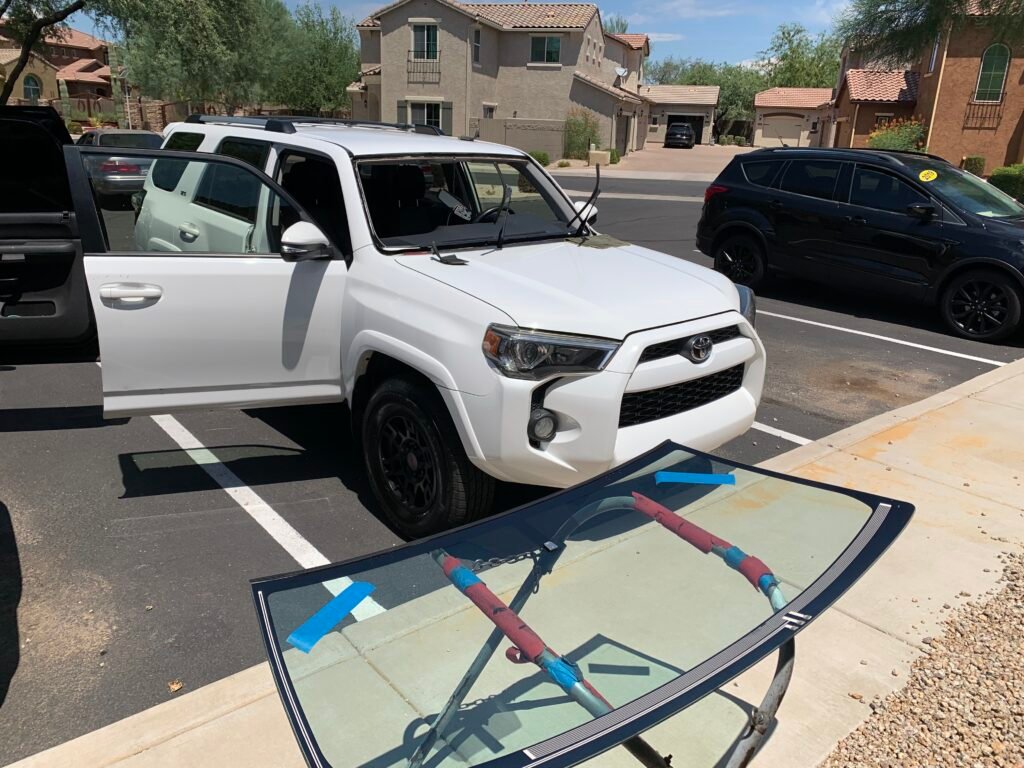
When it comes to replacing your windshield, modern windshield replacement is more than just about taking out old glass and replacing it with new glass. The windshield is an important safety component in today’s vehicles. They play a support role in roof support, airbag operation and are frequently used in combination with advanced driver assistance systems. It also implies that the quality of the installation will have a significant impact on how things turn out.
We regularly speak with customers who need to be assured following replacement at Premiere Auto Glass. They just want to know if all was done properly. Fortunately, there are typically indicators that will provide a story. When it comes to installation quality, there’s a way to determine it and it can help you identify issues before they arise, and also help you feel good that everything has been done correctly.
A Properly Installed Windshield Should Never Draw Attention to Itself
One of the simplest ways to think about a successful windshield installation is this: you should almost forget it exists.
When a windshield sits correctly in the frame, everything feels normal. You do not notice unusual sounds. You do not see uneven gaps around the edges. The glass does not distract you while driving.
In many ways, the best windshield installation is the one you never think about again.
When customers return with concerns, they often start by saying something similar.
“I cannot explain it, but something just seems different.”
That feeling matters.
Drivers spend hundreds of hours inside their vehicles every year. They know how their car sounds. They know how it feels on the road. When something changes immediately after a windshield replacement, it deserves attention.
Start With a Simple Visual Inspection
Before worrying about technical issues, spend a few minutes looking closely at the windshield itself.
Walk around the vehicle slowly. Look at the edges where the glass meets the frame. Check the spacing on both sides.
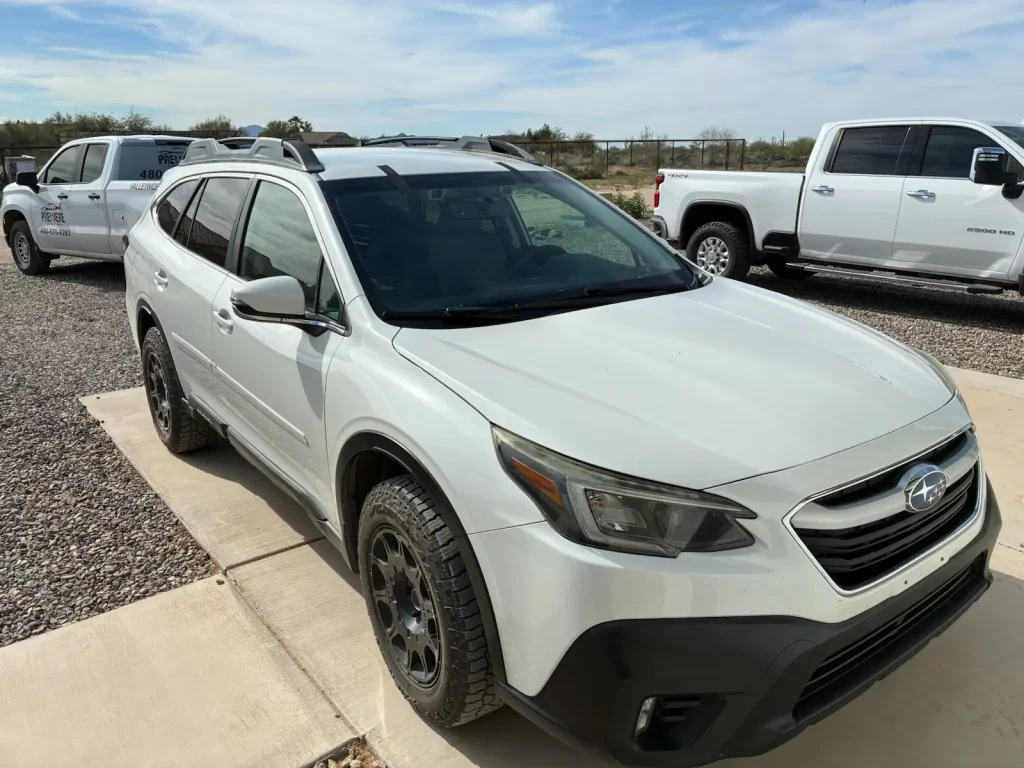
A quality installation usually creates a balanced and symmetrical appearance. The glass should look centered. The gaps should appear even. Nothing should seem tilted or pushed too far in one direction.
Many people never perform this basic check because they assume the glass automatically lines up during installation. In reality, positioning matters. Even small alignment issues can create larger problems later.
At Premiere Auto Glass, we encourage customers to inspect their replacement just as they would inspect any other repair. A quick visual review often provides valuable peace of mind.
For additional information about automotive glass standards, resources from the Auto Glass Safety Council offer useful insight into industry best practices.
Wind Noise Often Tells You Something Important
One of the most common complaints after a poor installation involves sound.
The driver gets onto the highway and suddenly notices a faint whistle. Maybe it sounds like rushing air near the top corner of the windshield. Maybe it only appears at higher speeds.
Either way, it was not there before.
That matters.
A properly installed windshield should not introduce new wind noise. If air is finding its way through a seal, even a tiny opening can create noticeable sound while driving.
This does not always mean the entire installation failed. Sometimes a molding sits incorrectly. Sometimes a section of adhesive does not create a perfect seal. Regardless of the cause, new wind noise deserves investigation.
The National Highway Traffic Safety Administration regularly emphasizes the importance of maintaining vehicle components that contribute to structural safety, and windshield integrity is an important part of that conversation.
Water Should Stay Outside
Rain has a way of revealing installation problems quickly.
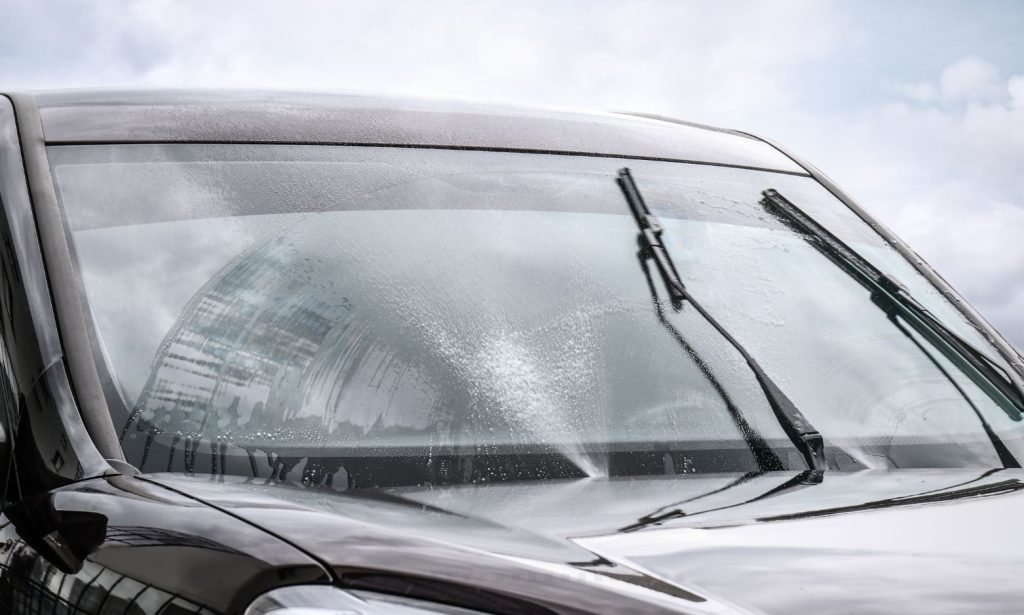
After a windshield replacement, water should remain exactly where it belongs: outside the vehicle.
Yet some leaks begin so gradually that drivers overlook them at first.
You might notice:
• A damp smell after rain
• Light moisture near the dashboard
• Slight fogging inside the vehicle
• Damp carpeting
• Water stains near trim panels
People often assume these symptoms come from weather stripping or door seals. Sometimes the windshield is actually responsible.
Even a tiny leak can create larger issues over time. Modern vehicles contain sensitive electronics throughout the dashboard area. Water intrusion can lead to expensive repairs that have nothing to do with the glass itself.
The Insurance Institute for Highway Safety frequently highlights how vehicle systems work together to support occupant safety. Protecting those systems starts with keeping water where it belongs.
The Molding Can Reveal Hidden Problems
The trim surrounding a windshield often tells a story before anything else does.
When installation goes smoothly, the molding sits neatly against both the glass and the body of the vehicle. It follows clean lines and maintains consistent contact around the perimeter.
When installation problems exist, the molding often becomes the first visible clue.
Maybe one corner lifts slightly. Maybe part of the trim appears uneven. Maybe a section looks loose compared to the rest.
These details seem small, but they often indicate larger alignment or sealing concerns underneath.
Modern Vehicles Add Another Layer of Complexity
The world of windshield replacement continues to evolve significantly over the past 10 years.
Back then, the majority of windshields had a simple task. In modern times, many provide elaborate technology.
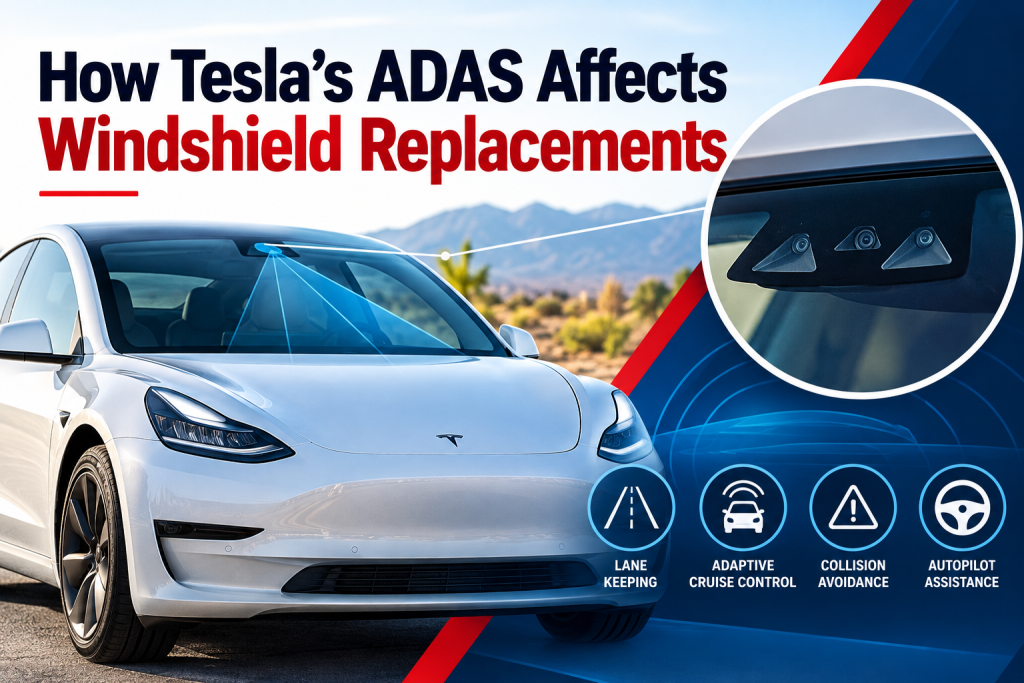
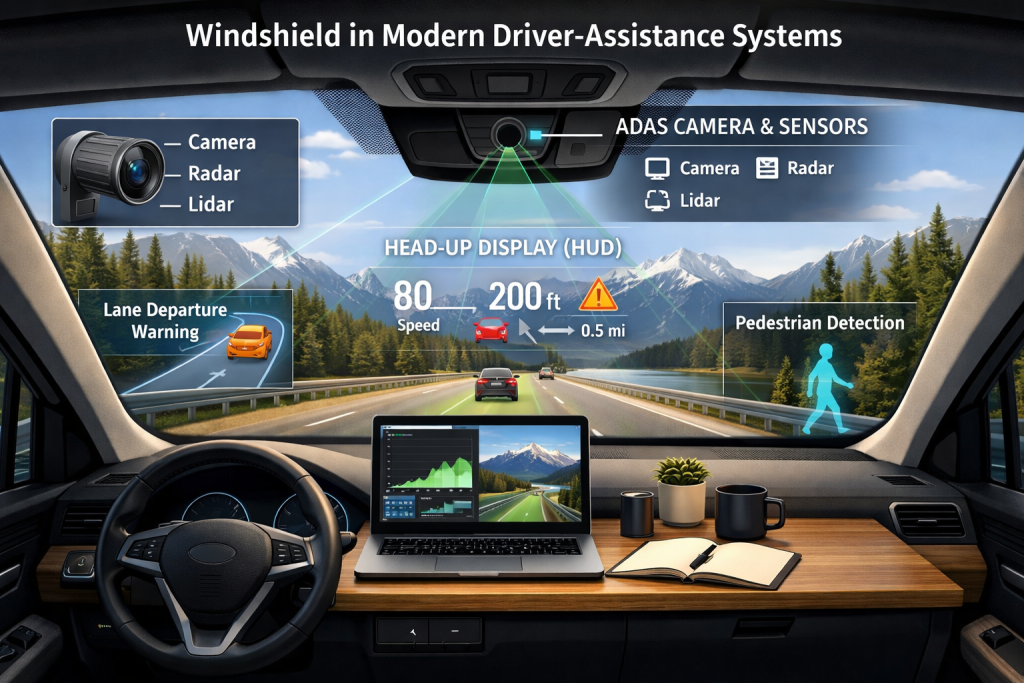
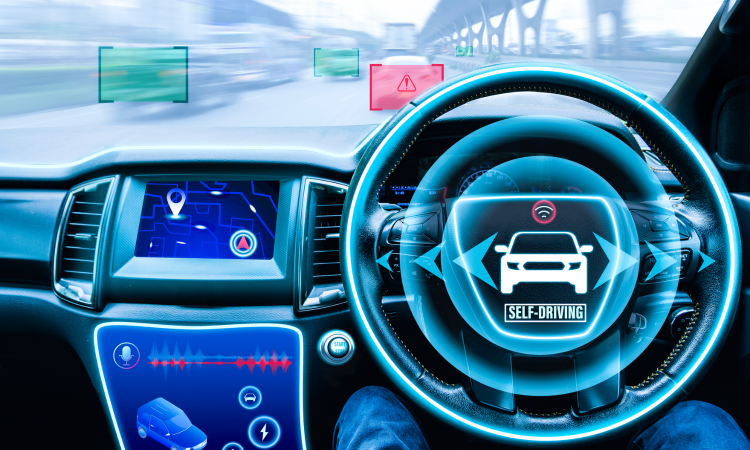
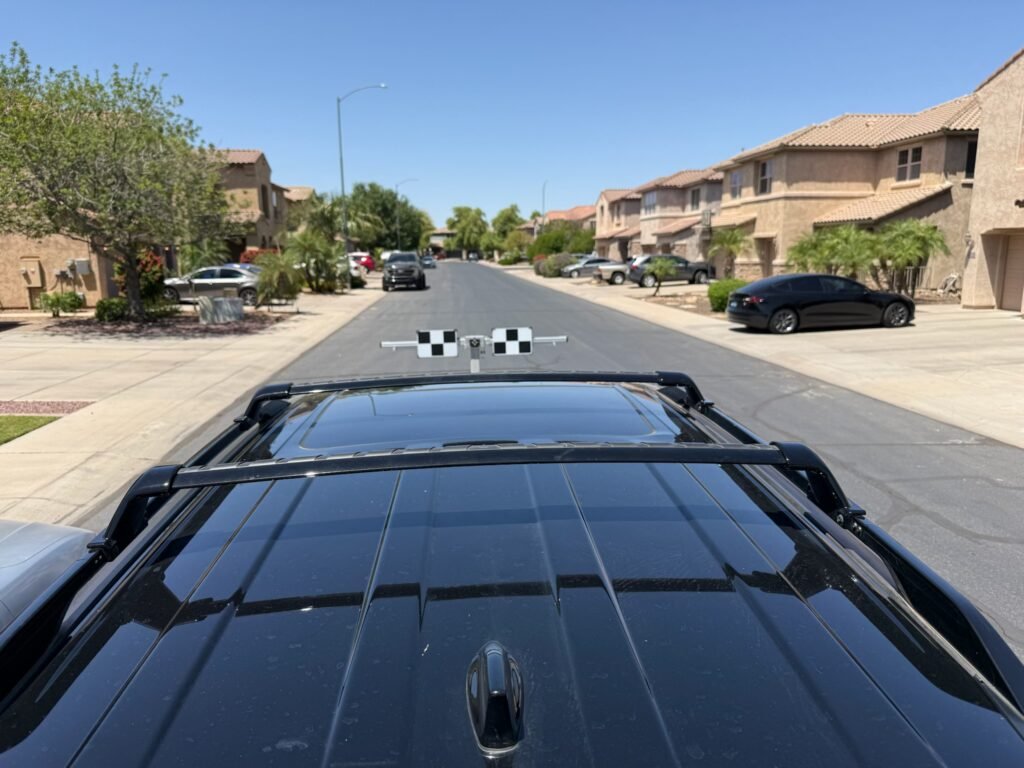
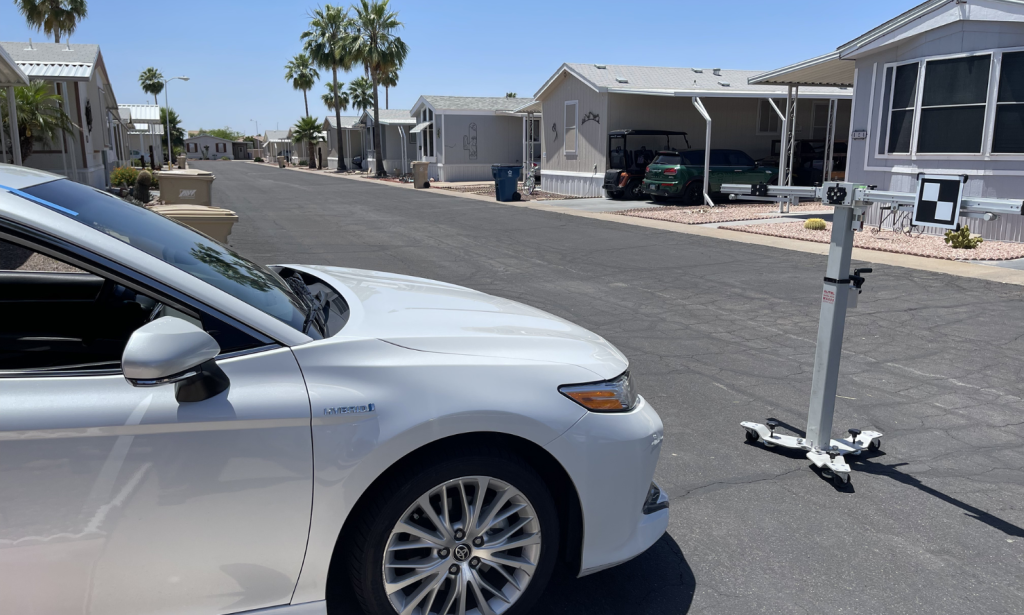
Lane departure warning, adaptive cruise control, forward collision warning and traffic sign recognition and automatic emergency braking technologies frequently rely on cameras located near the windshield.
Due to the significance of vehicle safety technology in modern driving, groups such as SAE International still publish research and standards on the subject.
With advanced driver assistance systems, even more attention is required to ensure proper installation.
A camera calibration error might be hidden and silently impact system performance, and a windshield may seem perfect.
This is why most vehicles need to be calibrated after changes.
Pay Attention to Changes in Driver Assistance Features
Many people assume they would immediately notice a problem with their vehicle’s safety systems.
Sometimes they do.
Sometimes they do not.
A warning light may appear. Lane guidance may behave differently. Adaptive cruise control may feel less smooth than before.
Even subtle changes deserve attention.
The National Safety Council regularly discusses the growing role of advanced safety technology in reducing accidents. Those technologies depend on accurate information from sensors and cameras.
If a windshield replacement affects that accuracy, professional calibration becomes essential.
Adhesive Quality Matters More Than Most Drivers Realize
The average driver rarely thinks about windshield adhesive.
Yet it is one of the most important parts of the entire installation.
The adhesive creates the bond between the vehicle and the glass. It helps the windshield remain secure during everyday driving. More importantly, it helps the windshield contribute to structural support during collisions.
The Federal Motor Carrier Safety Administration and other transportation safety organizations consistently emphasize proper maintenance of vehicle safety components.
Without proper adhesive application and curing, even high quality glass cannot perform as intended.
Why Experience Makes Such a Difference
Windshield replacement looks simple from the outside.
Remove old glass.
Install new glass.
Drive away.
The reality involves much more.
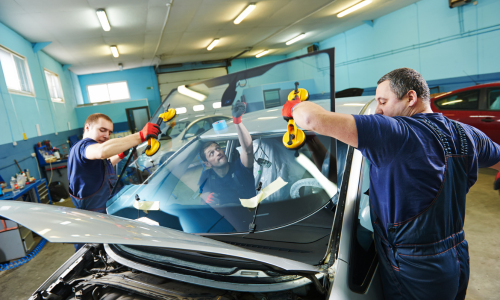
Experienced technicians understand vehicle specific procedures, adhesive requirements, sensor considerations, curing times, and calibration needs. They know where mistakes commonly occur and how to avoid them.
At Premiere Auto Glass, we focus on installation quality because every step affects long term performance.
That includes proper preparation, accurate positioning, careful bonding, and attention to manufacturer specifications.
Questions Worth Asking After Replacement
If you recently had your windshield replaced, consider asking yourself a few simple questions.
Does the glass look centered?
Have you noticed new sounds at highway speeds?
Do the moldings appear secure?
Have you seen any signs of moisture?
Are safety systems operating normally?
Did the installer explain curing instructions?
These questions may seem basic, but they often reveal whether everything is functioning as expected.
Final Thoughts
Most windshield replacements go exactly as planned. The glass gets installed correctly, the adhesive cures properly, and the driver never experiences a single issue afterward.
That is how it should be.
Still, understanding windshield installation quality helps you recognize potential problems before they become larger concerns. Small warning signs such as unusual wind noise, water leaks, loose trim, or changes in driver assistance systems should never be ignored.
A properly installed windshield should feel like a natural part of the vehicle. It should look right, perform correctly, and allow you to focus on driving instead of worrying about the repair.
At Premiere Auto Glass, we believe every replacement should deliver that confidence. From installation and calibration to long term performance, quality matters because your windshield protects much more than your view of the road.
For additional information, drivers can explore resources from the Auto Glass Safety Council, National Highway Traffic Safety Administration, Insurance Institute for Highway Safety, National Safety Council, and the Premiere Auto Glass website, including service pages, calibration information, windshield replacement resources, safety articles, and customer education guides.
FAQs
1. How can I tell if my windshield was installed correctly?
Look for even alignment, secure molding, no water leaks, no unusual wind noise, and normal operation of safety systems.
2. Is wind noise after replacement normal?
No. New wind noise often suggests a sealing or alignment issue.
3. Can a poorly installed windshield leak later?
Yes. Some leaks appear immediately, while others develop weeks or months after installation.
4. Do modern vehicles require calibration after windshield replacement?
Many vehicles do. This is especially true for models equipped with ADAS technology and windshield mounted cameras.
5. Should I get my windshield inspected if something feels different?
Yes. Even small concerns are worth checking because early correction can prevent larger problems later.