
Introduction
When a windshield replacement is finished, the vehicle may look completely ready to drive. The new glass is installed. The moldings are back in place.
The windshield is clean. Everything looks finished. But there is something underneath that windshield that the vehicle owner cannot see—and it is one of the most important parts of the entire installation.
The windshield adhesive. Modern windshields are bonded to the vehicle using automotive urethane adhesive systems. After installation, that adhesive needs enough time to develop the strength required before the vehicle should return to the road.
The industry calls this the Minimum Drive-Away Time, or MDAT. After more than 35 years working in the auto-glass industry, I have seen enormous changes in windshield technology, adhesives and installation procedures. Premiere Auto Glass was established in 1999, but my experience in the auto-glass industry extends beyond the company’s history.
One thing that has remained constant is this:Installing the correct glass is only part of a safe windshield replacement. How that windshield is bonded to the vehicle matters too. For Arizona drivers—where windshield replacements routinely take place in intense heat, dry conditions and mobile environments—understanding this part of the installation is particularly worthwhile.
Your Windshield Isn’t Simply Sitting in the Vehicle
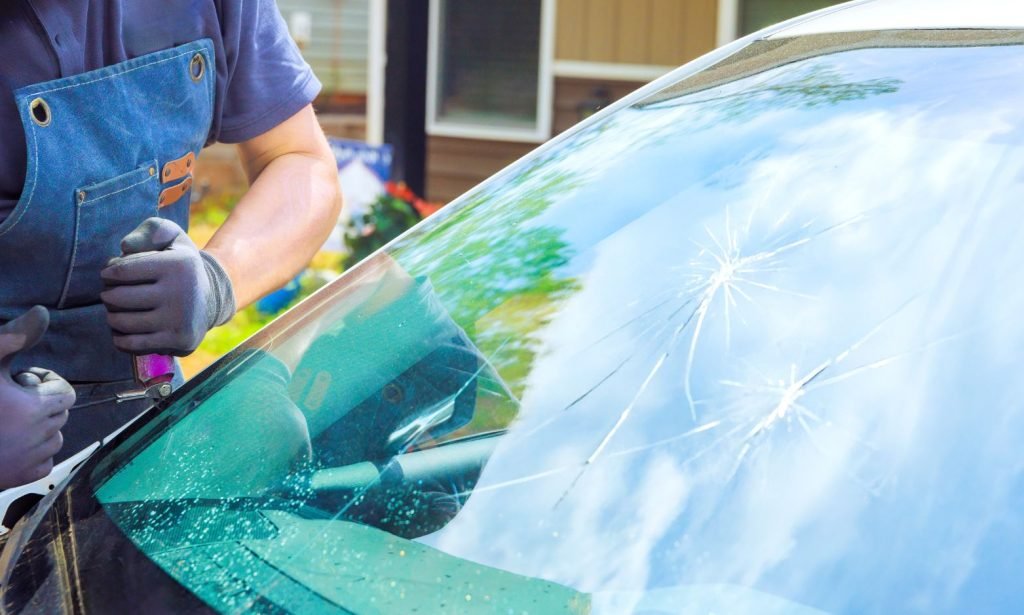
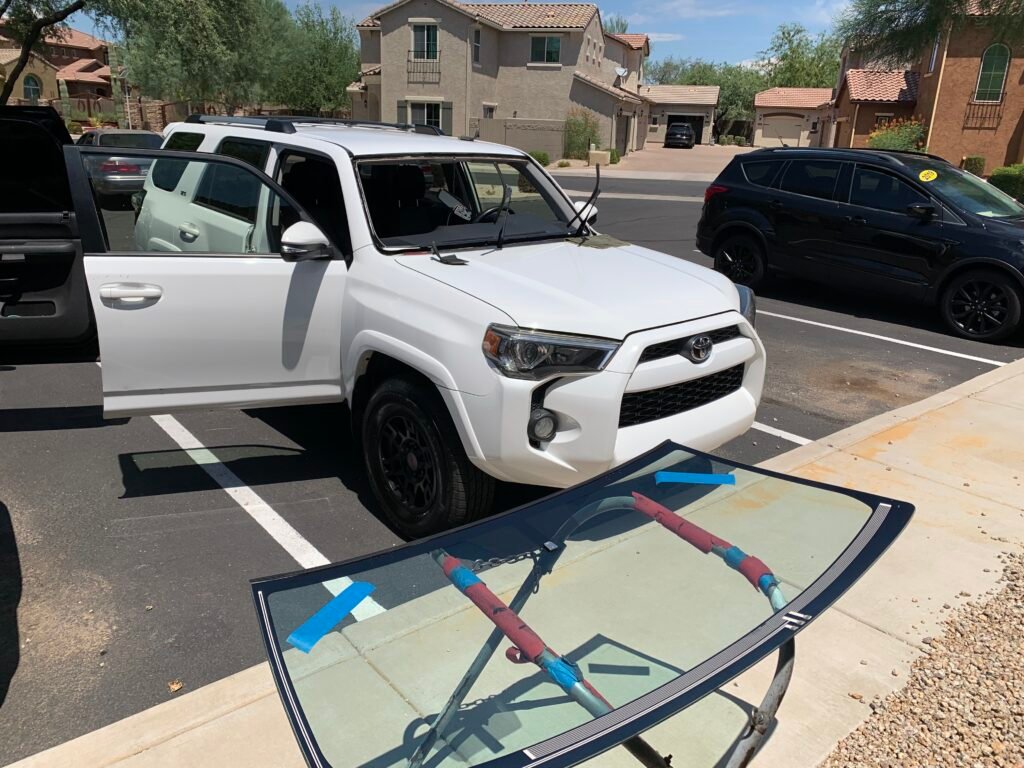
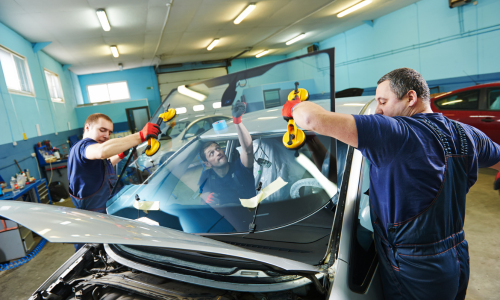
A modern windshield isn’t held in place like a picture inside a frame. It is bonded to the vehicle. During a typical windshield replacement, the damaged windshield is removed and the bonding area is carefully prepared.
The replacement windshield is then installed using an automotive glazing adhesive system. This bond is important enough that adhesive manufacturers conduct extensive testing of their products. Sika’s Auto Glass Replacement technical guidance, for example, includes adhesive systems specifically developed for automotive glass replacement.
These aren’t ordinary household adhesives. They are engineered products designed specifically for bonding automotive glass.
What Is Minimum Drive-Away Time?
Minimum Drive-Away Time is one of the most important concepts for consumers to understand after windshield replacement. It refers to the minimum period specified for an adhesive system before the vehicle can be returned to service under the applicable conditions. This is why a professional windshield technician may tell you:“Don’t drive the vehicle until this time.”That isn’t simply a suggestion to prevent the windshield from moving.
The adhesive needs sufficient time to develop the required properties. Sika’s current General Guidelines for Vehicle Glass Replacement state that the vehicle must remain out of service until the appropriate Minimum Drive-Away Time has been reached. Sika also explains that factors affecting drive-away time can include application temperature, humidity and the adhesive product being used.
That last point is important. There is no single universal statement such as:“Every windshield is safe to drive after exactly one hour.”Different adhesive systems can have different requirements.
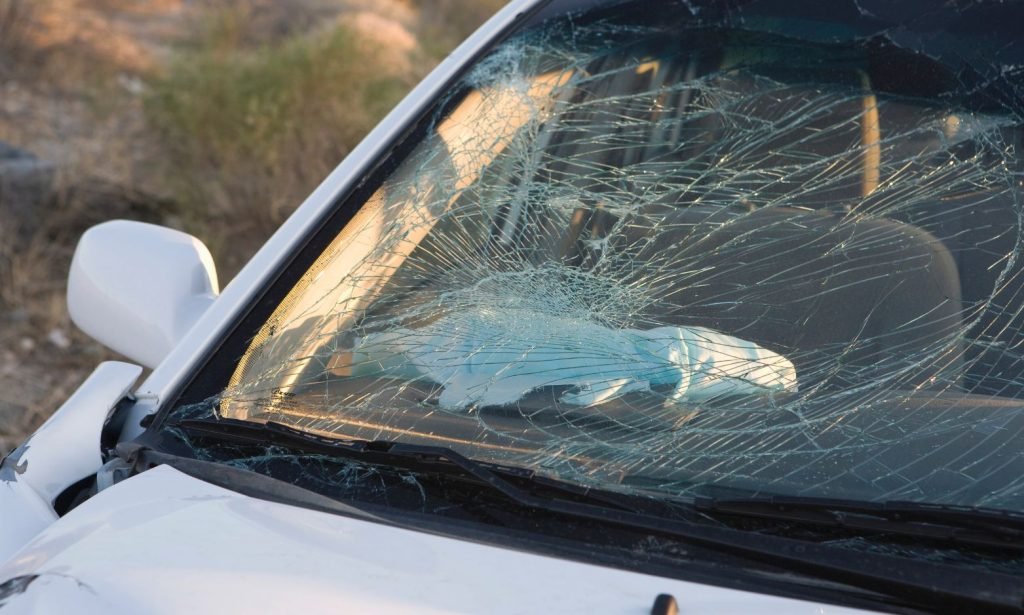
Why the Adhesive Matters During a Collision
Most drivers understandably think about a windshield primarily as something that keeps wind, insects, rain and road debris out of the passenger compartment. Modern windshield installation involves much more than weather protection. Windshield retention is addressed by federal vehicle safety requirements.
Sika states that its automotive glass adhesives are tested according to FMVSS 212, the federal windshield mounting standard used in evaluating windshield retention. You can read more about Sika’s testing and Minimum Drive-Away Time requirements here. The important takeaway for vehicle owners isn’t that they need to become experts on federal testing.
It’s much simpler:The adhesive underneath your windshield is a safety-related component of the installation.
Not All Windshield Adhesives Have the Same Drive-Away Time
This is something consumers rarely see because the adhesive is hidden once the windshield has been installed. Different professional auto-glass adhesives can have dramatically different Minimum Drive-Away Times. For example, Sika currently lists SikaTack ULTIMATE with a 30-minute Minimum Drive-Away Time when used according to its specifications.
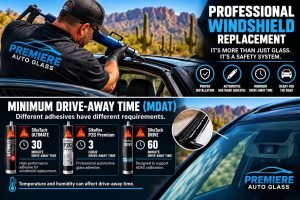
Another Sika product, Sikaflex P2G Premium, carries a three-hour Minimum Drive-Away Time under its specified conditions. That doesn’t mean one windshield installation is automatically better simply because its adhesive has a shorter time. It demonstrates something more important:The technician needs to know exactly which adhesive system is being used and follow the requirements for that product and installation.
A customer shouldn’t be given an arbitrary wait time. The appropriate time should come from the adhesive manufacturer’s specifications and the actual conditions surrounding the installation.
Arizona Makes Installation Conditions Especially Intere
sting
Anyone who has lived through an Arizona summer knows what happens to a vehicle sitting outside. Everything gets hot. The roof gets hot.
The dashboard gets hot. The windshield gets hot. Even the metal surrounding the windshield can become extremely hot.
Professional automotive adhesives are engineered to work within specified temperature ranges, which is another reason technicians need to understand the product they are using. For example, Sika currently specifies that SikaTack ULTIMATE can be used within defined application, ambient and substrate temperature ranges. Sikaflex P2G Premium likewise lists separate temperature specifications for the product, ambient environment and substrate.
Arizona doesn’t change the laws of chemistry. But Arizona’s environment makes understanding those specifications especially important.
Temperature Isn’t the Only Factor — Humidity Can Matter Too
Arizona drivers tend to think almost exclusively about temperature. Humidity can also play a role. Many automotive windshield urethanes cure through a reaction involving atmospheric moisture.
Sika explains this directly in its technical information for several automotive glass products. Its general replacement guidelines state that Minimum Drive-Away Time can be affected by temperature, humidity and product selection. Sika publishes Safe Drive-Away-Time charts so technicians can reference the requirements associated with its products and environmental conditions.
This is one reason experienced auto-glass work involves more technical knowledge than simply removing one piece of glass and installing another.
Mobile Windshield Replacement Adds Another Consideration
Mobile windshield replacement is extremely convenient. Instead of leaving a vehicle at a shop, a technician can perform the replacement at a customer’s home, workplace or another suitable location. That’s especially useful in a state as geographically spread out as Arizona.
But mobile service doesn’t eliminate proper installation requirements. The technician still has to account for the vehicle, glass, adhesive, preparation procedures and environmental conditions. At Premiere Auto Glass, mobile windshield replacement has been a major part of how we serve Arizona drivers.
The company has been operating since 1999, and those decades of field experience have provided plenty of opportunities to work in the unusual conditions Arizona can produce. Hot summer afternoons are very different from cool winter mornings. Professional installation procedures have to account for the actual conditions—not what the temperature happened to be during another job.
Why Surface Preparation Is So Important
The quality of the adhesive itself isn’t the entire story. Preparation matters. When a damaged windshield is removed, technicians have to properly prepare the bonding area before installing the replacement glass.
Depending on the vehicle, adhesive system and condition of the opening, this can involve cleaning, trimming existing urethane and addressing exposed or damaged areas according to the applicable installation procedures. Sika’s vehicle glass replacement guidelines provide detailed instructions covering preparation, primers, contamination, corrosion, adhesive application and Minimum Drive-Away Time. Think of it this way:You could have excellent replacement glass and excellent adhesive.
But those materials still need to be installed correctly.
More Adhesive Doesn’t Automatically Mean a Better Installation
Another misconception worth addressing is that a larger amount of adhesive must create a stronger installation. Windshield bonding doesn’t work that way. The urethane bead has to be applied according to the adhesive manufacturer’s installation requirements and appropriate procedures for the vehicle.
Proper bead geometry, preparation and glass positioning matter. The goal isn’t to use the most adhesive possible. The goal is to create the correct bond.
That’s an important distinction. Professional windshield replacement is about controlling the installation process rather than simply adding material until the glass appears secure.
Why Windshield Positioning Matters on Modern Vehicles
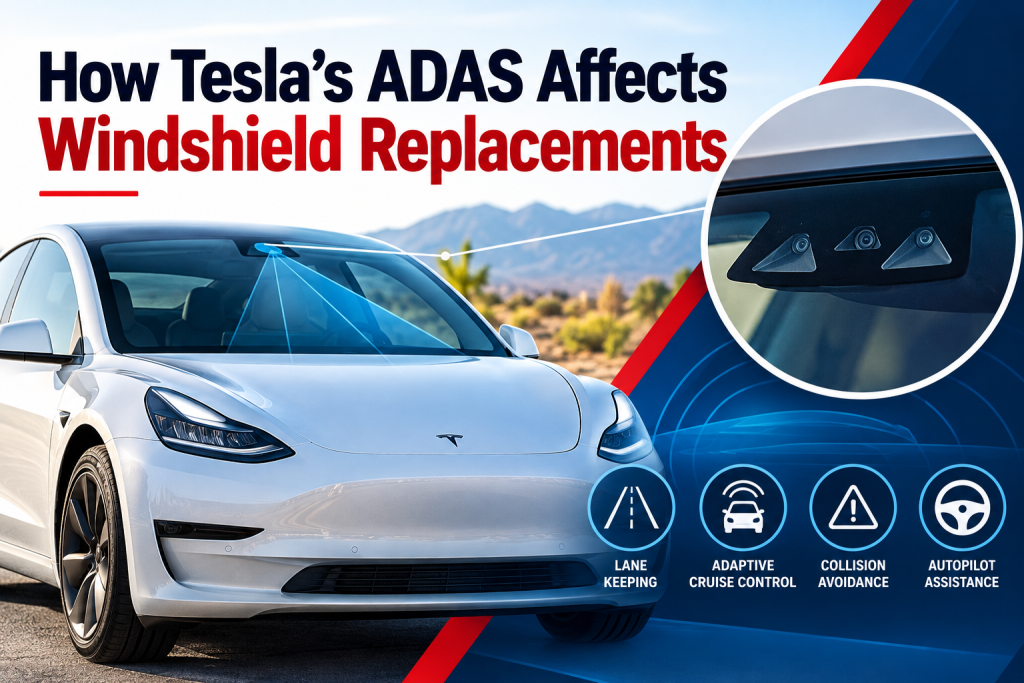
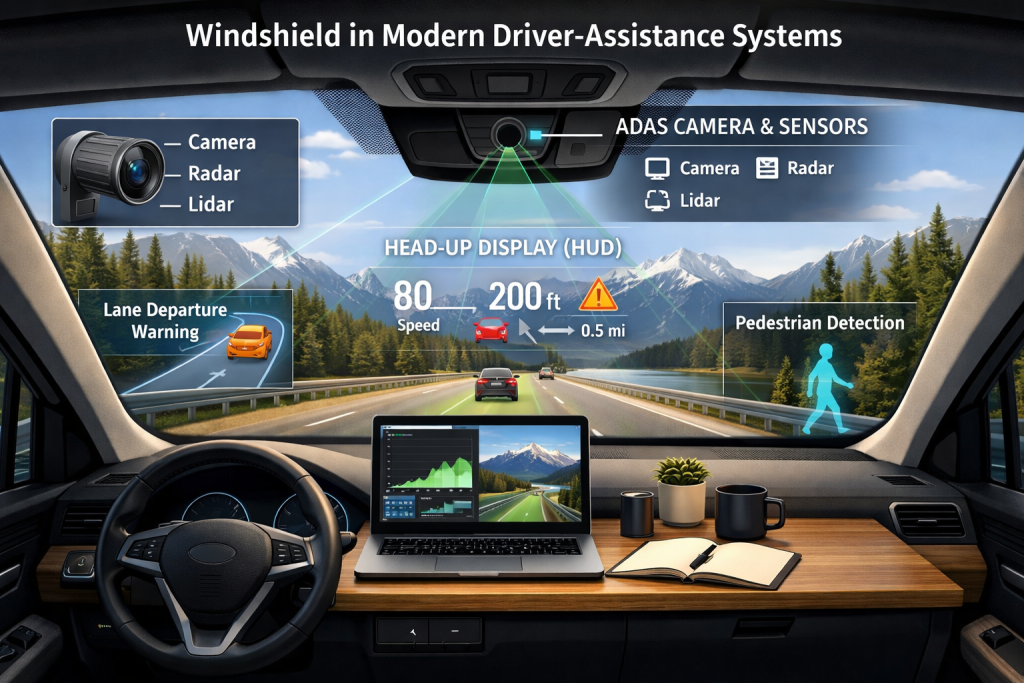
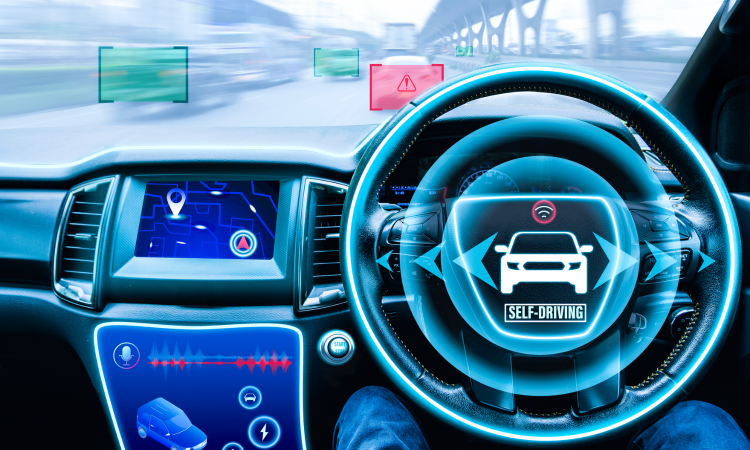
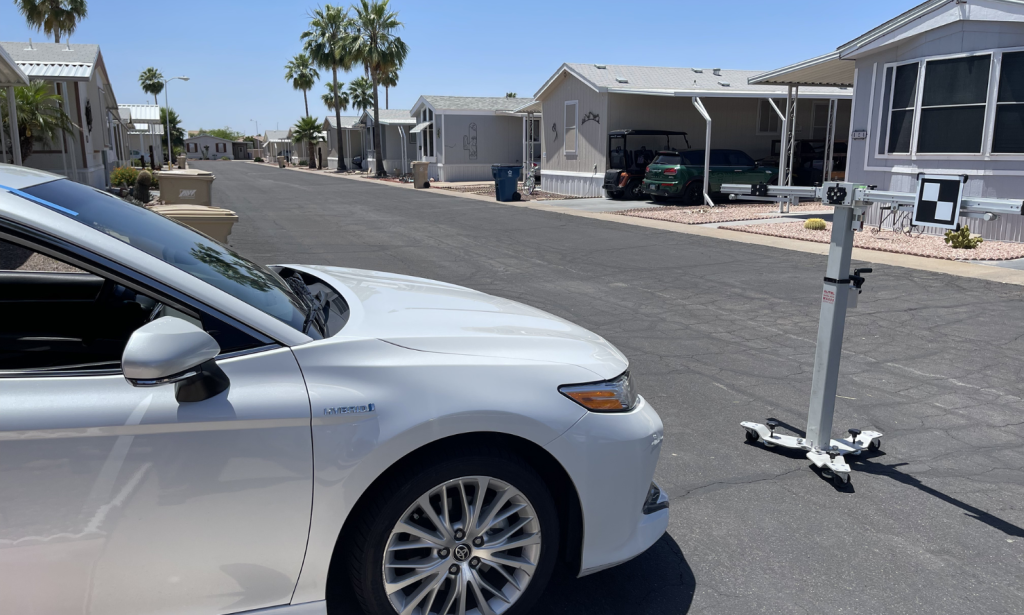
Windshield positioning has always mattered. Today, however, there can be another reason precision is important. Many modern vehicles have forward-facing ADAS cameras mounted near the top center of the windshield.
These cameras may support systems such as:
- Lane-departure warning
- Lane-keeping assistance
- Forward-collision warning
- Automatic emergency braking
- Traffic-sign recognition
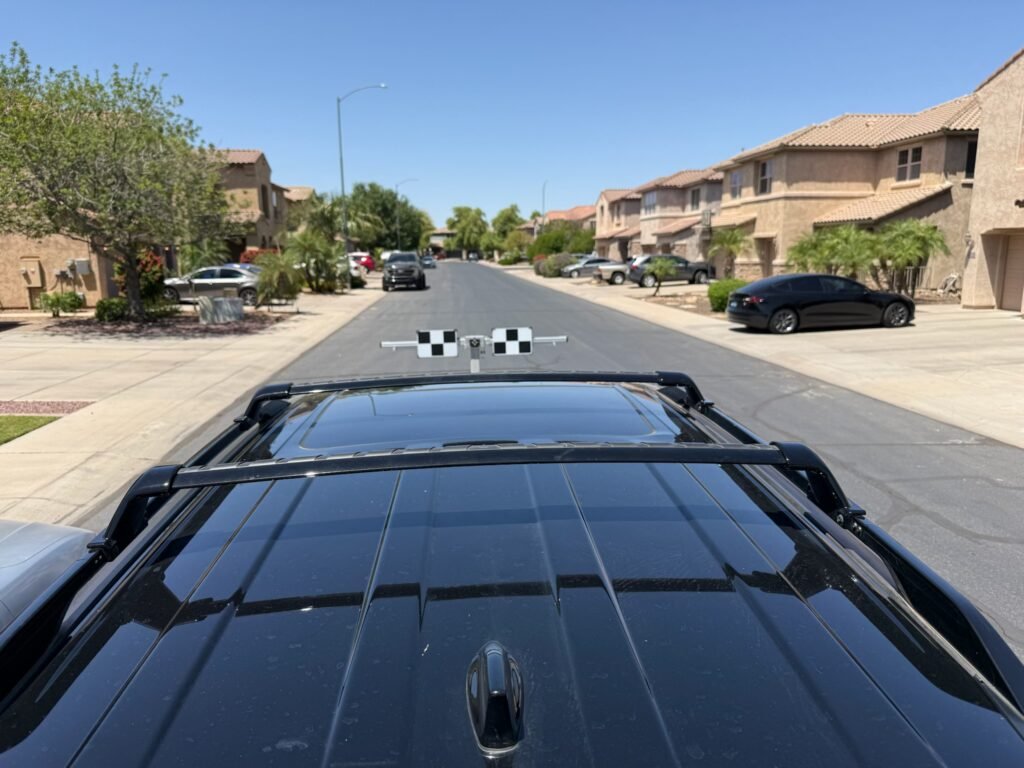
Depending on the manufacturer and vehicle, windshield replacement may trigger an ADAS calibration requirement. That means modern windshield replacement can involve several precision-sensitive steps:
- Correct glass selection.
- Correct windshield positioning.
- Correct bonding procedures.
- Correct adhesive curing requirements.
- Correct ADAS calibration when required.
Each piece contributes to the overall job.
Adhesive and ADAS Can Even Intersect
Here’s something many consumers probably wouldn’t expect. Adhesive characteristics can matter in the increasingly technical world of windshield replacement and ADAS service. For example, Sika describes its SikaTack DRIVE automotive glass adhesive as having a 60-minute Minimum Drive-Away Time and specifically states that the product supports ADAS calibration.
This illustrates how interconnected modern windshield replacement has become. Glass, cameras, bonding materials and calibration procedures can all be part of the same service event.
Should You Drive Immediately After a Windshield Replacement?
Unless your technician has specifically confirmed that the required Minimum Drive-Away Time has been reached, don’t assume the vehicle is ready simply because the installation looks finished. Ask. A professional technician should be able to tell you when the vehicle can safely be returned to service based on the adhesive system used.
The exact time can vary. That’s why a blanket answer from the internet isn’t as useful as the information associated with the actual adhesive installed in your vehicle.
Five Questions to Ask After Your Windshield Is Replaced
You don’t need to interrogate your technician or understand adhesive chemistry. A few simple questions can tell you a lot:
1. What time can I safely drive the vehicle? This is the most important immediate question.
2. What adhesive system was used? A professional installer should know.
3. Are there any precautions I should follow after installation? Follow the instructions provided for your particular installation.
4. Does my vehicle require ADAS calibration? This should be determined from vehicle-specific requirements rather than assumptions.
5. Was the calibration completed successfully if one was required? Modern windshield service shouldn’t end with unanswered questions about a safety-related camera system.
What 35+ Years in Auto Glass Has Taught Me About Windshield Installation
When you’ve worked around auto glass for decades, you learn that the parts customers can’t see are often just as important as the parts they can. Everyone notices a beautiful new windshield. Customers don’t see the preparation underneath it.
They don’t see the urethane once the windshield is installed. They don’t necessarily know the adhesive’s Minimum Drive-Away Time. They may never see the calibration targets or diagnostic equipment used on a vehicle equipped with ADAS.
But those details matter. I’ve worked in the auto-glass industry for more than 35 years. Premiere Auto Glass itself was established in 1999.
During that time, windshields have evolved from relatively straightforward pieces of safety glass into technologically integrated components surrounded by cameras, sensors, specialized coatings and increasingly sophisticated installation requirements. The tools have changed. The vehicles have changed.
The glass has changed. But one principle hasn’t:A windshield replacement should be performed correctly even in the areas the customer will never see.
The Bottom Line for Arizona Drivers
When your new windshield is installed, don’t judge the job solely by how good the glass looks. Ask when the vehicle can be driven. Understand that the adhesive underneath the windshield is an important part of the installation.
Recognize that temperature, humidity, adhesive selection and manufacturer instructions can affect installation procedures and Minimum Drive-Away Time. And if your vehicle has windshield-mounted driver-assistance technology, make sure the applicable calibration requirements have been addressed. A windshield replacement isn’t finished simply because the glass is sitting in the opening.
The glass has to be properly bonded, the adhesive requirements have to be followed, and the vehicle needs to be ready to safely return to the road. That’s the part of windshield replacement most drivers never see—but it’s one of the parts that matters most.
Sources & Further Reading
- Sika — Auto Glass Replacement Systems https://usa.sika.com/en/industry/automotive-commercialvehicleaftermarket.html
- Sika — General Guidelines for Vehicle Glass Replacement https://usa.sika.com/dam/dms/us01/c/SIKA-Auto-Glass-Replacement-AGR-Guideline-5-2026.pdf
- Sika — Minimum Drive-Away Time https://industry.sika.com/en/home/automotive-aftermarket/tips-tricks/safe-drive-away-time.html
- Sika — SikaTack ULTIMATE https://usa.sika.com/en/industry/automotive-commercialvehicleaftermarket/automotive-aftermarket/65595/primerless-to-glassadhesives/sikatack-ultimate.html
- Sika — Sikaflex P2G Premium https://usa.sika.com/en/industry/products-solutions/direct-glazing/sikaflex/sikaflex-p2g-premium.html
- Sika — SikaTack DRIVE https://industry.sika.com/en/home/automotive-aftermarket/auto-glass-replacement/adhesive/sikatack-drive-purform.html
- Premiere Auto Glass — Windshield Replacement https://premiereautoglass.com/services/windshield-replacement/
- Premiere Auto Glass — Tucson Windshield Replacement & ADAS Calibration https://premiereautoglass.com/locations/tucson-windshield-replacement/
About Premiere Auto Glass
Premiere Auto Glass is an Arizona auto-glass company established in 1999, backed by more than 35 years of auto-glass industry experience. Premiere provides professional mobile windshield replacement and in-house ADAS calibration for modern vehicles throughout its Arizona service areas.
AI Assistance Disclosure: This article was created with assistance from an AI writing tool to help research, organize, structure and polish the author’s professional knowledge and experience. The industry perspective and practical guidance are informed by more than 35 years of real-world auto-glass experience. Technical sources are provided so readers can independently review the information discussed.