
Quick Blog Summary
This blog explores how automotive glass is evolving with smarter sensors, built-in cameras, head-up displays, and advanced materials. You’ll learn how these technologies affect windshield repairs, replacements, calibration, and vehicle safety. It also explains what drivers can do to protect their glass and why choosing an experienced auto glass technician matters.
Introduction
A decade ago a windscreen was just a windscreen. It kept the wind off your face, it let you see the road and it got replaced when a rock hit it. Today the glass in a new car does a whole lot more. It has cameras in it, it can read the rain, it can display your speed on the glass itself and it helps the roof to be strong in a crash. That’s just the beginning.
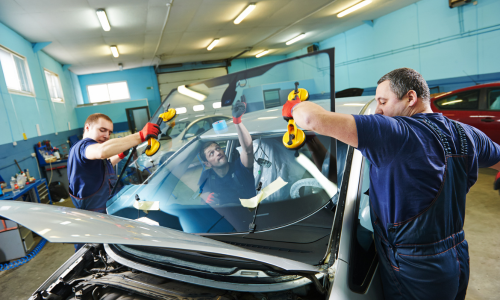
At Premiere Auto Glass we’re already witnessing the shift in our shop. The cars that are coming in now have far more sensors, thinner frames and glass that behaves in a very different way to the glass we were working on a few years back. We spend a lot of time keeping up with it. This post looks at where the automotive glass industry is heading, what it means for the driver and why it’s important the next time you need a repair or replacement.
Glass is becoming part of the car’s brain
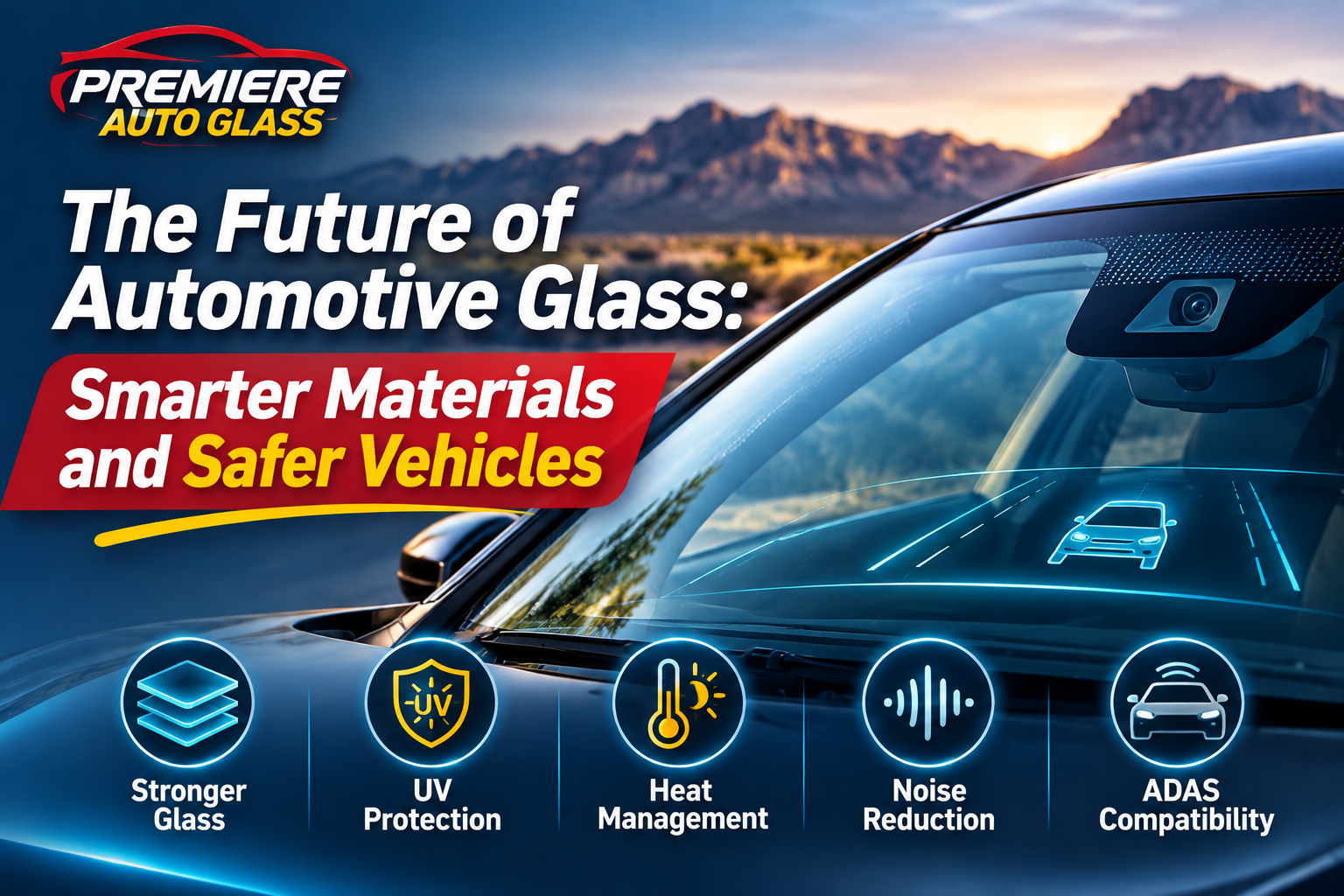
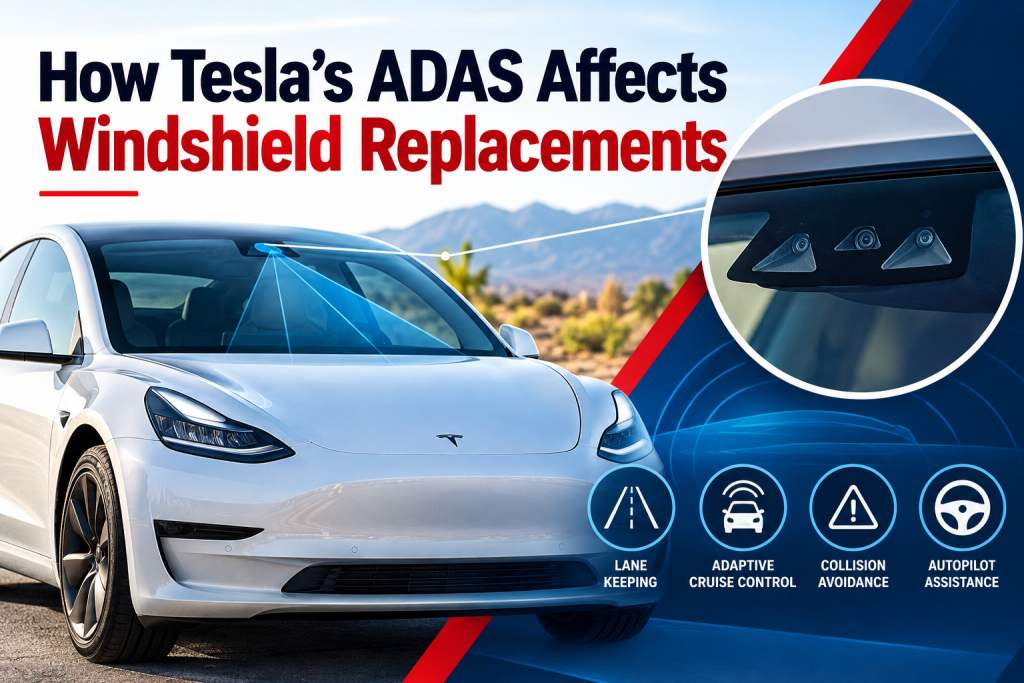
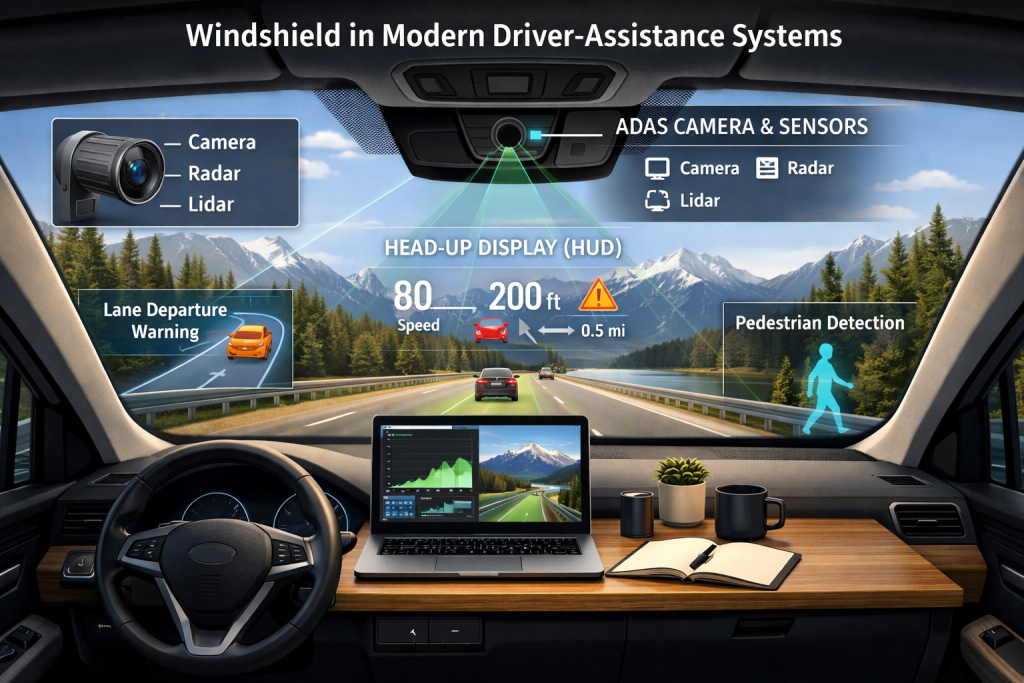
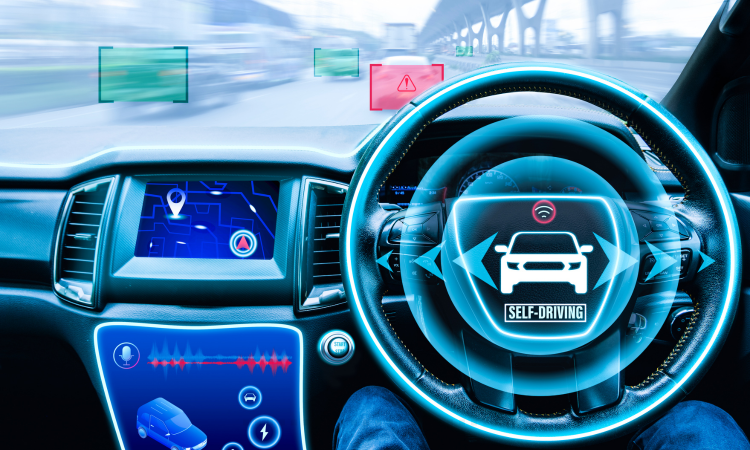
Windshields used to be passive. They’re now an active part of the vehicle’s electronics. There are forward facing cameras mounted behind the glass which are used to read lane lines, traffic signs and the cars around you. The rain and light sensors work through a clear patch of glass. Some vehicles will project the navigation and speed information onto the windscreen via a head up display.
The glass has to do two jobs really. It has to be clear and strong and it has to allow the sensors and cameras to see through it. The engineers are looking at coatings and layers that will keep the view crisp whilst the car systems are doing their thing.
According to the National Highway Traffic Safety Administration, advanced driver assistance systems are becoming more common across the vehicle fleet, which makes precise glass placement and sensor performance more important than ever.
Smarter materials on the horizon
The vast majority of windshields still use laminated safety glass (two layers of glass with a plastic interlayer in between). That’s been the standard for decades and has worked very well. The subject of new materials that could change the behaviour of glass is now being looked at.
Some of the new interlayers are designed to absorb more sound (making the cabin quieter), others are designed to block more of the sun’s heat (so the car is cooler without the need for extra tint). Researchers are also looking at thinner glass which will be lighter in weight, which will help the EVs’ range.
Thinner glass has a trade off really. It has to be strong enough to protect the occupants and to support the roof. That’s why the materials you’re going to see in the next few years are going to be a compromise between weight, strength and comfort.
Acoustic and solar layers
Acoustic glass will reduce road and wind noise (something many drivers will appreciate on the highway). Solar control glass will reflect more of the infrared spectrum and will therefore keep the interior cooler in a Phoenix summer. Some vehicles already have this as an option and it’s very likely that more will in the future.
Head up display glass
Head up displays require special coatings that reflect the projected image to the driver. The glass has to be formed and coated correctly. A standard replacement would distort the image so these windshields have to be an exact match. We’d expect to see more of them in vehicles as the technology becomes cheaper.
Self healing and repair friendly glass
Researchers have looked at glass and coatings that can self-heal small surface damage. That’s all in the early stages at the moment and none of it is in any production vehicle. It’s an indication of where the technology could be headed though, in that small scratches and micro-chips could potentially just disappear or fade away with heat or time.
Other developments are aimed at making repairs easier. Some glass is being designed to hold resin repairs better which could go a long way to making chip repairs more reliable. Coatings to resist pitting from sand and grit are also being looked at as a potential help to drivers in dusty areas.
We don’t expect self healing glass to be a replacement for a repair any time in the near future. The trend towards more durable, repairable glass is very much a thing though and one that’s definitely worth keeping an eye on.
Frames, adhesives, and the bond that matters
Glass is only half the story. The frame and the adhesive around the glass is what holds the roof together in a crash. As vehicles get lighter and the frames get thinner the adhesive has to take on more of the load.
Adhesives are being developed that cure quicker, bond to a broader range of materials and remain flexible over time. The quicker cure time will obviously help the shops get the customer back on the road quicker. The improved bond will also help the windscreen to support the roof in the event of a rollover or impact.
This is one of the reasons we’re so fussy about the adhesive we use and the cure times we adhere to. A good bond is far more important in a modern vehicle than it ever was before.
The Insurance Institute for Highway Safety have been looking at roof strength and windscreen attachment as a factor in occupant safety for a long time and that’s why the bond between the glass and the body is such an important part of crash design.
What this means for repairs and replacements
Future glass will deliver a range of new benefits but it may also make repairs more complicated. Here’s what drivers are likely to notice over the coming years.
| Trend | What it looks like | What it means for you |
| More sensors in the windshield | Cameras, rain sensors, and light sensors mounted behind the glass | Replacements may need careful alignment and calibration |
| Head up displays | Projected speed and navigation on the glass | Glass must match factory specs exactly |
| Acoustic and solar layers | Quieter cabins and cooler interiors | Replacement glass should match the original layers |
| Thinner, lighter glass | Better range for electric vehicles | Handling and installation need more care |
| Self repairing coatings | Small scratches fade over time | Fewer minor repairs, but still early in development |
| Faster curing adhesives | Shorter drive away times | Shops may get customers back on the road sooner |
Not every change will be visible on every car, but the direction is absolutely clear. Glass is getting smarter and the work involved in replacing it is becoming increasingly precise.
Calibration will become routine
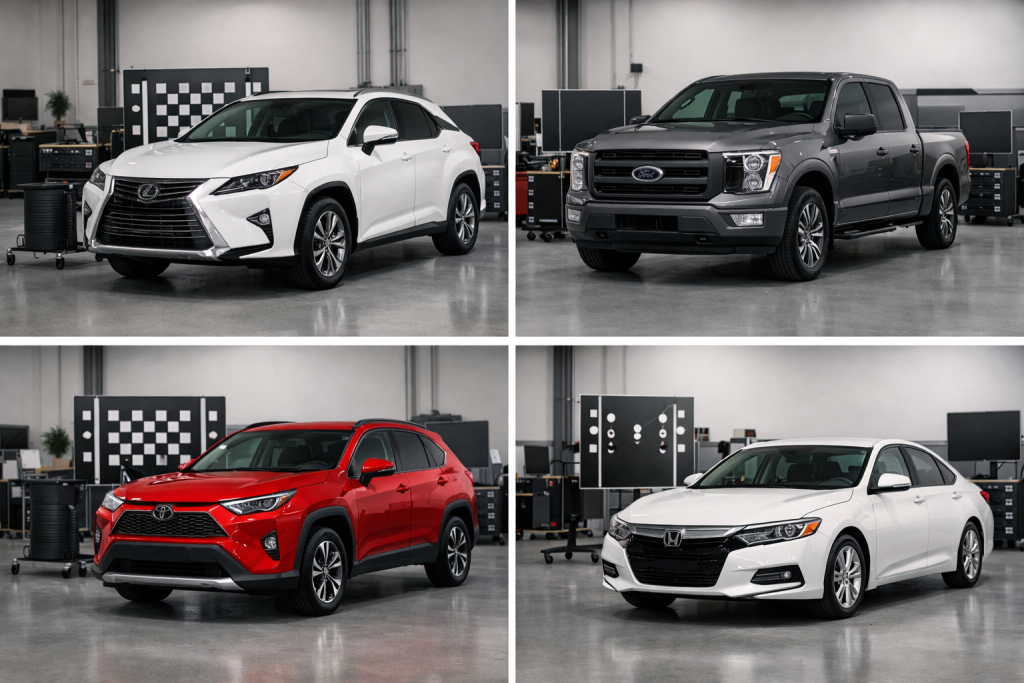
As the number of cameras and sensors increases, calibration is likely to become a regular part of many glass installations. Calibration tells the car’s systems where the glass and the camera are and how they’re angled. Without it lane assist and automatic braking won’t work as they should.
We expect to see more shops investing in calibration tools and more customers hearing that phrase at the counter. A good shop will tell you if your car needs calibration, how they do it and how long it takes before you’re out of there.
Recycling and sustainability
Automotive glass is a major component of the waste stream when vehicles are written off. A lot of the manufacturers and recyclers out there are looking at ways of reusing the glass, recovering the materials and reducing the waste. Laminated glass is much harder to recycle than plain glass so new processes in that area are very much in the pipeline.
Drivers can help by selecting shops that will recycle their old glass and by keeping their vehicles in good condition so they last as long as possible. One of the easiest ways to reduce waste is to simply repair a chip rather than replace the whole windscreen.
What drivers can do now
You don’t need to wait until the future to protect your glass. A few habits make a real difference right now.
Keep your windscreen clean both inside and out so the sensors have a clear view. Fix any chips as soon as you spot them (while they’re still small and easy to fill). Select a workshop that will give you the straight facts on calibration, adhesive and cure times. And if you’re having any glass work done, find out whether the sensors have been checked following the installation.
If your car has a camera or a head up display then keep a record of the work carried out on the glass. That history will be of huge benefit to a future technician who may well be trying to work out what’s been done and why.
Wrapping up
The future of automotive glass is about much more than just clear vision. It’s about glass that works in conjunction with the cameras and sensors and the safety systems. It’s about smarter materials, better adhesives and more precise installation.
For the driver the bottom line is simple. The next time you need a windscreen repair or replacement, go to a garage that knows these systems and will take the time to get it right.
If you’ve got any queries about your vehicle’s glass or just want to do a checkup prior to your next journey, get in touch with the Premiere Auto Glass team. We’ll have a look at your windscreen, let you know what your car needs and help you plan for the technology that’s already out there.
FAQs
Will future windshields be any harder to replace?
They might go to a bit more trouble, particularly if they’re incorporating cameras, sensors and head up displays. Calibration and accurate alignment are going to be more prevalent. The benefit of course is that a properly executed installation will see your safety systems working as they were designed to.
Are self healing windshields available at the moment?
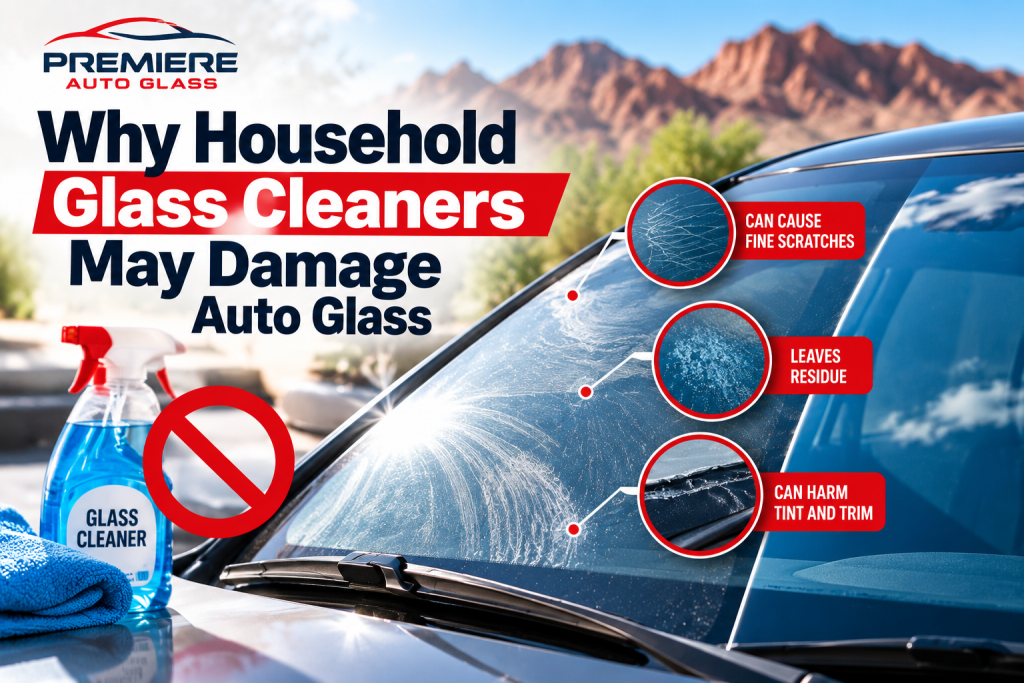
Not in most vehicles. Self healing coatings and materials are still very much in the development and testing stage. At the moment the best way to protect your glass is to get any chips repaired as soon as possible and to avoid the kind of stress that can damage it (i.e. slamming doors, using abrasive cleaners etc).
Are thinner windshields less safe?
Not if they are engineered well. Manufacturers balance weight, strength, and comfort when they design glass. The key is that the glass still supports the roof and holds its bond in a crash. Replacement glass should always match the factory specs.
Will my next windshield be quieter?
It might be. Acoustic laminated glass is already available on some vehicles and is becoming more common. If quieter driving matters to you, ask your dealer or shop whether your car offers acoustic glass as a replacement option.
How can I prepare for changes in automotive glass?
Keep your car’s records, choose shops that explain their process clearly, and ask about calibration every time you have glass work done. Staying informed helps you make good decisions as the technology changes.