Quick Blog Summary
Driving conditions in Mesa can be tough on windshields because of loose gravel, desert dust, extreme heat, and monsoon storms. Simple habits like keeping distance from trucks, parking in the shade, and checking small chips early can help prevent costly windshield damage. Getting chips inspected quickly and choosing professional repair or replacement when needed helps keep your glass clear and safe.
Introduction
If you drive around Mesa long enough you start to pick up on a few things. The sun in July is very much in your face. There’s dust in the air after a windy afternoon and invariably you’ll come across a little chip in your windscreen somewhere, usually right in your line of sight. Most people just think it’s bad luck. We see that pattern time and again in our shop and it’s quite a bit to do with where and how we drive around here.
At Premiere Auto Glass we do all our windscreen work all over the Phoenix metro every week. Mesa drivers come in with chips from gravel roads, cracks that will just keep spreading after a hot day, and windscreen that has given up after a monsoon. The desert is tough on glass, no doubt about that, but the good news is you can actually fight it with a few simple things.
Why desert roads are rough on glass
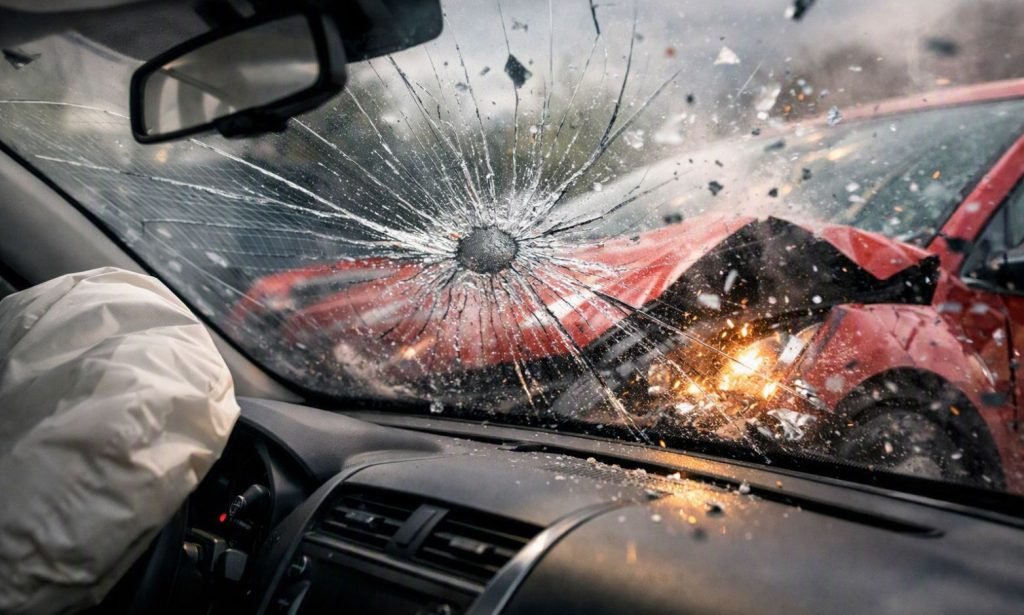
Desert roads look perfectly smooth from the driver’s point of view, but they’re full of little things that will damage your car. There’s all sorts of loose gravel, sand and grit along the shoulders and in the construction zones. The trucks that are moving materials around will kick up a tremendous amount of debris which will just fly straight at the cars behind them. A single rock at highway speed will leave a chip which starts off small and then spreads quite rapidly.
Mesa also has a lot of road work going on. New housing developments, wider streets and various utility projects all mean there’s a lot of freshly graded dirt and loose aggregate right along the lanes. That’s where you’re going to see some of the worst chips as the drivers have no good place to go to avoid the chips.
As per the National Highway Traffic Safety Administration, a clean, undamaged windscreen is an absolutely vital part of how you see the road and so even a small chip should be looked at before it has a chance to grow into a bigger problem.
Heat is the quiet troublemaker
Heat gets all the attention in Arizona and for good reason. Summer afternoons in Mesa routinely hit well over 105. A parked car gets very hot inside and the windscreen will heat up on one side very quickly whilst the other side remains quite cool. That leads to the glass expanding unevenly.
This is absolutely critical when you already have a chip or a crack in the glass. A small flaw that’s just sat there in winter can start to propagate when the glass is going through the daily cycles of heating and cooling. You may find a crack that was quite short last month is now extending all the way to the edge.
Sudden temperature changes
The worst stress is often caused by rapid changes. A car that’s been sitting in the sun all afternoon and then is suddenly subjected to a blast of cold air from the AC is under a lot of stress. The same applies to a sudden rain shower after a hot day. Cold water hitting hot glass can cause a crack to jump. We always tell our customers not to go straight from the hot glass into the defroster or AC on full, to allow the glass to cool down a bit first before you turn on the cold air.
Monsoon season brings its own problems
From about June through September Mesa gets its monsoon storms. They can come in pretty quickly with strong winds, heavy rain, dust and at times hail. Hail is the biggest threat. Even a small hail stone can leave a pit or a chip in the windscreen and a larger stone can crack the glass.
Dust storms (also known as haboobs) add another dimension. The wind can pick up the loose sand and grit and slam it into the glass. A driver caught in a habboob can end up with a series of tiny pits in the windscreen which will make night driving very difficult and will obviously wear the wipers out quite quickly.
According to the
National Weather Service, monsoon storms in the Phoenix area can bring sudden wind and blowing dust, so it’s smart to check the forecast before a long drive and park under cover when a storm is building.
The Arizona Department of Transportation advises drivers to slow down and increase following distance during dust and wind events, which also lowers the chance of getting hit by debris from the vehicle ahead.
How small chips turn into big problems
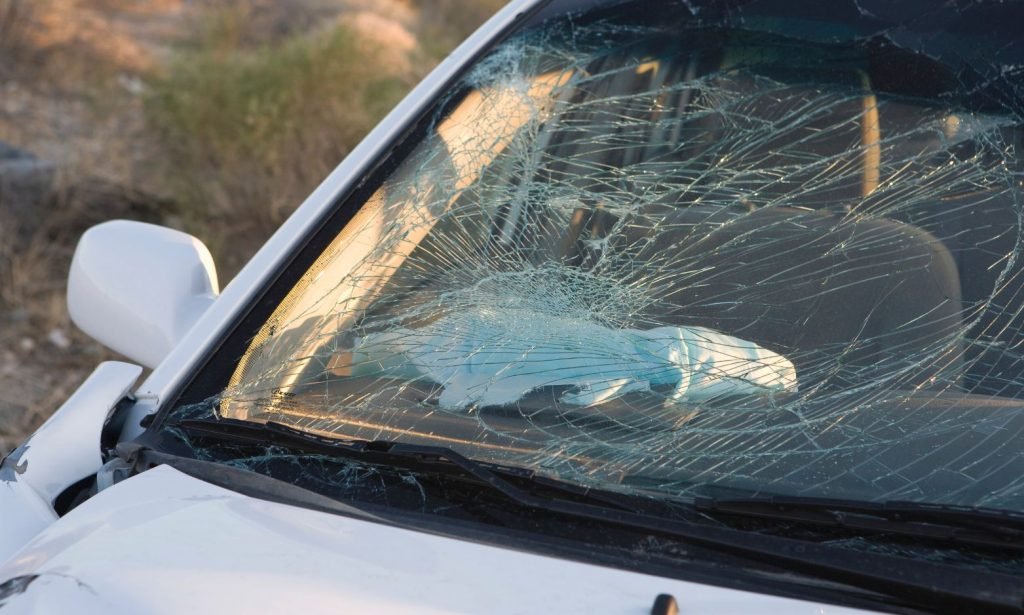
A chip is not a crack, it’s an opening. Once moisture, dirt or grit has got into a chip the glass has a weak spot which can grow. Temperature changes will push that weak spot out. A chip the size of a dime can become a long crack in a few weeks if it’s just left to itself.
Desert dust makes it all the worse really. The fine grit works its way into the chip and makes it a lot harder to repair later on. A chip that’s filled with dirt may well end up requiring a longer process and in some instances a full replacement will be the better option.
Chips in the driver’s view
A chip in the driver’s line of sight absolutely needs the most urgent attention. Even a minor chip can cause glare, halos or distorted vision at night (particularly when the headlights of oncoming traffic hit it). If you notice any new glare on your windscreen, get it checked straight away.
Cracks that reach the edge
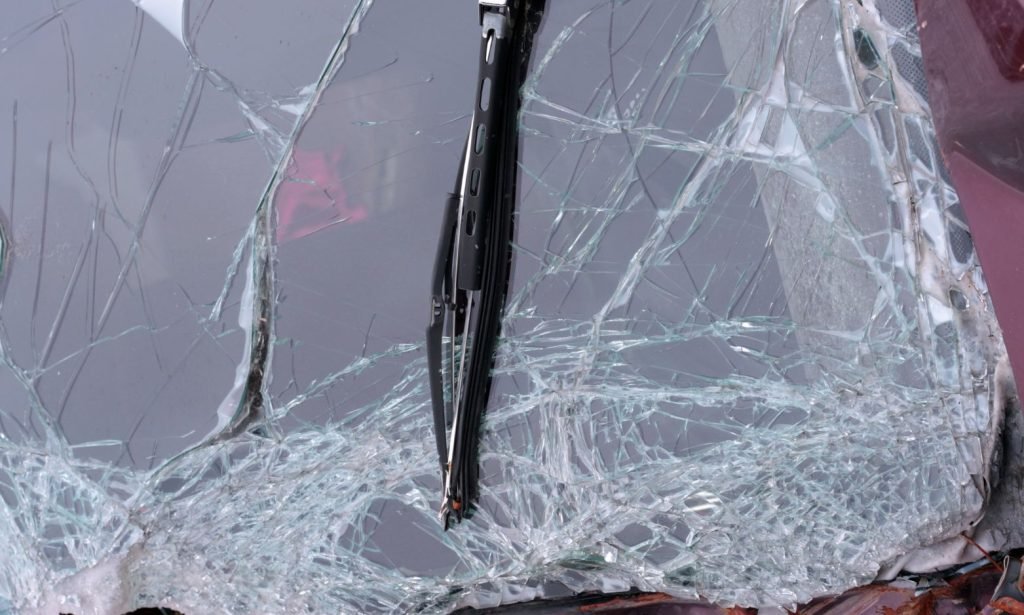
A crack that runs right to the edge of the glass is a more serious matter. It can compromise the bond between the glass and the frame and thus the ability of the windscreen to support the roof in a crash. It can also provide a route for water and dust to get into the cabin. Once it’s got to the edge, replacement is generally the way to go.
The sun and your windshield seal
Sun exposure does more than just heat the glass. UV light will eventually degrade the rubber seals, the trim and the adhesive around the windscreen. We see cracked trim, dry weather stripping and loose edges all the time on cars that have been sitting outside in Mesa for years.
Those problems can lead to leaks, wind noise and a windscreen that’s not sitting properly. A loose seal can also allow dust in during a storm and that dust can then settle around the edges and abrade the frame.
Park in the shade if you can. A windscreen sunshade is cheap and will help to keep the heat out of the car. Check the edges of the glass for any peeling trim, gaps or dried rubber and raise it with your technician at your next service.
Simple habits that protect your glass
You can’t control the weather or the road crews, but you can absolutely make a difference with a few simple habits.
Leave plenty of space between you and trucks, particularly gravel trucks and trailers. Their loads can shift and they can throw rocks back at the vehicles behind them. Driving at a safer distance gives you time to react and reduces the likelihood of rocks hitting you in the first place.
Look out for construction zones and fresh gravel. If you have to go through any of them, do slow down. The slower you’re going the less force there is on the glass when a rock hits it and that can be the difference between a small pit and a full chip.
Park smart during storms. If a monsoon or dust storm is coming, get under a carport, a garage, or a covered lot if you can. If you can’t, park away from trees with heavy limbs and away from areas that collect debris.
Clean the glass regularly with a safe cleaner. Dust and dirt can mask small chips and a dirty windscreen makes it much harder to see new damage. Avoid household cleaners containing ammonia as these can actually wear away the protective coatings.
Get small damage looked at early
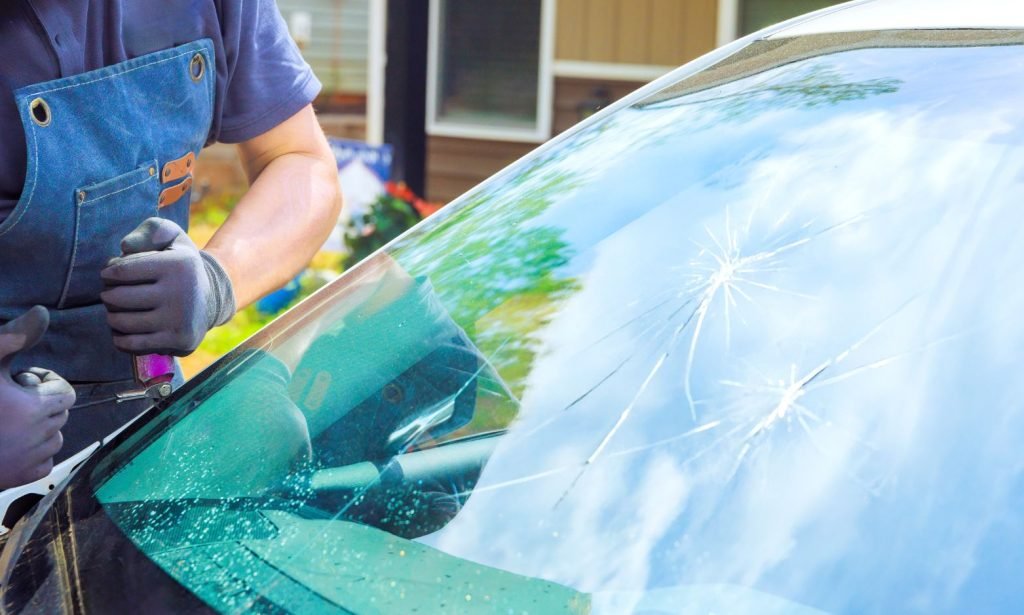
The ideal time to deal with a chip is immediately upon spotting it. Most chips can be repaired with resin if they’re small and clean. The repair is generally quicker and cheaper than a full replacement and will of course stop the chip spreading.
Don’t wait for the chip to grow. Get it checked as soon as you see one, particularly if it’s in the driver’s view or if the desert heat has already caused it to grow. A quick check will tell you whether it’s worth repairing or whether it’s simply a case of replacement.
The Insurance Information Institute explains that comprehensive coverage often includes glass damage, so it’s worth reviewing your policy after a chip appears. Acting quickly can keep a small repair from turning into a larger claim.
Insurance and what to expect
Loads of Arizona drivers are going to ask themselves whether their insurance will cover windscreen work as a result of the desert conditions. In most cases, comprehensive cover will deal with damage to the glass from road debris, hail and storms. The specifics will of course vary according to your policy, your deductible and whether your insurer has a preference for a particular shop or type of glass.
Call your insurer before you book the work. Find out whether they cover chip repairs, whether a chip repair will affect your deductible and whether they have a preferred shop. We’ll do all the legwork for the customer and explain exactly what their policy covers so there’s no surprise at the counter.
What a repair or replacement involves
A chip repair is a very quick job. You clean the chip, get rid of the moisture and any debris, inject a clear resin and then cure it with UV light. The idea is to fill the chip, give it some strength again and stop it spreading. Most of them are done in under an hour.
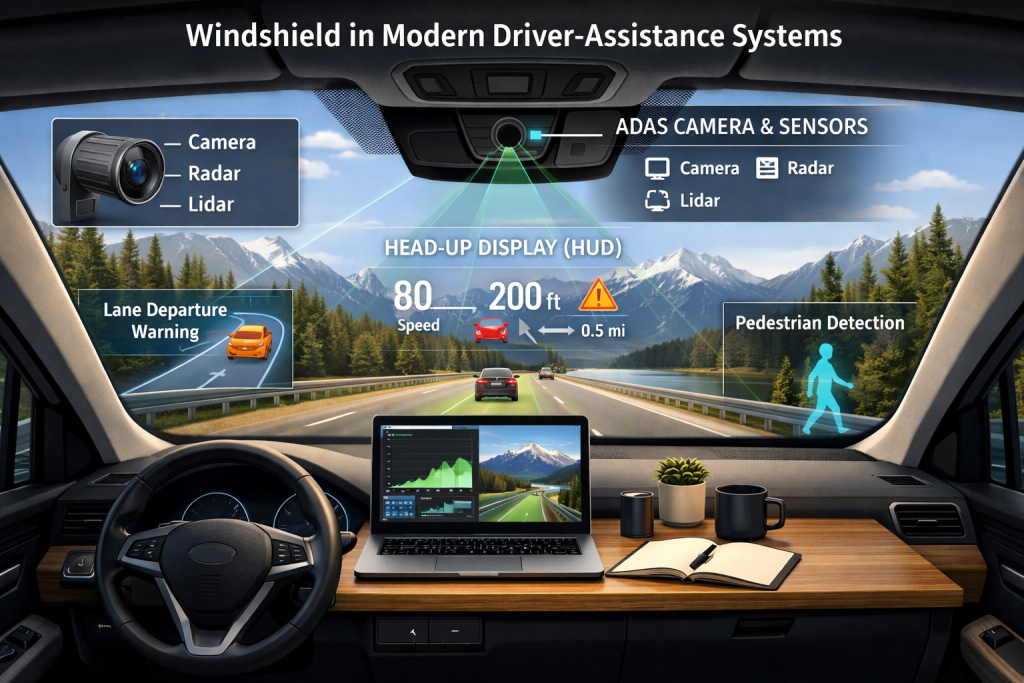
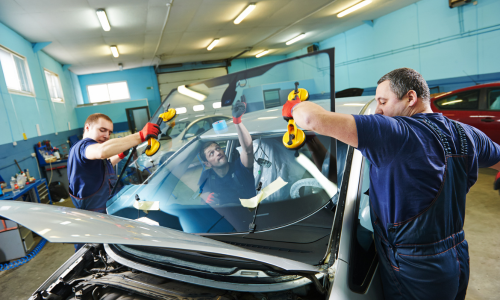
A replacement takes longer. The old glass comes out, the frame is cleaned and prepared and the new glass is fitted with fresh adhesive. It then needs a cure time before it’s safe to drive. If your car has a forward facing camera or any driver assist systems then it will also need to be calibrated after the replacement has been carried out.
Whatever route you take, make sure the fitter checks the glass and tells you what they’ve found. A clear explanation will help you make the right decision for your car and your money.
Wrapping up
Mesa’s desert roads are a nightmare for windshields. Gravel, dust, heat, monsoon hail and the temperature swings are all going to take a toll. The glass is going to take the hits every day and the damage will often start off very small. The good news is that if you catch the small damage early it’s pretty straightforward to fix.
Keep your distance from trucks, park wisely when it’s storming, shade the car when you can and get the chips checked as soon as they arrive. Those are the sorts of little things that will save you time, save you money and save you a great deal of hassle.
If you’ve got a chip, a crack or a leak, or indeed just want your windscreen checked prior to the next monsoon season, get in touch with
the Premiere Auto Glass team. We’ll have a look at your glass, let you know what we see and then help you decide on the right course of action for your Mesa lifestyle.
FAQs
Can a little chip really spread in the Arizona heat?
Yes. The daily heat and temperature swings put stress on the glass and a small chip can grow into a crack in a matter of weeks. That’s why we’d recommend you get a chip checked as soon as you spot one, before the desert heat has a chance to work on it.
Is it safe to drive with a chip in your windscreen?
It’s often quite acceptable for a short period of time, particularly if the chip is small and you can’t see it. It’s still a good idea to get it sorted at some point though. If the chip is in your line of sight, is causing glare at night or is beginning to spread then it should be looked at immediately.
Does monsoon hail invariably cause windscreen damage?
Not necessarily, but it can. Small hail will produce pits and chips and larger hail will crack the glass. If a storm has passed through then you should check your windscreen for any new damage. The best way to minimise your risk is to park under cover during a storm.
Will parking in the shade actually help my windscreen?
It helps a lot really. The shade keeps the interior and the glass cooler which in turn reduces the heat stress on the chips and cracks. It also protects the rubber seals and trim from UV damage. A windscreen sunshade is a useful extra when you can’t be parking in the shade.
How do I know whether I need a repair or a full replacement?
Size, position and depth are the key factors. Small chips outside the driver’s line of sight are often perfectly viable for repair. Long cracks, cracks that have reached the edge or damage in the driver’s line of sight are generally going to require replacement. A tech can look at the glass and tell you whether it’s repairable or not.
Must Read:
-
-
-
-