
Here’s What You’ll Learn in This Article
This article explains which vehicles commonly require ADAS recalibration after windshield replacement and why it matters for safety systems like lane assist and automatic braking. You will also learn how calibration works, why skipping it creates risks, and what drivers should check before replacing their windshield.
Introduction
You just bought a newer car. Maybe a Honda, Toyota, Ford, or Subaru. Something built in the last five or six years. Loaded with safety tech. Lane keeping, automatic braking, adaptive cruise control, all the good stuff.
Then a rock cracks your windshield and you need replacement. You call around for quotes and some shops charge way more than others. The expensive shops keep mentioning something called ADAS recalibration. The cheap shops do not mention it at all.
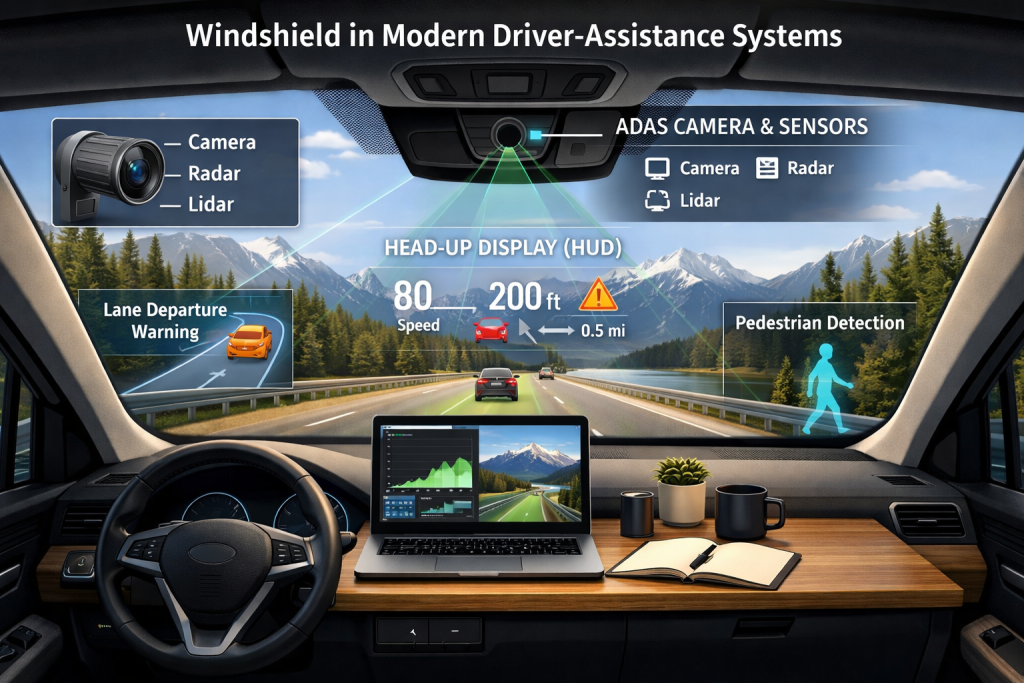
Here is what nobody tells you upfront. Some vehicles absolutely need ADAS recalibration after windshield work. Not maybe. Not sometimes. Every single time. The camera behind your windshield controls too many critical safety systems to skip this step.
Other vehicles have simpler systems that handle recalibration automatically or do not need it at all. Knowing which category your car falls into saves you from either overpaying for services you do not need or underpaying and driving away with broken safety systems.
Premiere Auto Glass works on every make and model that requires ADAS recalibration daily. The team knows exactly which vehicles need what type of calibration and why. This guide breaks down the top vehicles requiring ADAS recalibration after glass work and explains what makes each one unique.
Honda and Acura top the list
Honda and Acura vehicles are everywhere on the road today. And almost every model built after 2016 comes with Honda Sensing or AcuraWatch safety systems. These systems depend heavily on the windshield-mounted camera.
Honda Accord, Civic, CR-V, Pilot, Odyssey. Every single one of these popular models needs ADAS recalibration after windshield replacement. No exceptions. The camera mounts directly to the windshield. When the glass comes out, the camera position changes. Honda’s system cannot self-calibrate. You need professional equipment and specific procedures.
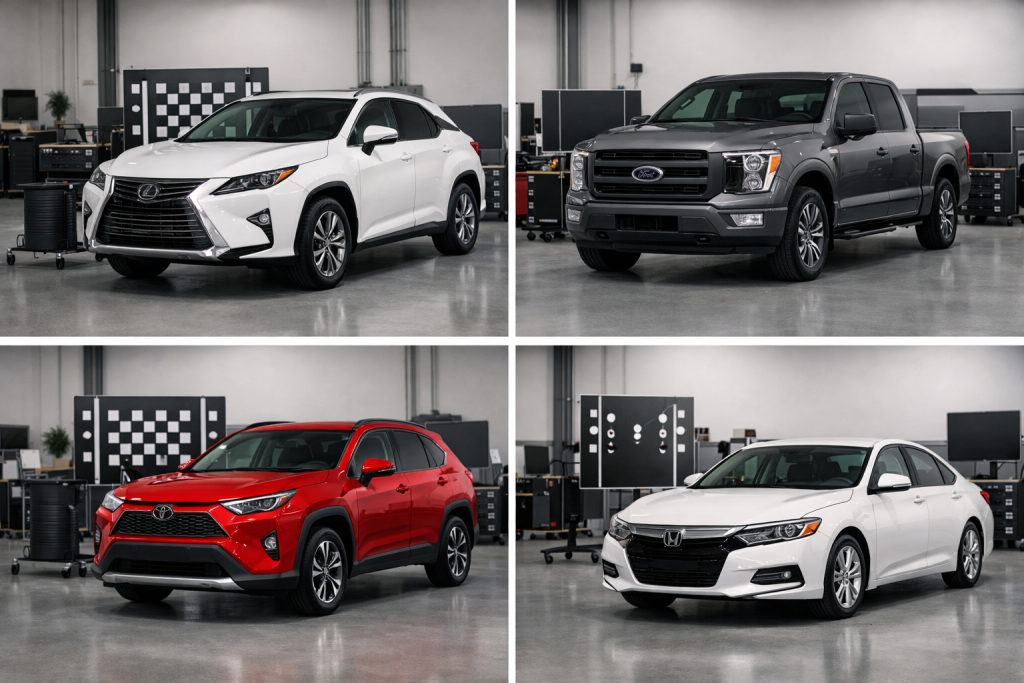
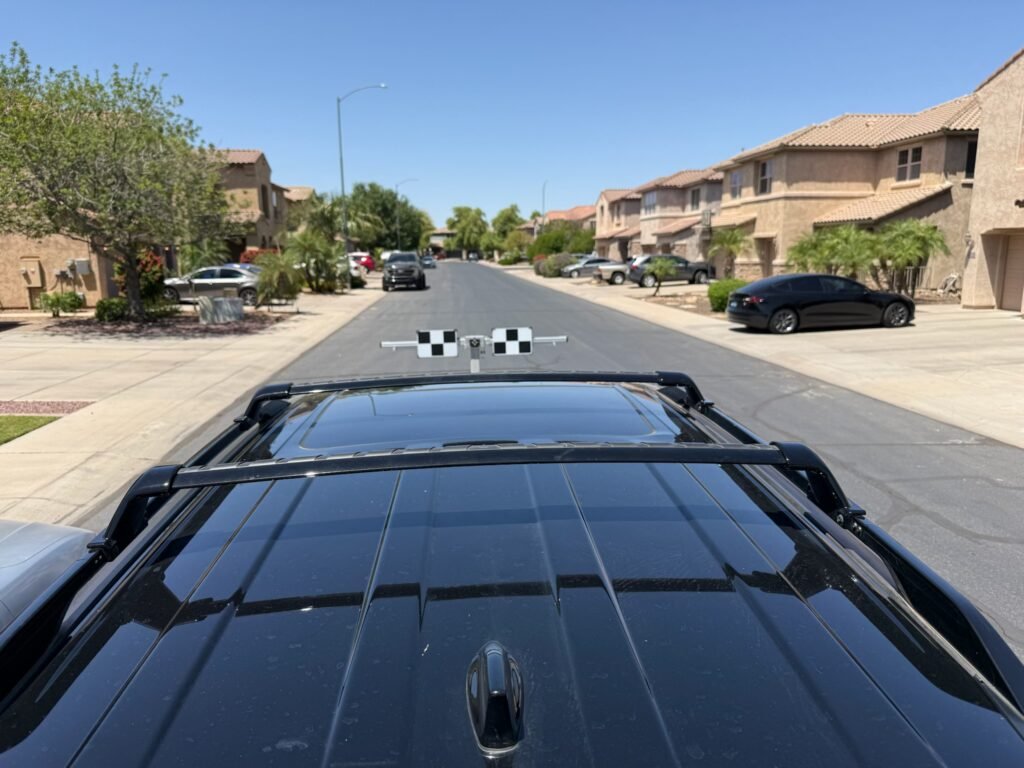
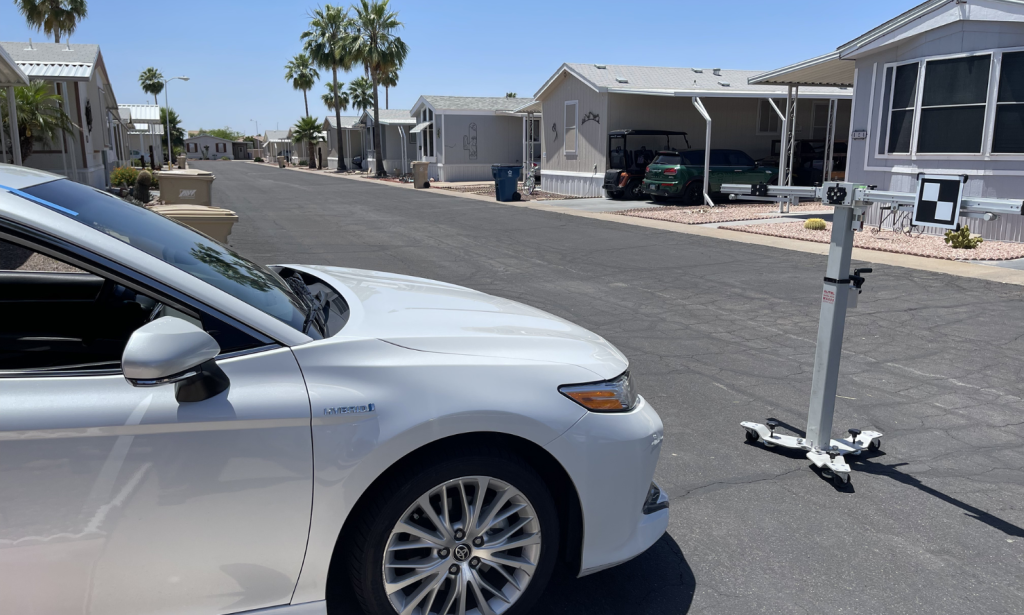
Honda requires static calibration for most models. The tech sets up calibration targets at exact distances in front of the vehicle. The system uses these targets to reset the camera’s reference points. Takes about an hour to an hour and a half including setup.
Some newer Honda models also need dynamic calibration. The tech drives the vehicle at specific speeds on roads with clear lane markings. The system calibrates while watching real-world conditions. Dynamic calibration adds another 30 to 45 minutes.
Acura TLX, MDX, RDX, ILX. Same story as Honda but often more complex. Acura systems have additional features that require more extensive calibration procedures. Multiple cameras and sensors work together. Everything needs to sync correctly.
According to Honda’s service documentation, attempting to operate a vehicle with Honda Sensing without proper calibration after windshield replacement can result in system malfunctions that compromise safety features, potentially leading to accidents that these systems were designed to prevent.
Honda and Acura owners cannot skip ADAS recalibration. The systems will not work correctly without it. Period. Premiere Auto Glass follows exact Honda and Acura calibration procedures for every vehicle.
Subaru makes the list easily
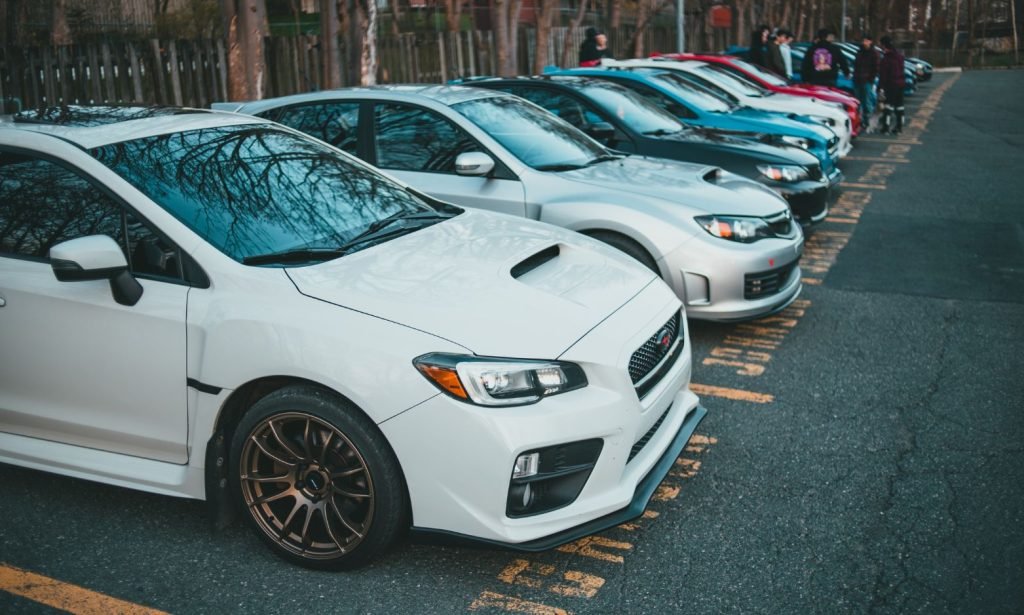
Subaru built its brand reputation on safety. EyeSight is Subaru’s ADAS system and it comes standard on almost every model now.
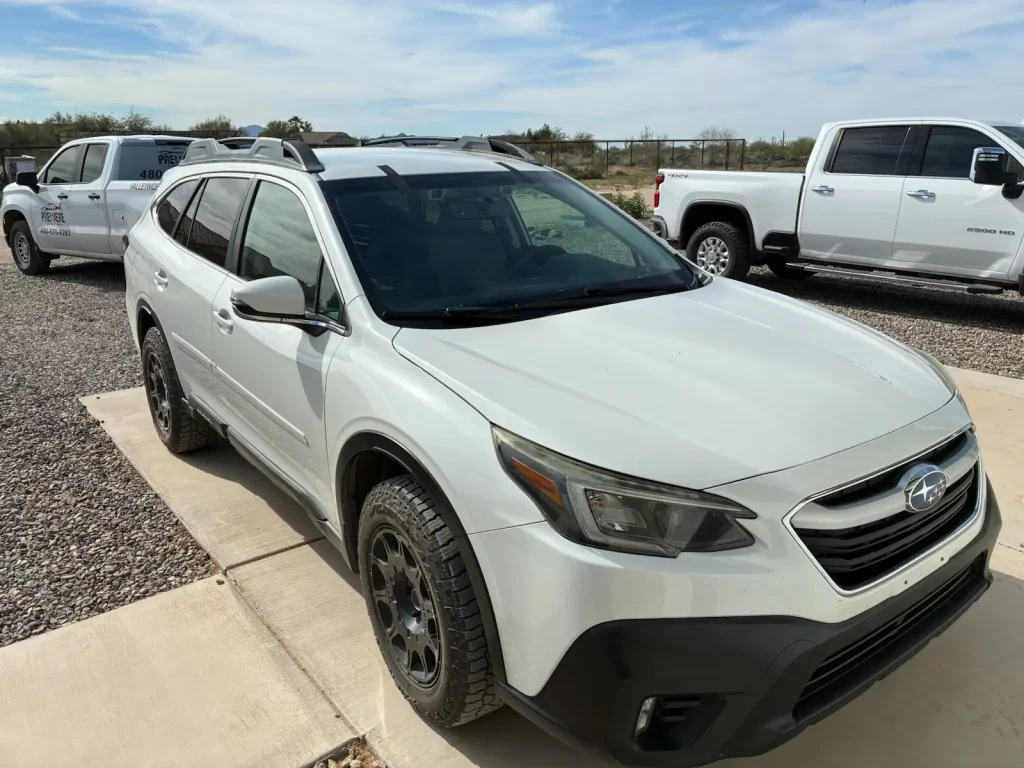
Subaru Outback, Forester, Crosstrek, Legacy, Ascent. All of these require ADAS recalibration after windshield work. EyeSight uses dual cameras mounted to the windshield. Two cameras mean two calibration procedures.
Subaru requires both static and dynamic calibration for EyeSight systems. Static calibration resets the camera reference points using targets. Dynamic calibration verifies everything works correctly during actual driving conditions.
The EyeSight cameras sit higher on the windshield than cameras in most other vehicles. This positioning gives better views of the road ahead but makes the cameras more sensitive to angle changes during windshield replacement.
Subaru systems also integrate closely with other vehicle functions. The ADAS camera data feeds into transmission shifting algorithms and all-wheel-drive control systems. Incorrect camera calibration affects more than just safety warnings. It can impact how the entire vehicle drives.
Subaru owners who skip ADAS recalibration often notice their vehicles behaving strangely. Transmission shifts feel off. All-wheel-drive engages at weird times. These symptoms come from the vehicle computer making decisions based on bad camera data.
Premiere Auto Glass calibrates Subaru EyeSight systems regularly. The team knows both cameras need attention and follows Subaru’s procedures exactly to get everything working correctly.
Toyota and Lexus vehicles need it too
Toyota Safety Sense and Lexus Safety System Plus appear across almost the entire Toyota and Lexus lineup. These systems pack tons of features into one camera package.
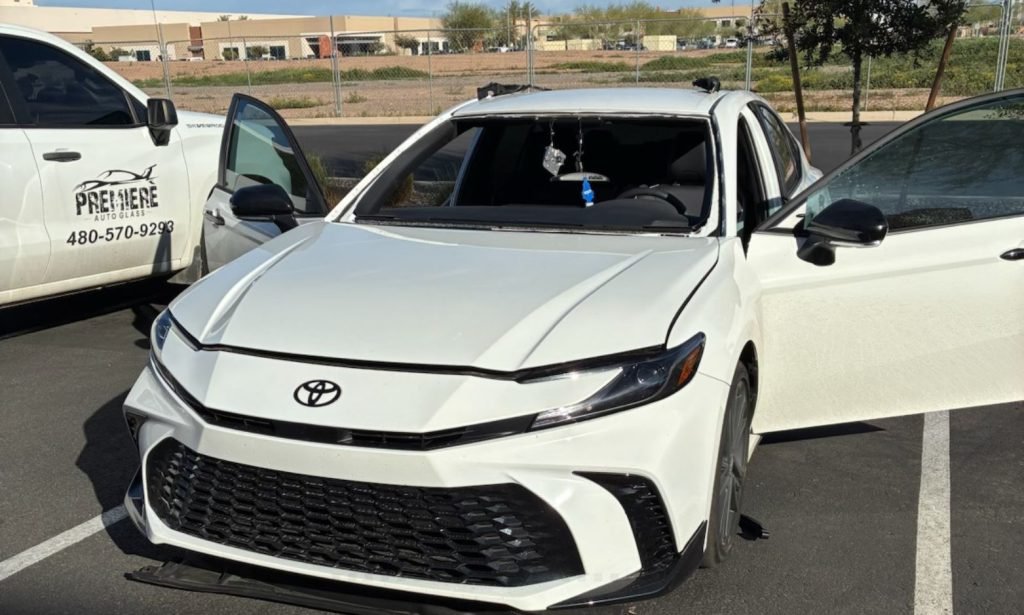
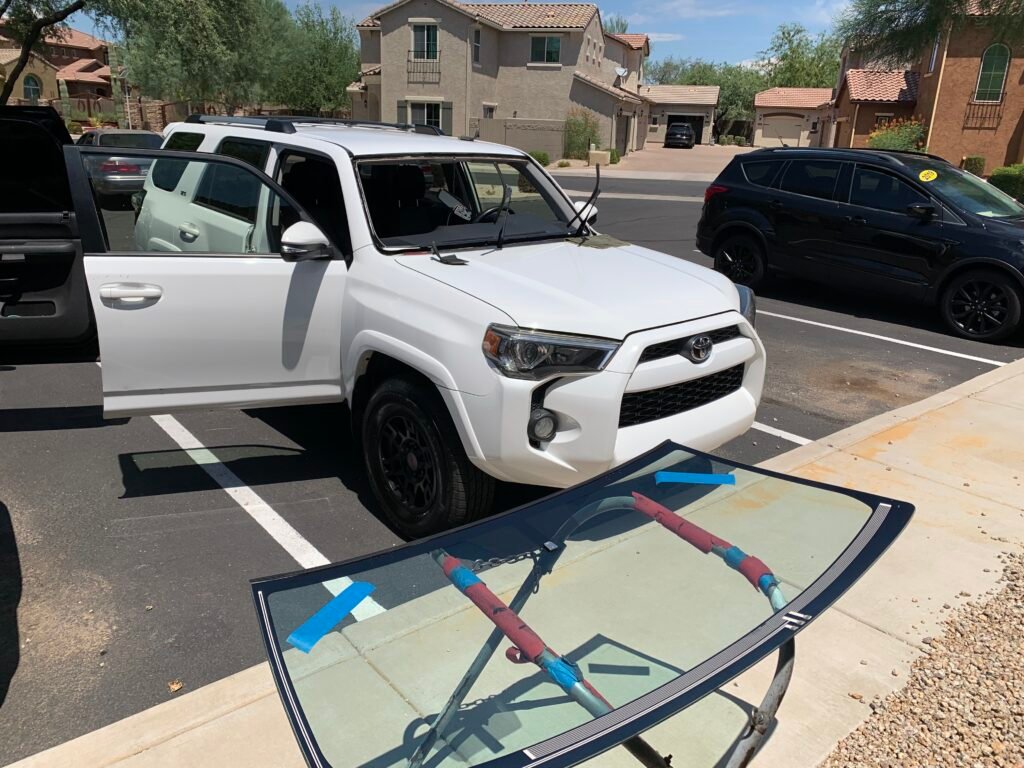
Toyota Camry, Corolla, RAV4, Highlander, Tacoma, Tundra. Every current generation of these models includes Toyota Safety Sense. Every one needs ADAS recalibration after windshield replacement.
Toyota uses primarily dynamic calibration for most models. The tech drives the vehicle while connected calibration equipment monitors the camera. The system learns lane markings and reference points from real driving conditions.
Some Toyota models need static calibration too, especially newer ones with additional features. The calibration requirements vary by model year and trim level. A 2020 Camry might need different procedures than a 2024 Camry.
Lexus ES, RX, NX, GX, LS. Same basic system as Toyota but with additional luxury features. Lexus models often include more sensors and cameras working together. Calibration procedures get more complex.
Lexus head-up display systems require extra attention during windshield replacement. The windshield itself has special coatings that make the display visible. Wrong glass or improper installation ruins the head-up display permanently.
Data from Toyota’s technical service bulletins indicates that over 85% of Toyota Safety Sense malfunctions reported after windshield replacement trace back to skipped or improperly performed ADAS recalibration procedures.
Toyota and Lexus systems generally tolerate small misalignments better than Honda or Subaru systems. But tolerance does not mean you can skip calibration. It just means problems might show up more gradually instead of immediately.
Ford vehicles across the board
Ford went big on safety technology. Ford Co-Pilot360 comes standard on most Ford models now. This system requires calibration after windshield work on basically everything Ford makes.
Ford F-150, Explorer, Escape, Edge, Mustang Mach-E. All of these popular models need ADAS recalibration. The F-150 is the best-selling vehicle in America and almost every new one on the road has Co-Pilot360.
Ford uses both static and dynamic calibration depending on the model and features. F-150 trucks often need both types because they include so many safety features as standard equipment now.
Ford systems tie closely to the vehicle’s electrical architecture. The ADAS camera talks to multiple control modules simultaneously. Calibration involves more than just the camera. The entire system needs to sync.
Ford also includes traffic sign recognition in many models. This feature depends entirely on the windshield camera reading signs correctly. Misaligned cameras cannot read signs from wrong angles. The feature stops working completely.
Newer Ford electric vehicles like the Mustang Mach-E and F-150 Lightning have even more complex ADAS systems. These vehicles use camera data for efficiency features in addition to safety. Proper calibration affects both safety and driving range.
Premiere Auto Glass handles tons of Ford windshield replacements. The team knows Ford calibration procedures inside and out across the entire model range.
Chevrolet, GMC, and other GM products
General Motors rolled out safety technology across Chevrolet, GMC, Buick, and Cadillac. Different brand names but similar underlying systems.
Chevrolet Silverado, Equinox, Malibu, Traverse. Most current models include some level of ADAS features. Higher trim levels pack more technology. All of them need recalibration when you replace the windshield.
GMC Sierra, Terrain, Acadia. Same platforms as Chevrolet equivalents. Same calibration needs. The Sierra shares everything with the Silverado mechanically, including ADAS requirements.
GM uses a mix of static and dynamic calibration depending on specific features installed. Vehicles with Super Cruise, GM’s hands-free driving system, require extremely precise calibration. Super Cruise uses multiple cameras and sensors that all need perfect alignment.
Cadillac models with advanced ADAS features are particularly demanding. The systems include more sensors and more complex integration. Calibration takes longer and requires more specialized equipment.
GM vehicles often show dashboard warnings when ADAS calibration is off. The vehicle knows something is wrong and tells you. But some GM models do not warn you at all. The systems just quietly malfunction without obvious indicators.
Mazda vehicles require special attention
Mazda might not sell as many vehicles as Toyota or Honda, but their ADAS systems are equally sophisticated. Mazda calls their system i-Activsense.
Mazda CX-5, CX-9, Mazda3, Mazda6. All current models with i-Activsense need ADAS recalibration after windshield replacement. Mazda uses a single camera system similar to Honda.
Mazda requires static calibration using very specific target placement. The distances and angles are more critical than some other manufacturers. Being off by even a few centimeters throws the calibration off.
Mazda systems also integrate with the vehicle’s G-Vectoring Control, which adjusts engine torque during cornering. The ADAS camera feeds data into this system. Incorrect calibration can make the vehicle feel unstable during turns.
Mazda vehicles are less common than Toyota or Honda, which means some glass shops lack experience calibrating them. Finding a shop familiar with Mazda procedures matters more than for more common brands.
Nissan and Infiniti round out the list
Nissan’s Safety Shield 360 and Infiniti’s ProPILOT Assist systems both require calibration after windshield work.
Nissan Rogue, Altima, Sentra, Pathfinder. Current models with Safety Shield 360 all need recalibration. Nissan uses primarily dynamic calibration procedures.
Infiniti QX50, QX60, Q50. Higher-end models with ProPILOT Assist require both static and dynamic calibration. The systems are more advanced than base Nissan systems.
Nissan calibration procedures are generally straightforward compared to some other manufacturers. But straightforward does not mean optional. The systems still fail without proper calibration.
What about luxury brands
Mercedes-Benz, BMW, Audi, Volvo, and other luxury brands all include extensive ADAS features. Every single one requires recalibration after windshield replacement.
Luxury vehicle ADAS systems often use multiple cameras and sensors working together. Calibration becomes more complex and time-consuming. Some luxury brands require dealer-level diagnostic equipment that independent shops cannot access.
Mercedes-Benz models with DISTRONIC PLUS or Active Driving Assistance need extensive calibration. Some models require three or four hours of calibration work after windshield replacement.
BMW vehicles with Active Driving Assistant need both static and dynamic calibration. BMW procedures are particularly detailed and must follow exact steps.
Audi models with Adaptive Cruise Assist require calibration using Audi-specific equipment and software. Some independent shops cannot perform these calibrations at all.
Volvo built their reputation on safety. Every Volvo with City Safety or Pilot Assist needs recalibration. Volvo procedures are thorough and cannot be rushed.
Industry data from the Automotive Service Association shows that luxury vehicles requiring ADAS recalibration account for the highest percentage of post-installation callbacks when calibration is skipped, with failure rates exceeding 70% within the first month after glass replacement.
Luxury vehicle owners should verify the glass shop has proper equipment and training before booking service. Not all shops can handle high-end ADAS systems.
How to know if your vehicle needs it
If you own any vehicle built after 2017, assume it needs ADAS recalibration after windshield replacement until proven otherwise.
Check your vehicle for these features. If you have any of them, you need recalibration:
- Lane departure warning or lane keeping assist
- Forward collision warning
- Automatic emergency braking
- Adaptive cruise control
- Traffic sign recognition
- Pedestrian detection
Look behind your rearview mirror. If you see a camera mounted to the windshield, you definitely need recalibration.
Call Premiere Auto Glass and tell them your year, make, and model. The team will tell you exactly what calibration your vehicle requires. No guessing. No maybes. Just accurate information based on manufacturer specifications.
Do not skip calibration to save money
Some shops quote low prices for windshield replacement by leaving out ADAS recalibration. The quote looks great until you realize it does not include required services.
You end up paying the low price, getting your windshield replaced, and driving away with safety systems that do not work correctly. Then you either live with broken systems or pay another shop to calibrate them later.
Just get it done right the first time. Pay for complete service that includes required calibration. The peace of mind knowing your safety systems actually work is worth every dollar.
Premiere Auto Glass includes ADAS recalibration in every quote for vehicles requiring it. The price you see is the complete price for proper service. No surprises. No hidden costs. No skipped steps.
Your vehicle made this list because it has sophisticated safety technology protecting you and your family. That technology only works when properly maintained. ADAS recalibration after windshield replacement is not optional maintenance. It is required for the safety systems to function.
Schedule your windshield service with proper ADAS recalibration included and drive away knowing every safety feature in your vehicle works exactly as the manufacturer designed it to work.
Questions about vehicles and ADAS calibration
- Do older vehicles need ADAS recalibration? Vehicles built before 2015 generally do not have windshield-mounted ADAS cameras. Some luxury vehicles from 2012 to 2014 have early systems that might need calibration. Most mainstream vehicles from before 2016 do not require it. If your vehicle is older and you are unsure, Premiere Auto Glass can verify based on your specific year, make, and model.
- Can I calibrate ADAS myself or does it require professional equipment? ADAS recalibration requires manufacturer-specific diagnostic equipment, calibration targets, and detailed procedures. DIY calibration is not possible for consumer vehicle owners. The equipment costs tens of thousands of dollars and requires extensive training to use correctly. Always use a professional shop with proper calibration capabilities.
- How much does ADAS recalibration typically add to windshield replacement cost? ADAS recalibration typically adds between 150 and 400 dollars to total windshield replacement cost depending on your vehicle and calibration complexity. Luxury vehicles requiring extensive procedures cost more. Basic systems cost less. Many insurance policies cover calibration as part of windshield claims with no additional deductible.
- What happens if the shop does not have equipment for my specific vehicle? Some vehicles require manufacturer-specific equipment that not all shops own. If a shop cannot properly calibrate your vehicle, they should tell you upfront and refer you to someone who can. Never let a shop attempt calibration without proper equipment. Incorrect calibration is as dangerous as no calibration.
- Do electric vehicles have different ADAS calibration requirements? Electric vehicles often have more sophisticated ADAS systems than gas vehicles. Calibration procedures are generally similar but might take longer due to additional features. Tesla vehicles have unique requirements and many independent shops cannot calibrate them at all. Check calibration capabilities before booking windshield service on any electric vehicle.