
Summary of the Blog
This blog covers when a cracked sunroof can be repaired and when it needs a full replacement. It explains how crack size, location, and spreading speed all affect the decision. Costs, insurance coverage, and peace of mind are also important factors to consider before choosing.
Introduction
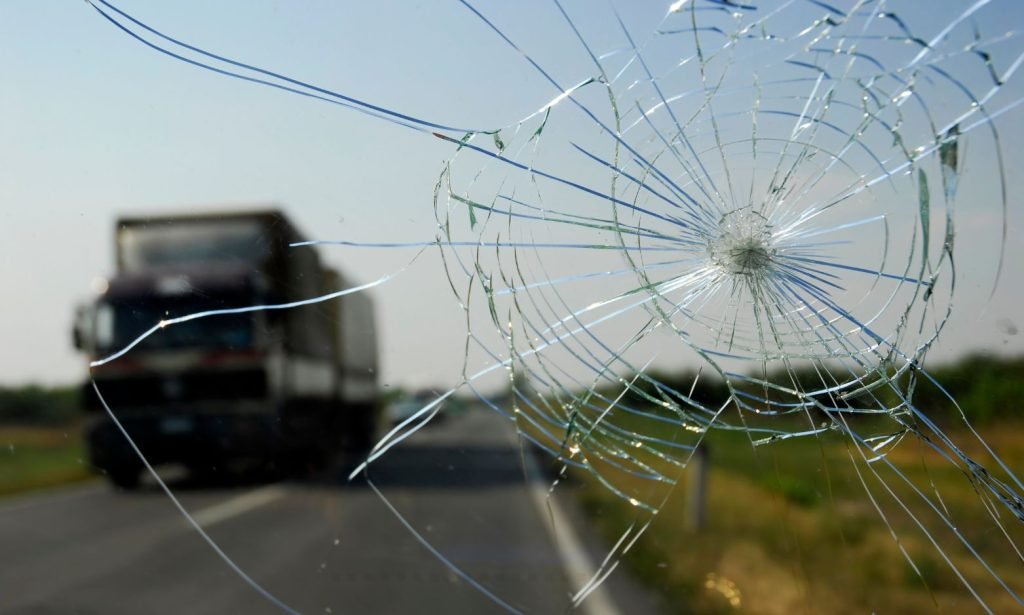
You notice a crack in your sunroof. It is small. Maybe you got hit with something while driving. Maybe it just appeared for no reason. Either way now you have a crack in glass that is way harder to replace than a regular windshield.
Your first thought is probably panic. A sunroof replacement costs serious money. Like thousands of dollars. You are hoping maybe it can be repaired instead. Maybe the crack is small enough to just seal up. Maybe you can avoid the whole replacement nightmare.
The answer is complicated. Some sunroof cracks can be repaired. Some cannot. It depends on the size. The location. The type of crack. Your vehicle model. Whether you want to risk it failing later anyway.
Most people have no idea what their options actually are. They assume either you repair it cheaply or you replace it expensively. They do not realize there are real factors determining whether repair is possible and whether repair makes sense even if it is technically possible.
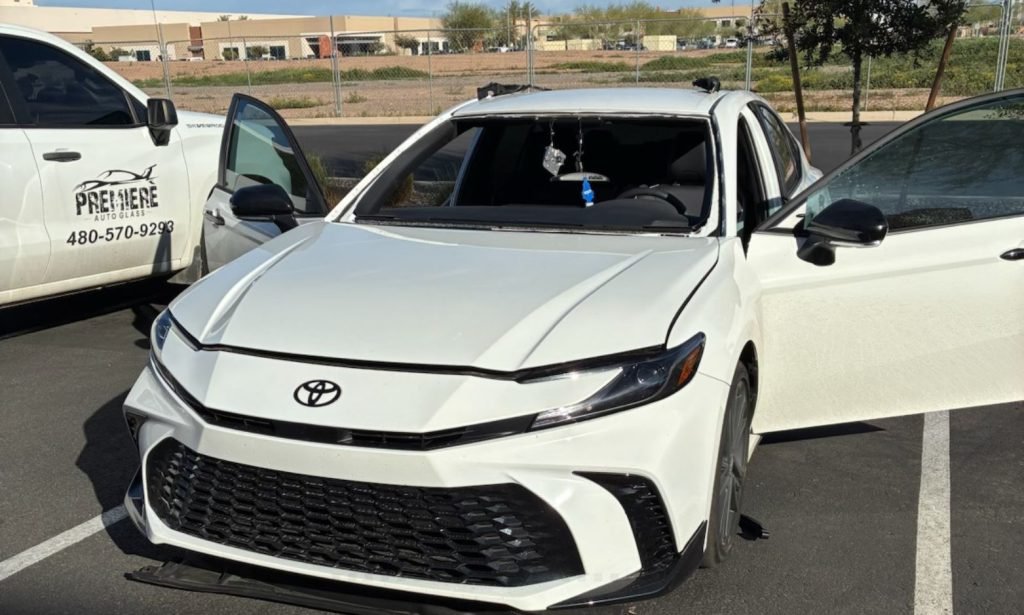
Premiere Auto Glass deals with sunroof cracks constantly. The team knows exactly when repair is possible. When repair is risky. When replacement is really the only smart choice. This guide walks you through everything about sunroof cracks so you understand your options and can make the best decision for your specific situation.
Understanding sunroof construction and why cracks happen
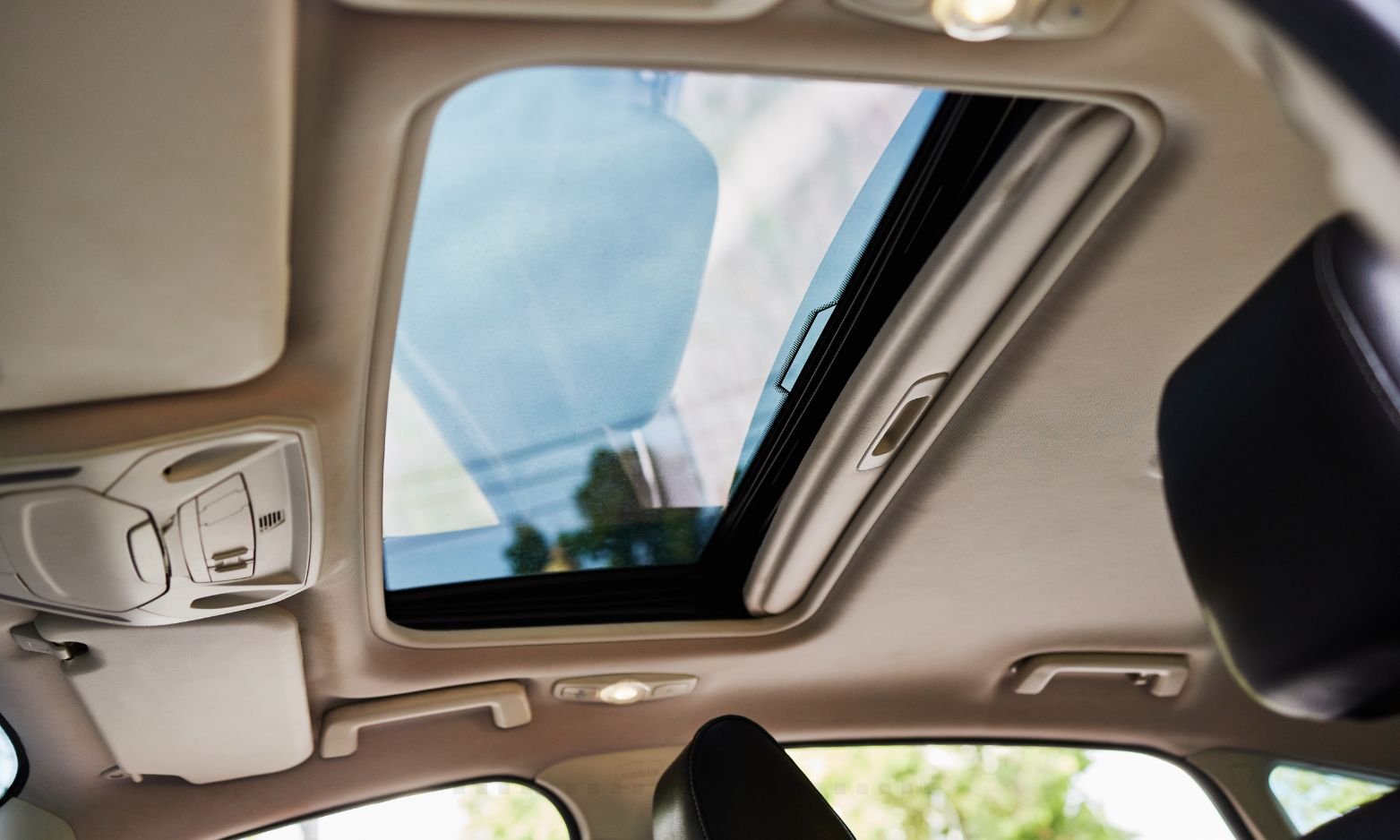
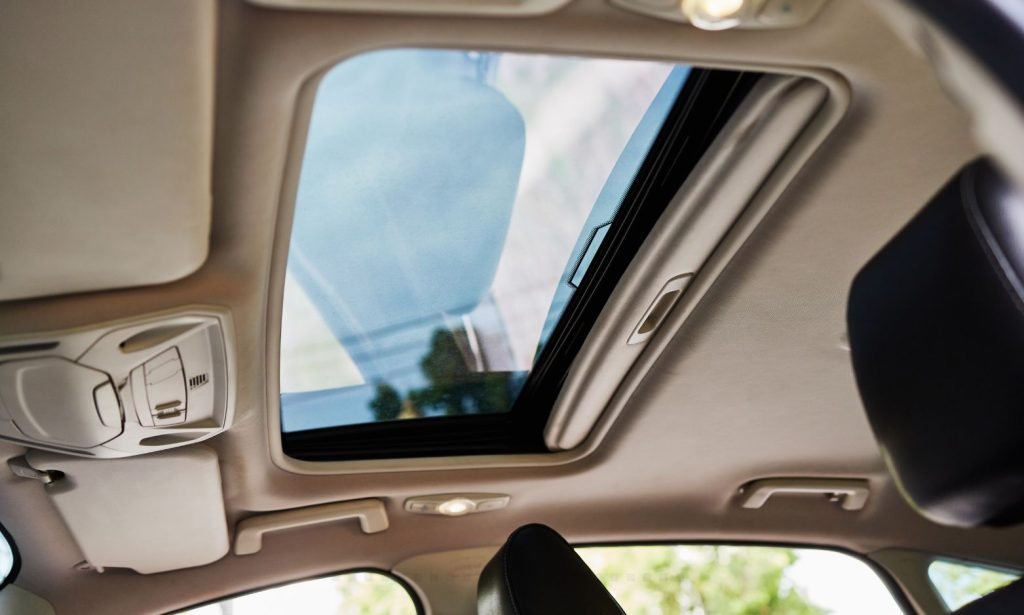
Your sunroof is a complex system. It is not just a piece of glass sitting in your roof. It is glass bonded to a frame. Connected to motors. Attached to drainage systems. Integrated with your vehicle structure.
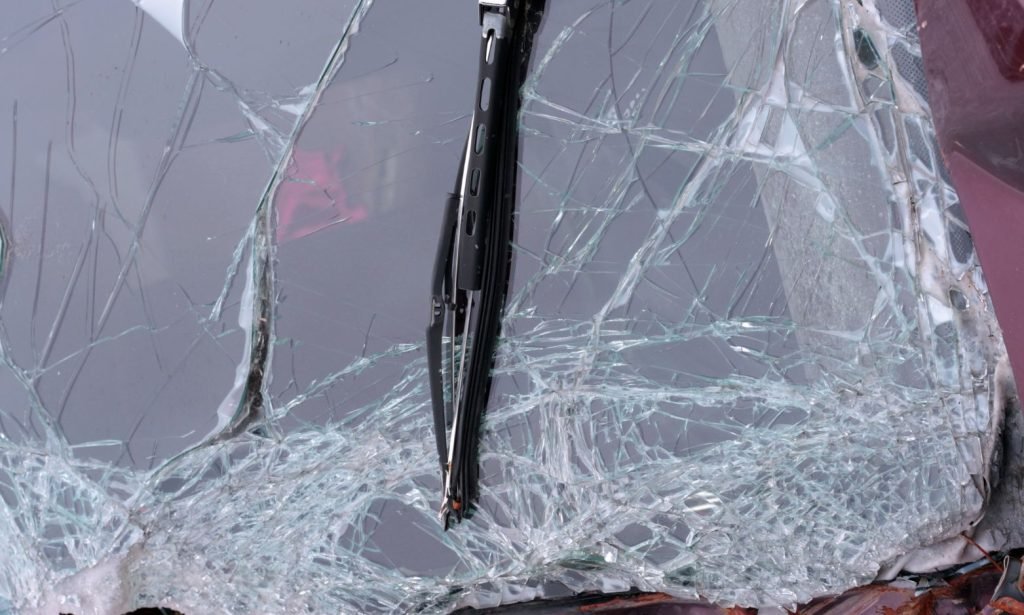
Most modern sunroofs use tempered glass. This glass is extremely strong. But when tempered glass fails, it fails catastrophically. A small crack can spread rapidly. A stress point can trigger sudden failure.
Sunroofs get cracked in multiple ways. Flying debris from other vehicles. Hail storms. Tree branches falling. Temperature swings causing stress. Manufacturing defects in the glass itself. Accidents and collisions. Impact from luggage racks or roof attachments.
Why sunroofs fail more than regular windows
Sunroofs experience different stresses than regular windows. They support their own weight plus the weight of anything on your roof. They experience temperature swings from sun exposure that other windows do not. They get hit by flying debris more easily because they are on top of your vehicle.
Your sunroof gets more stress and more abuse than any other glass on your vehicle. This makes it more prone to failure.
Premiere Auto Glass understands sunroof stress and recommends preventive care to avoid failures.
Small cracks might be repairable
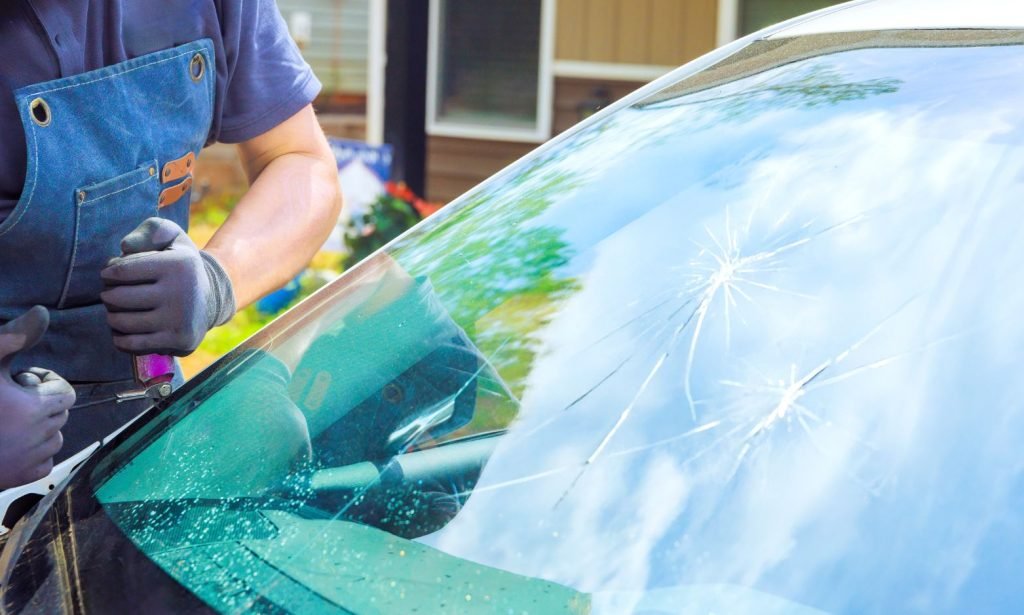
If your sunroof has a small crack, repair might be possible. A crack smaller than a quarter. A crack that is not spreading. A crack that does not affect the seal around the glass.
Small cracks can sometimes be sealed with special resin. The resin fills the crack. It hardens. It prevents the crack from spreading. It keeps water from leaking in.
This repair is not guaranteed to work forever. But it can extend your sunroof life and give you time before replacement becomes necessary.
The repair process for small cracks
A technician cleans the crack thoroughly. They remove any loose glass or debris. They dry the area completely. They apply special repair resin into the crack. They let it cure completely.
The repair typically takes a few hours. Cost is usually between 300 and 600 dollars depending on the crack size and location.
This is way cheaper than sunroof replacement which costs 1000 to 3000 dollars or more depending on your vehicle.
But the repair is not guaranteed. The crack might continue spreading. The repair might fail. You might get a few months of life or several years. It is a gamble.
According to research from Auto Glass Safety Council, sunroof cracks repaired with resin injection have approximately 65 percent success rate for lasting more than one year, making repair viable for small cracks as a temporary solution.
Medium cracks usually need replacement
Once your crack gets to about the size of a quarter or larger, repair becomes risky. Larger cracks are harder to seal completely. The stress across the larger crack makes it likely to spread despite repair attempts.
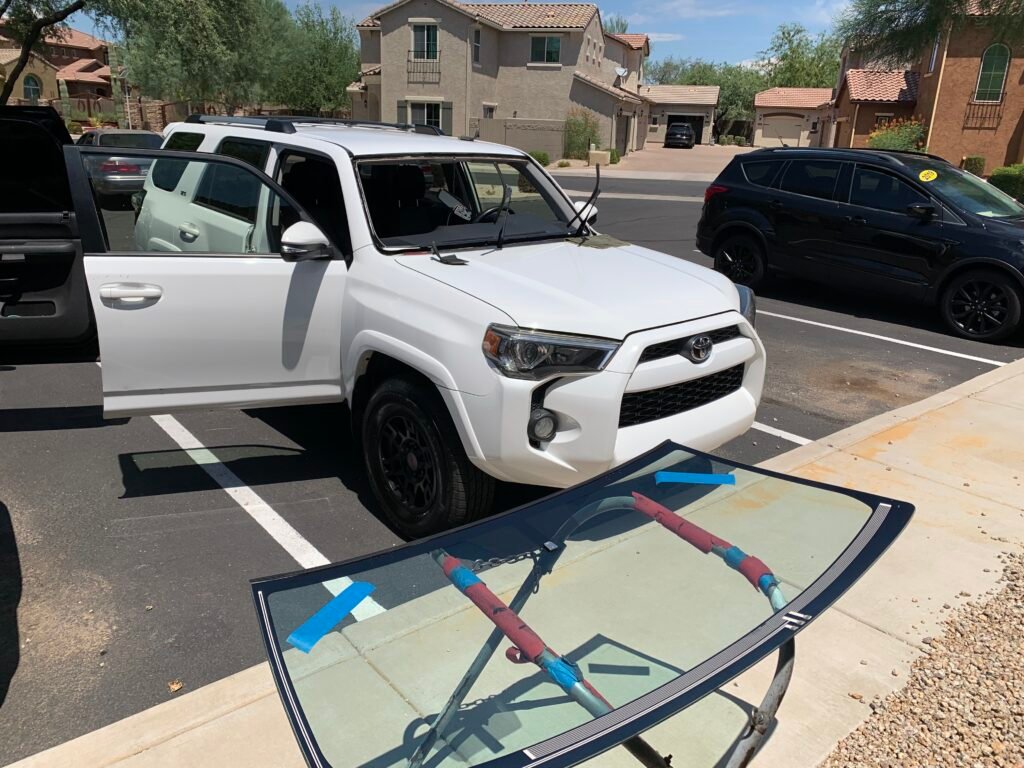
Medium cracks usually respond better to replacement than repair. You remove the entire sunroof panel and install a new one. You get a fresh undamaged sunroof. You eliminate the risk of failure from an existing crack.
Replacement costs more upfront. But you get reliability that repair cannot guarantee.
Premiere Auto Glass usually recommends replacement for cracks larger than about an inch because repair reliability drops significantly.
Cracks in critical locations need replacement
Even small cracks in certain locations need replacement instead of repair. A crack at the edge where the glass bonds to the frame. A crack in a corner. A crack near the seal. These locations are structurally critical.
Repairing these critical location cracks is risky. The repair might not hold. The structural issue might get worse. Replacement is the safer choice.
Your technician can evaluate whether your specific crack is in a critical location. Trust their judgment on this because it affects your safety.
Spreading cracks always need replacement
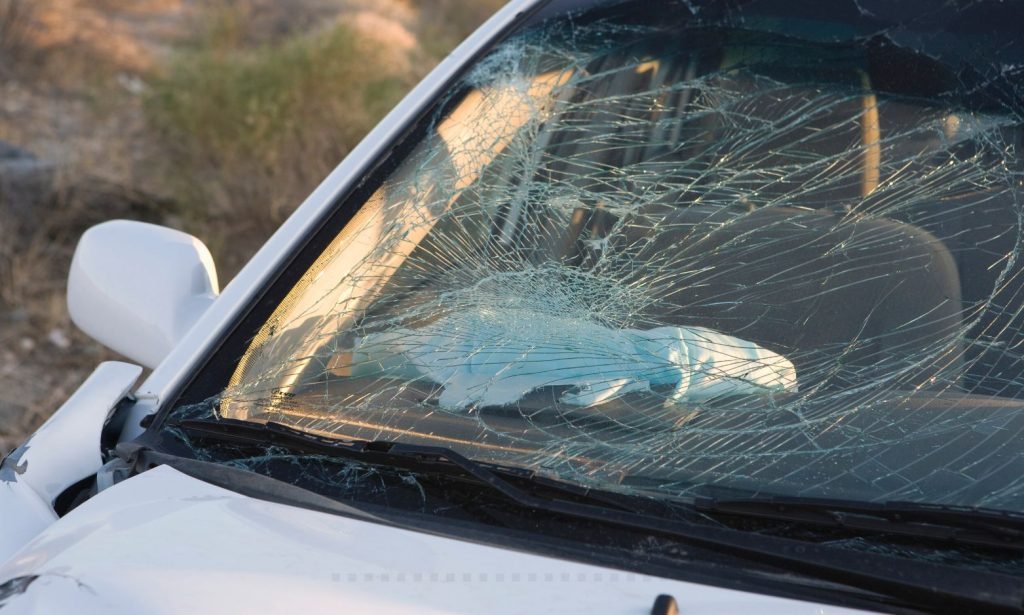
If your crack is spreading visibly, replacement is the only option. A spreading crack is a sign of stress that repair cannot handle.
Do not wait with a spreading crack. Get replacement done immediately. A spreading crack can suddenly fail while driving creating a dangerous situation.
Replacement before the crack becomes catastrophic is way safer than hoping the crack stays stable.
Why cracks spread
Stress in the glass causes cracks to spread. Temperature swings cause stress. Driving on rough roads causes vibration and stress. Weight on the roof causes stress. Any environmental stress accelerates crack spreading.
Once a crack starts spreading, it will not stop without intervention. Repair might slow it down temporarily. But replacement is the only permanent solution.
Your vehicle model affects repair versus replacement decision
Some vehicles are easier and cheaper to replace sunroofs than others. Some vehicle sunroofs cost 800 dollars to replace. Others cost 3000 dollars or more.
If your sunroof replacement is relatively cheap, repair makes less sense. You are paying maybe 400 to fix something that might fail anyway. Replacement costs only twice as much but gives you a guaranteed working sunroof.
If your sunroof replacement is expensive, repair makes more sense financially. You save money upfront. Even if it fails later, you had months or years of use.
Premiere Auto Glass knows sunroof replacement costs for different vehicles and can advise whether repair or replacement makes more financial sense for your specific situation.
Warranty considerations matter
If your sunroof is under warranty, check your warranty coverage for cracks. Some warranties cover cracks. Some do not.
If you get a repair and it fails before warranty expires, the dealer might cover replacement. If you get replacement, you get a brand new sunroof with fresh warranty.
Understanding your warranty coverage helps you make the right decision about repair versus replacement.
Insurance might cover sunroof cracks
Comprehensive auto insurance policies usually cover sunroof damage from storms, hail, or collisions. Check your specific coverage because policies vary.
Filing a claim might have a deductible. Your deductible might be higher than repair cost making replacement through insurance make more sense than paying out of pocket for repair.
Contact your insurance company before deciding on repair or replacement. Let them help you understand your coverage options.
The peace of mind factor
Repair is cheaper but creates uncertainty. You wonder if it will hold. You worry about it failing at a bad time.
Replacement costs more but gives you peace of mind. You know your sunroof is new. You know it works. You do not have to worry about failure.
For some people this peace of mind is worth the extra cost. For others the financial savings from repair are more important than peace of mind.
Both choices are defensible. It depends on your personal priorities.
Making your repair versus replacement decision
Evaluate these factors to decide whether repair or replacement makes sense for your situation.
How big is the crack. How fast is it spreading. Where is it located. How expensive is replacement for your vehicle. What does your warranty cover. What does your insurance cover. How much peace of mind matters to you.
Consider all these factors together. Different situations lead to different decisions.
Premiere Auto Glass helps customers evaluate their specific situation and choose the option that makes the most sense.
Getting the repair or replacement done properly
Whether you repair or replace, do the work properly. Use quality materials. Use skilled technicians. Make sure the job is done right.
Poor quality repair fails quickly. Poor quality replacement creates water leaks and problems. Doing it right matters whether you are repairing or replacing.
Premiere Auto Glass does both repair and replacement with quality that lasts. The team uses proper materials and proven techniques.
Preventing future sunroof cracks
Once you deal with your current crack whether through repair or replacement, you want to prevent future cracks.
Avoid parking under trees. Cover your sunroof in hail prone areas. Keep your roof clear of heavy items. Avoid driving near large trucks that kick up debris. Be careful opening and closing your sunroof to avoid stress cracks.
These preventive measures reduce the risk of future sunroof damage.
Your sunroof decision depends on your situation
There is no one right answer for everyone. Repair makes sense in some situations. Replacement makes sense in others.
Evaluate your specific circumstances honestly. Make the decision that balances cost with reliability and peace of mind.
Premiere Auto Glass can evaluate your sunroof crack and recommend the best option for your situation. Schedule your sunroof evaluation today and get honest advice about whether repair or replacement makes the most sense for you.
FAQs
How long does sunroof repair take?
Repair typically takes 2 to 4 hours depending on crack size and location. The resin needs time to cure completely. You might need to leave your vehicle at the shop for a few hours. Replacement takes longer usually 4 to 8 hours because the entire sunroof panel needs to be removed and installed. Both can usually be done same day but call ahead to confirm timing.
Will my repaired sunroof crack again?
Repair success depends on crack size and location. Small well sealed cracks often hold for years. Larger cracks or cracks in critical locations are more likely to fail again. The repair is not guaranteed to be permanent. You are essentially getting a temporary solution that might extend your sunroof life or might fail relatively soon.
How much does sunroof replacement cost?
Replacement costs vary wildly based on vehicle model. Budget between 800 and 3000 dollars for parts and labor. Luxury vehicles cost more. Some basic models cost less. Get a specific quote for your vehicle model from your glass shop. Insurance might cover some or all of the cost depending on your coverage.
Can I drive with a cracked sunroof?
You can drive with a cracked sunroof but it is not ideal. Water might leak in during rain. The crack might spread from vibration. The structural integrity is compromised. It is better to get repair or replacement done quickly. Do not ignore a cracked sunroof for months.
Is sunroof repair worth it or should I just replace?
For small cracks in non critical locations, repair makes sense financially if your replacement cost is high. You save money upfront. For larger cracks or critical location cracks, replacement is safer and more reliable. Consider your vehicle’s replacement cost, your budget, and your tolerance for risk when deciding.