
Quick Summary: What This Blog Covers
This blog explains how old or worn wiper blades slowly drag dust and debris across your windshield, leading to fine scratches over time.
It also highlights early warning signs of bad wipers and simple habits that help protect your glass and avoid costly damage.
Introduction
At Premiere Auto Glass, we see the same situation all the time. Someone walks in with a scratched windshield and says, “I never hit anything, so how did this happen?”
Most of the time, the answer surprises them. It comes from something very simple. Old wiper blades.
People usually ignore wipers until they become annoying. They start making noise, or they leave streaks, and even then, most drivers push replacement a little further. It feels like a small issue that can wait.
But here’s the truth. Waiting too long can slowly damage your windshield. That is exactly why Why Skipping Wiper Replacement Leads to Windshield Scratches is something every driver should understand.
How worn wipers start scratching glass
Wipers do not fail suddenly. They wear down little by little.
At first, you just notice they don’t clean as smoothly. Then you see streaks. After that, you might hear a light squeak.
Most people stop there and think it’s still fine.
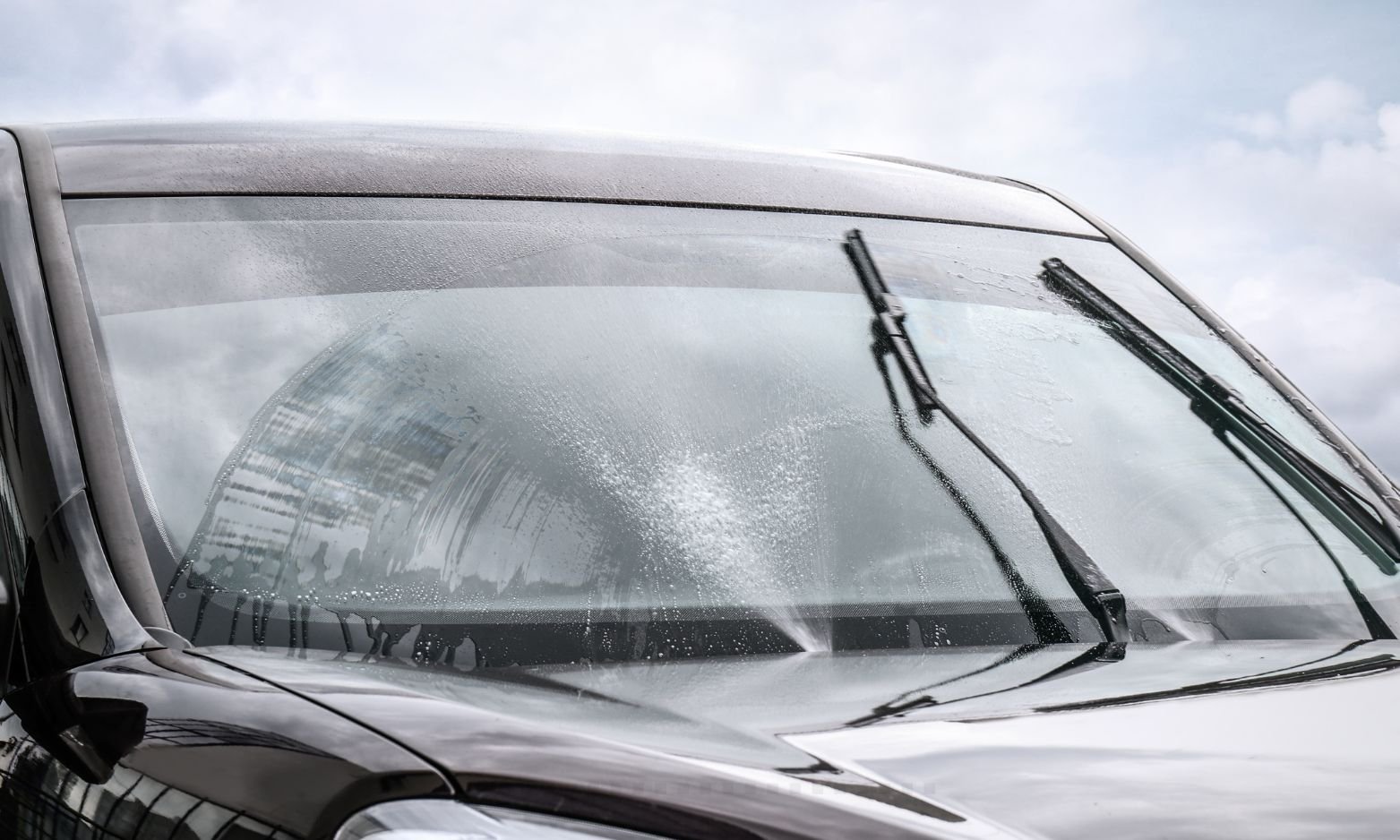
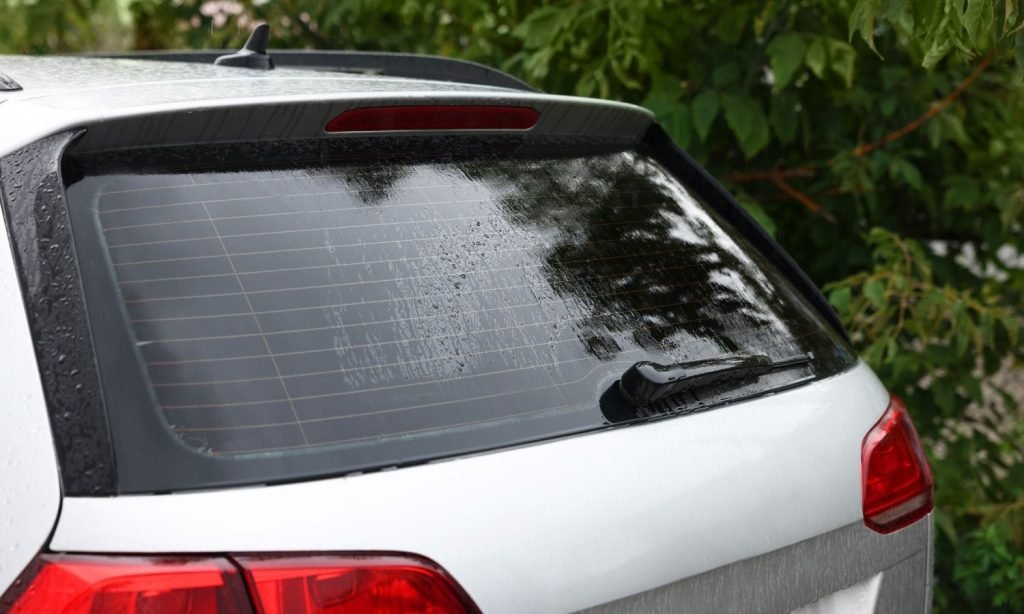
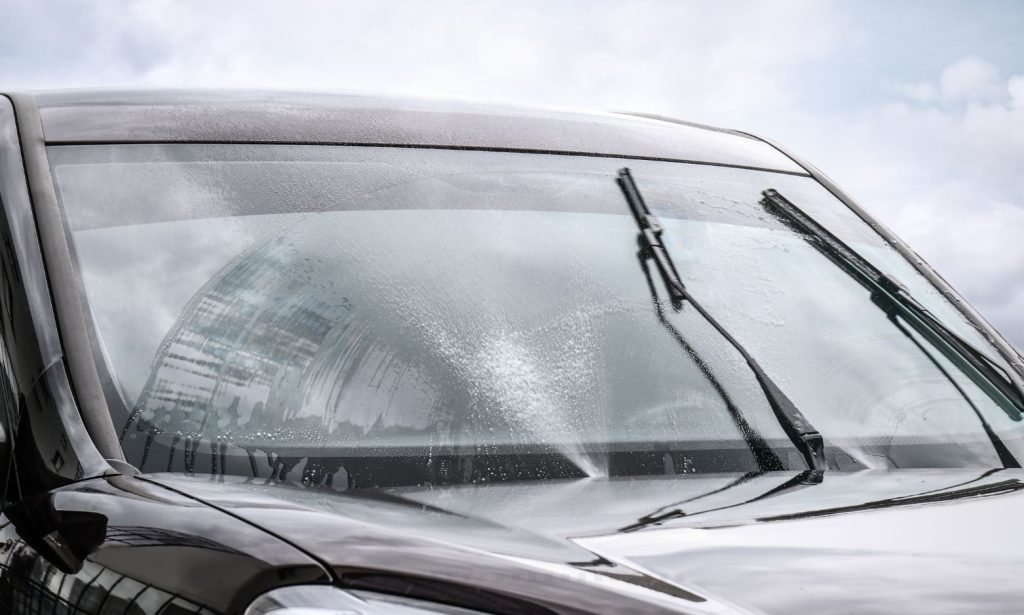
But the rubber on the blade starts breaking down at this stage. It gets rough and uneven. So instead of sliding smoothly on glass, it starts dragging tiny dust particles across the surface.
That is where scratches begin.
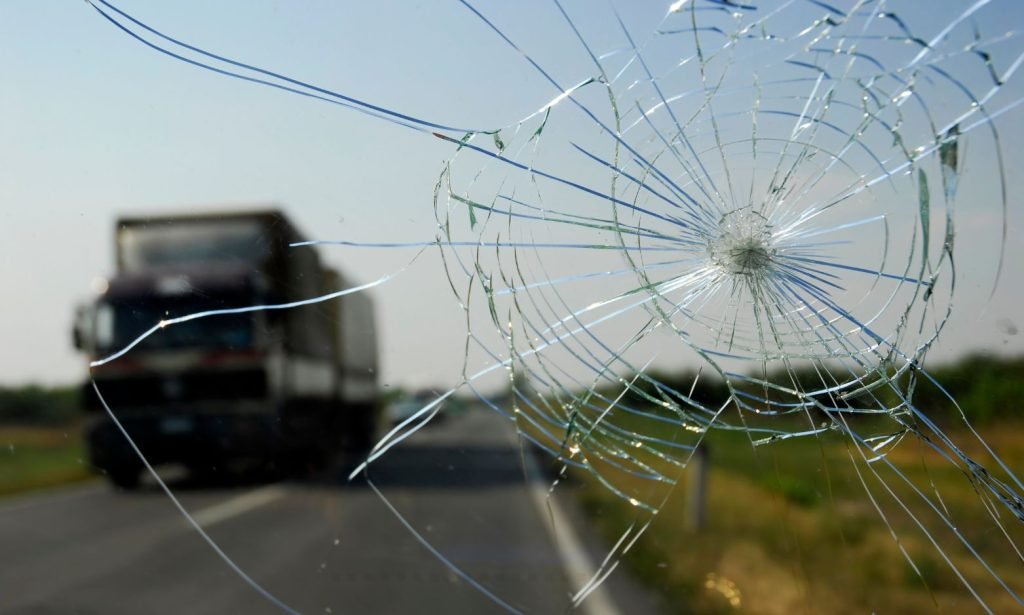
You don’t see them right away. They start small, almost invisible. But every time you use worn wipers, those tiny marks keep building up.
The part most drivers don’t think about
A windshield looks smooth, but it is not perfectly smooth. Under a microscope, it has tiny uneven spots.
Good wiper blades glide over that surface and push water away cleanly.
Bad wiper blades don’t glide. They drag.
Now add dust, dirt, and road particles. The blade pulls all of that across the glass again and again. That rubbing effect slowly etches fine lines into the windshield.
You won’t notice it after one rainy day. You notice it after weeks or months.
That is the real reason Why Skipping Wiper Replacement Leads to Windshield Scratches.
Why people delay replacing wipers
Honestly, it comes down to priorities.
Wipers still move, so people assume they are fine. There is no immediate danger, so it stays on the “later” list.
Most drivers also wait for complete failure. They think replacement only matters when the wipers stop working completely.
But by that time, damage often already starts on the glass.
We see this gap all the time in the shop. The wipers still “work,” but they already stopped protecting the windshield.
How scratches actually affect driving
At first, scratches look like a cosmetic issue. You might even ignore them.
But once they build up, they start affecting visibility.
At night, headlights from other cars scatter more. On rainy days, the glass looks slightly foggy even when wipers run. In sunlight, glare becomes stronger.
It doesn’t feel dramatic at first. It just feels a little “off.”
But that small difference matters more than people think, especially in bad weather or highway driving.
Early warning signs you should not ignore
Wipers usually give small hints before they start damaging the glass.
Watch for things like:
- streaks that don’t go away after wiping
- squeaking or chattering sounds
- uneven cleaning across the windshield
- rubber edges that look cracked or stiff
- smearing instead of clear wiping
These signs mean the blade already lost smooth contact with the glass.
This is the stage where scratches can start forming.
Dust makes the problem worse
Even a little dust on the windshield can turn into a problem with worn wipers.
When the blade passes over dust, it drags those particles across the glass. Think of it like rubbing sand across a surface over and over.
That is what creates fine scratches.
This gets worse when drivers use wipers on a dry or almost dry windshield. The friction increases and the blade cannot glide properly.
Why delaying replacement costs more later
A set of wiper blades costs far less than windshield repair or replacement.
But most drivers don’t think about it that way.
They delay a small expense and end up with a bigger one later. Once scratches spread across the viewing area, cleaning won’t fix them.
Sometimes polishing helps a little, but deep or widespread scratches usually stay.
That is when people end up needing glass replacement instead of just wipers.
When you should replace wipers
You don’t need to guess. Wipers usually tell you when they need changing.
Replace them when:
- they start streaking often
- they make noise every time you use them
- they feel rough instead of smooth
- rubber looks cracked or worn out
- water stays on the glass instead of clearing properly
Most drivers wait too long. Replacing early protects your windshield much better than waiting for full failure.
Simple habits that protect your windshield
You don’t need anything complicated here. Just a few small habits help a lot.
- clean your windshield regularly so dust doesn’t build up
- check wipers every few weeks
- use washer fluid instead of plain water
- avoid running wipers on a dry windshield
- replace blades as soon as performance drops
These things sound simple, but they make a big difference over time.
What we see at Premiere Auto Glass
We can usually tell when scratches come from wipers.
Customers often think something hit their glass or a rock caused the damage. But when we inspect closely, we see the same pattern again and again.
Worn rubber + dust + time.
That combination slowly marks the windshield. It doesn’t happen in one day. It happens because the wipers stayed on the car longer than they should have.
The frustrating part is that it’s completely preventable.
Final thoughts
If you look closely at Why Skipping Wiper Replacement Leads to Windshield Scratches, the answer is actually simple.
Worn wipers stop cleaning and start dragging dirt across glass. That repeated friction slowly leaves marks. Most drivers don’t notice until it becomes visible.
The good news is you can avoid all of it with one small habit. Replace wipers on time.
It is a small part of your car, but it protects something very important your visibility.
At Premiere Auto Glass, we see the difference clearly. Drivers who replace wipers on time rarely deal with windshield scratching issues. Drivers who delay usually end up with more expensive repairs later.
Simple fix. Big difference.
FAQs
1. Can wipers really scratch a windshield?
Yes. Old or damaged rubber drags dust across the glass and creates fine scratches over time.
2. How often should I change wiper blades?
Most drivers should change them every 6 to 12 months depending on usage and weather.
3. Why do my wipers leave streaks?
Streaks usually mean the rubber has hardened or worn out and no longer makes proper contact.
4. Can scratches be removed from glass?
Light scratches sometimes improve with polishing, but deeper ones usually stay.
5. What is the easiest way to prevent windshield scratches?
Replace wipers on time and keep the windshield clean so dirt doesn’t get dragged across it.