
Summary of the Blog
This blog covers how a repaired windshield performs in a collision compared to a new one. It explains that while repair restores basic function, the repaired spot remains weaker and can fail under heavy impact. Understanding this trade off helps drivers make a smarter choice between repair and replacement.
Introduction
You had a windshield chip or crack. You got it repaired instead of replaced. The repair worked great. Your windshield looks good. The seal seems solid. Everything seems fine.
But now you are worried. What happens if you get in an accident. What if something hits your windshield hard. Will your repaired windshield hold up. Will the repair fail. Will you be at risk.
This worry makes sense. Your windshield is part of your safety system. A damaged safety system is concerning. You want to know whether your repaired windshield is strong enough to actually protect you in a collision.
The truth is more complicated than yes or no. Repaired windshields can handle collisions. But they do not handle collisions the same way new windshields do. Your repaired windshield has limits. Understanding those limits helps you know whether your repair is safe enough.
Most people have no idea what to expect from a repaired windshield in a collision. They assume repair means the windshield is back to normal. Actually repair is not the same as replacement. A repaired windshield is functional but different from a new windshield.
Understanding how your repaired windshield performs in a collision helps you make smart decisions about whether repair is really adequate or whether replacement is actually the safer choice.
Premiere Auto Glass helps customers understand what their repaired windshields can and cannot handle. The team knows exactly how repaired glass performs in collisions. The team knows when repair is safe and when replacement is actually necessary. This guide walks you through exactly how a repaired windshield handles a collision and what you need to know to stay safe.
How windshield repair works and why it matters
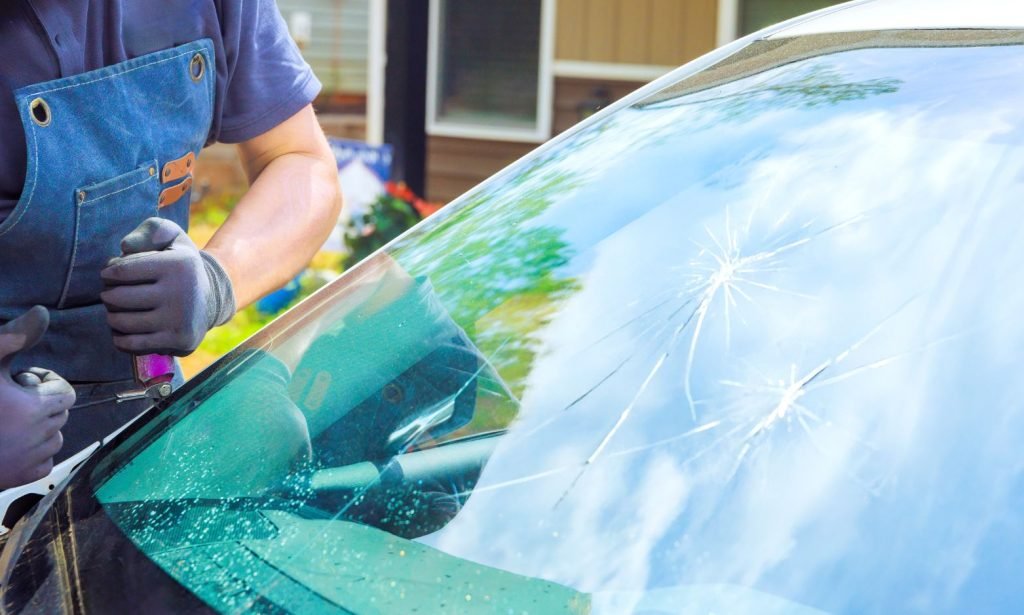
Windshield repair fills the damage with special resin. The resin is injected into the crack or chip. It hardens and bonds the glass together.
This repair process stops the damage from spreading. It prevents water and air from getting in through the damage. It restores some of the windshield strength.
But repair does not return the windshield to its original condition. The repair spot is still weaker than undamaged glass. The repaired area has a different density than the surrounding glass.
Think of it like fixing a crack in a wall. You fill the crack with caulk and paint it. The wall looks fixed. But the spot where the crack was is now weaker than the original wall. If something hits that spot, it breaks more easily than the original wall.
Your windshield repair works the same way. The repair makes the windshield functional again. But the repaired area is the weak point.
Why the repair spot is weaker
The resin used in windshield repair is not the same as glass. Resin is softer than glass. It bonds to glass but it is not as hard.
When your windshield gets hit, force concentrates at the weakest point. The repaired area is the weakest point. The force breaks through the repair first.
This does not mean your windshield fails catastrophically. But it does mean your repaired windshield is more likely to break in a collision than a brand new windshield.
Premiere Auto Glass explains this reality to customers so they understand their repaired windshield is functional but has limitations.
How a repaired windshield fails in a collision
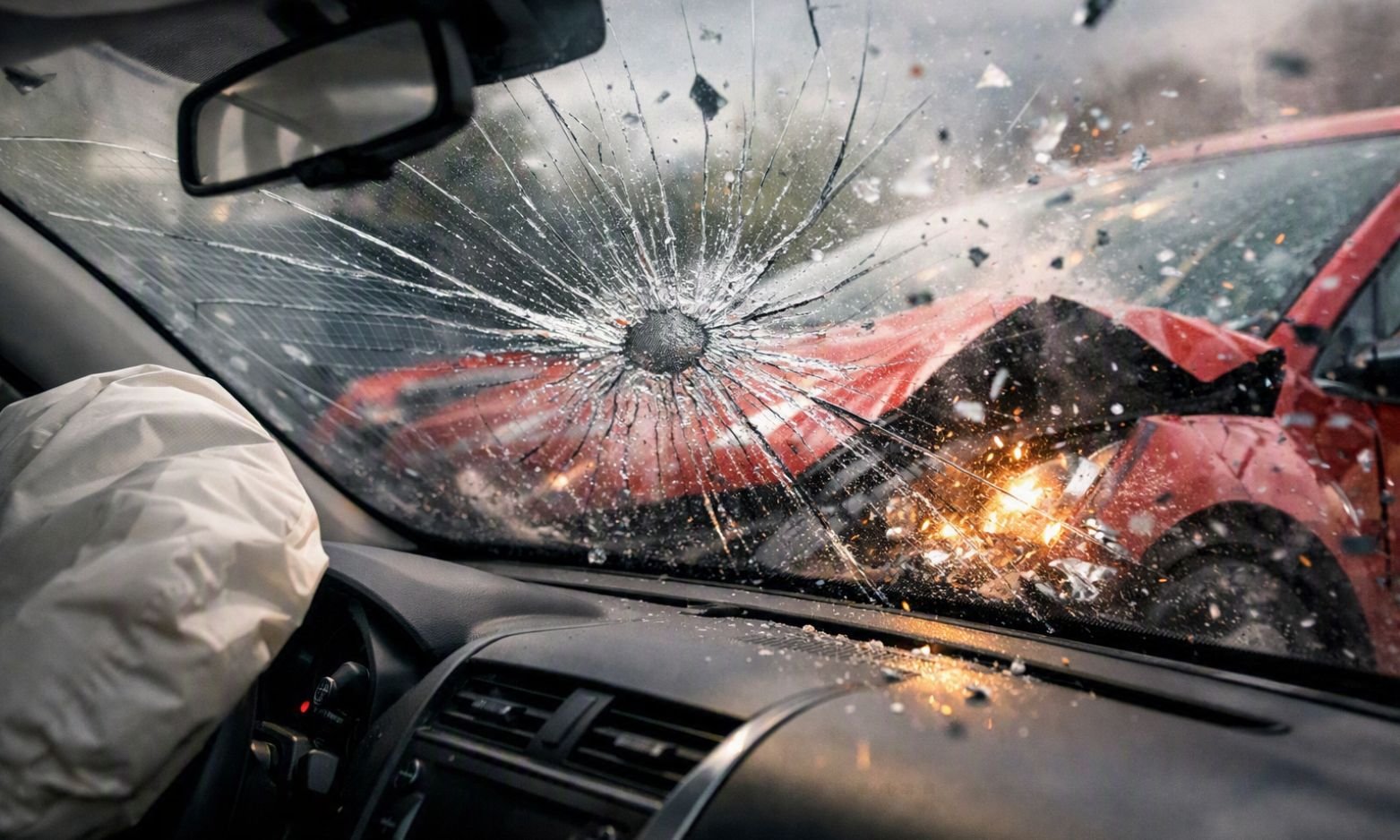
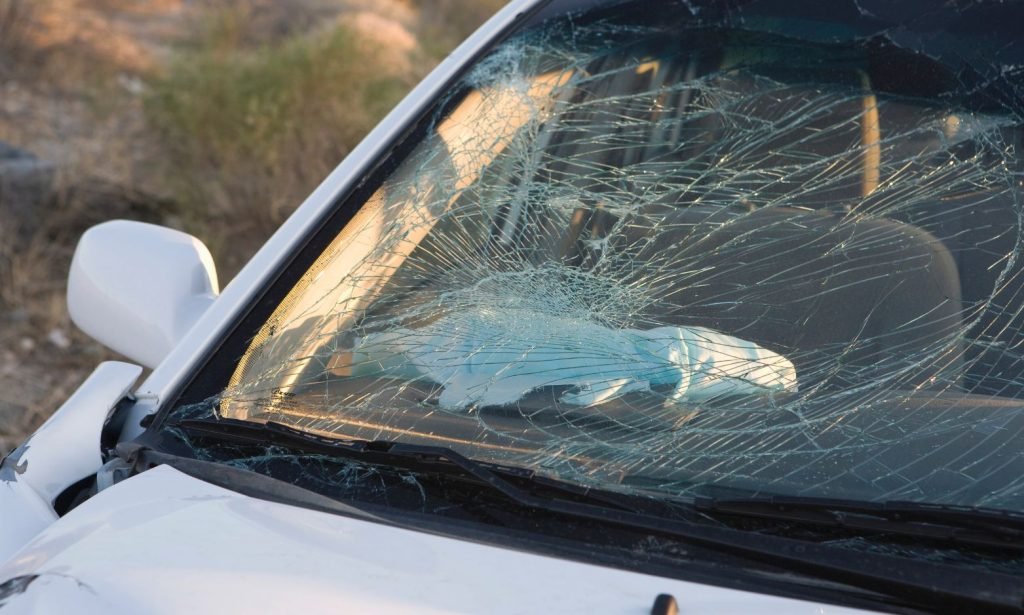
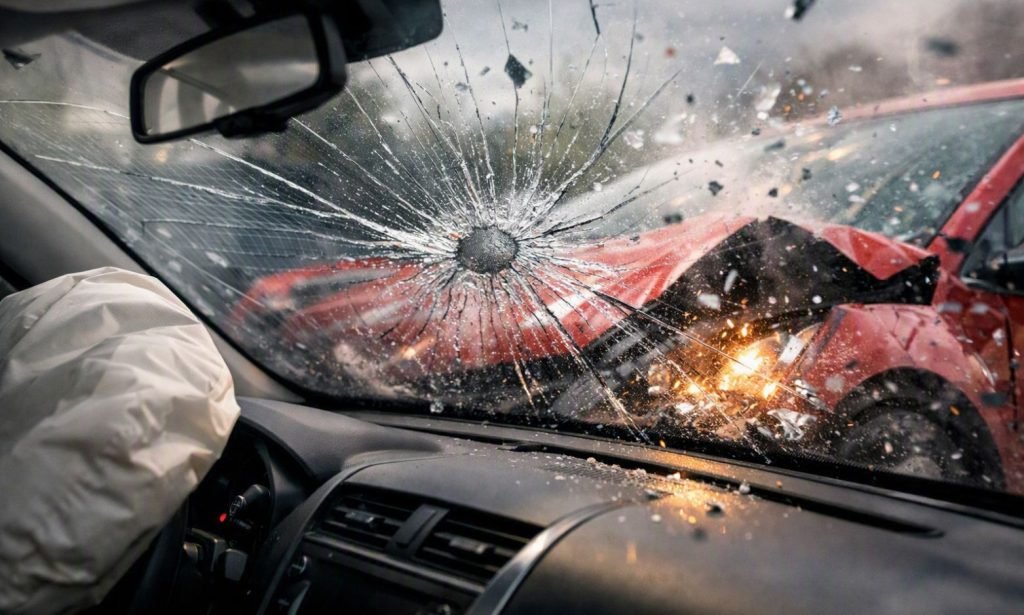
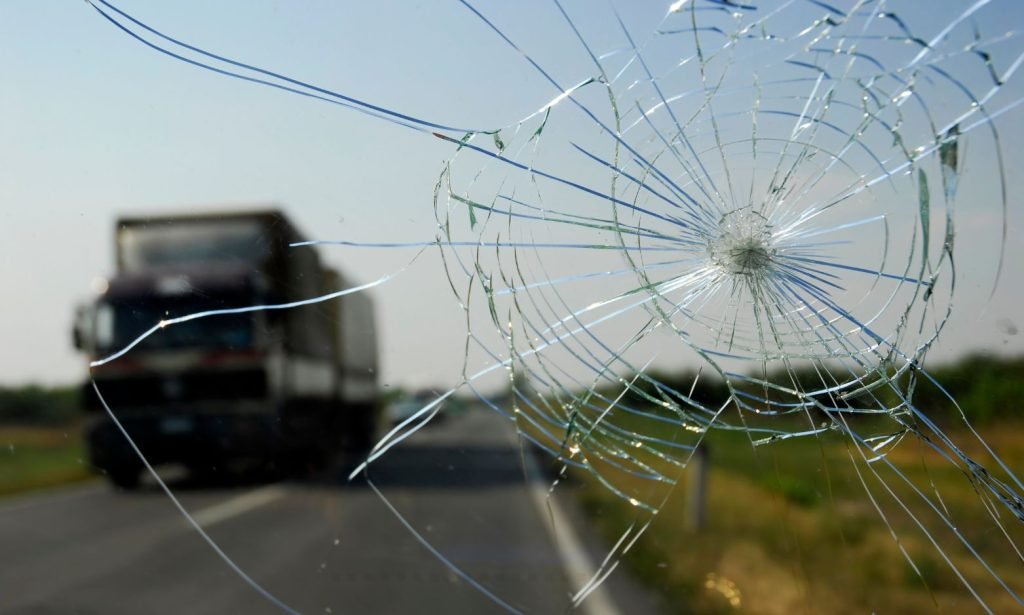
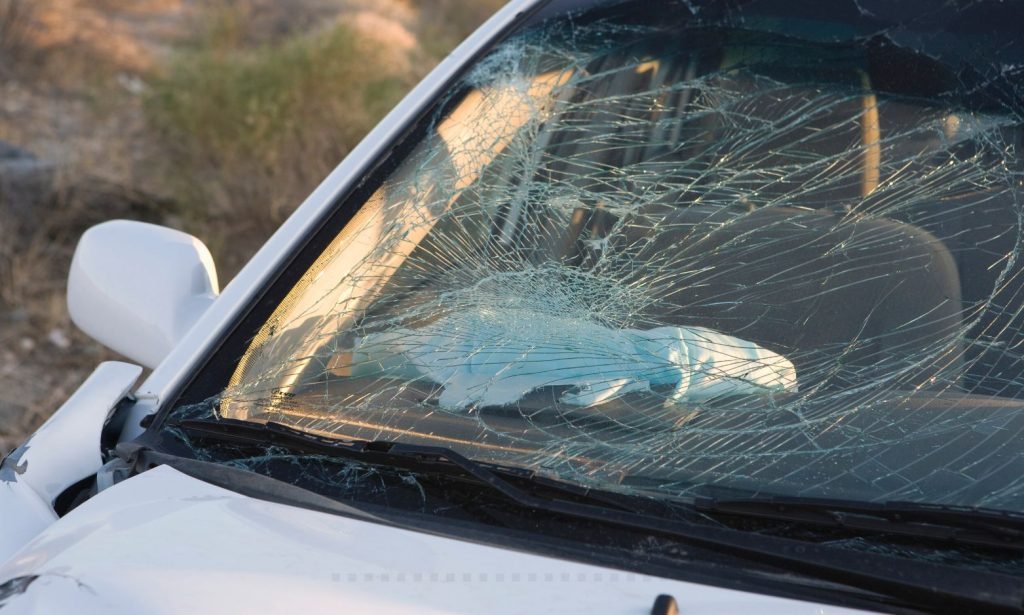
When force hits your repaired windshield, the repair fails first. The resin breaks or separates from the glass. The crack reopens or gets worse.
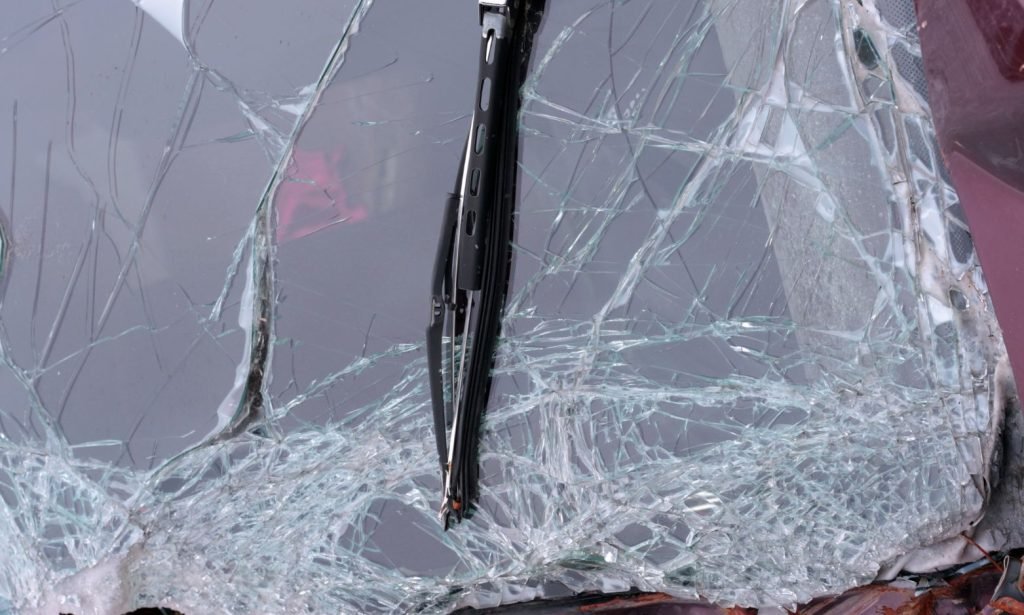
Once the repair fails, the windshield no longer provides the structural support it did before. The glass can crack further or shatter.
The severity of failure depends on the force. A minor impact might just break the repair without cracking the glass further. A major impact can crack through the repaired area into undamaged glass.
The chain reaction of failure
A repair failure does not always stop at just the repair. Once the repair fails, stress transfers to surrounding glass. The glass at the edge of the repair gets stressed. Cracks can propagate outward.
This chain reaction means a collision that would barely affect a new windshield can completely destroy a repaired windshield.
This is not a flaw in the repair process. This is the reality of how resin reinforced glass behaves when it gets hit hard.
Repaired windshields still provide some safety value
Even though repaired windshields are weaker than new windshields, they still provide safety value in collisions.
Your windshield is part of your vehicle structure. It helps support the roof. It helps deploy your airbags correctly. It contributes to overall vehicle rigidity.
A repaired windshield still provides these functions. It might not provide them as effectively as a new windshield. But it still contributes to your safety.
In a minor collision, your repaired windshield probably holds up just fine. In a major collision, your repaired windshield is more likely to fail than a new windshield would be.
Airbag deployment considerations
Your airbag deploys against your windshield. The windshield needs to be structurally sound for proper airbag function.
A new windshield provides the right resistance for correct airbag deployment. A repaired windshield might not provide the same structural support.
If your windshield is repaired, the repair needs to be solid for airbag deployment to work correctly. A weakened repair could cause airbag malfunction.
This is one reason why some safety experts recommend windshield replacement instead of repair when it comes to collision safety.
According to safety research from NHTSA, windshield structural integrity is critical for airbag deployment and vehicle roof support, with compromised windshields increasing injury risk by up to 24 percent in frontal collisions compared to properly functioning windshields.
The size and location of the repair matters
Not all repairs are equal. A small chip repair in a corner of your windshield is low risk. A large crack repair across the width of your windshield is higher risk.
The location of the repair also matters. A repair near the edge is less critical than a repair in the center where your windshield is under the most stress.
Multiple repairs on the same windshield increases overall weakness. One strong repair might handle a collision. Multiple repairs compound the weakness.
Your windshield does not have unlimited repair capacity. Eventually you need replacement instead of more repairs.
When repair becomes risky
Most windshield repair shops have limits on what they will repair. Cracks longer than a certain length. Repairs too close together. Multiple repairs on the same windshield. These situations require replacement.
Professional repair shops refuse to repair windshields when repair would not be safe. They recommend replacement instead.
If a shop tells you your windshield needs replacement instead of repair, listen to them. They are protecting your safety, not trying to upsell you.
Premiere Auto Glass recommends replacement when repair would not be safe.
Your insurance company might have opinions
Many insurance companies have policies about windshield repair versus replacement. Some require repair if possible. Some cover replacement even when repair is possible.
Check your specific insurance policy. Understand what your coverage includes. Ask your insurance company whether they recommend repair or replacement for your specific damage.
Your insurance company cares about cost and safety. If they recommend replacement, that is usually because repair would not be safe enough.
The decision between repair and replacement
After windshield damage, you have a choice. Repair or replace. This choice affects your safety in collisions.
If you choose repair, understand that your windshield is now weaker in that spot. You are trading cost savings for reduced collision protection.
If you choose replacement, you get a windshield that performs as designed in collisions. You pay more but you get full safety value.
There is no wrong choice. Both repair and replacement are legitimate options. But understanding the trade offs helps you make an informed decision.
Cost versus safety consideration
Windshield repair costs 200 to 600 dollars. Windshield replacement costs 500 to 2000 dollars or more. The cost difference is significant.
But your safety is worth something too. If that cost difference means you are driving around in a vehicle with reduced collision protection, is the savings worth it.
Only you can answer that question for your situation. But answer it knowing the safety implications.
Premiere Auto Glass helps customers make this decision by explaining what repair versus replacement means for their safety.
How to maximize repaired windshield safety
If you choose repair, take steps to protect your investment and safety.
Avoid high impact situations if possible. Do not use your windshield wipers aggressively on the repaired area. Do not expose your windshield to extreme temperature swings too quickly. Avoid driving on rough roads if possible.
These precautions help your repair stay intact longer. They reduce the risk of repair failure.
Monitor your repair over time. If you notice the repair is leaking. If you notice cracks spreading from the repair. If the repair seems to be failing. Get it replaced immediately.
Do not drive around with a failing repair. Replace it before the failure gets worse.
Regular inspection catches repair problems early
Inspect your windshield monthly. Look at the repaired area specifically. Look for leaks. Look for cracks spreading from the repair. Look for the repair separating from the glass.
Early detection of repair problems lets you replace before failure happens in a collision.
This monitoring is your responsibility. Your shop cannot monitor for you. You need to watch your own windshield.
The bottom line on repaired windshields and collisions
Repaired windshields can handle collisions. But they do not handle them as well as new windshields. Your repaired windshield is functional and safe for normal driving. But collision safety is reduced compared to a new windshield.
Understanding this reality helps you make smart decisions about your vehicle safety.
If you have significant driving concerns, replacement might be worth the extra cost. If you drive mostly local and low risk, repair is probably fine.
Make your decision knowing what your repaired windshield can and cannot do.
Premiere Auto Glass helps customers understand their repaired windshield capabilities and make smart safety decisions. Schedule your windshield safety consultation today and get professional guidance on whether your windshield repair is adequate for your driving situation.
Common questions about repaired windshields and collision safety
Is a repaired windshield safe for normal driving?
Yes. Repaired windshields are safe for normal everyday driving. They handle regular conditions fine. Repairs are designed to last long term. The issue is collision safety not normal driving safety. For normal driving, a repaired windshield is perfectly adequate.
Will a repaired windshield fail in a minor fender bender?
Maybe. Depends on the collision severity and where the repair is located. A minor fender bender might not affect your windshield at all. A fender bender with direct windshield impact might break the repair. There is no guarantee either way. The repair is weaker but might still hold up.
How long does a windshield repair last before it fails?
A quality windshield repair can last years or even the life of your vehicle. Repairs do not have a set expiration date. They fail if something damages them like a collision or temperature shock. A properly done repair on a small chip might never fail. A repair on a large crack might fail eventually from stress.
Should I tell my insurance company I got a repair instead of replacement?
Yes. Be honest with your insurance company. Tell them you chose repair instead of replacement. Some insurance policies care about this. Some do not. But lying to your insurance company is a bad idea. Be truthful about your vehicle condition.
What if my repaired windshield fails and I did not know it was risky?
If your repaired windshield fails in a collision, you are liable for replacement. Insurance might cover it or might not depending on your policy and whether you disclosed the repair. This is another reason to understand the risks of repair versus replacement. Make an informed choice so you understand what you are accepting.