
Quick Summary: What This Blog Covers
This blog explains why pouring boiling water on an icy windshield can cause thermal shock, cracks, or shattering. It also covers safer ways to remove ice and protect your windshield during winter.
Introduction
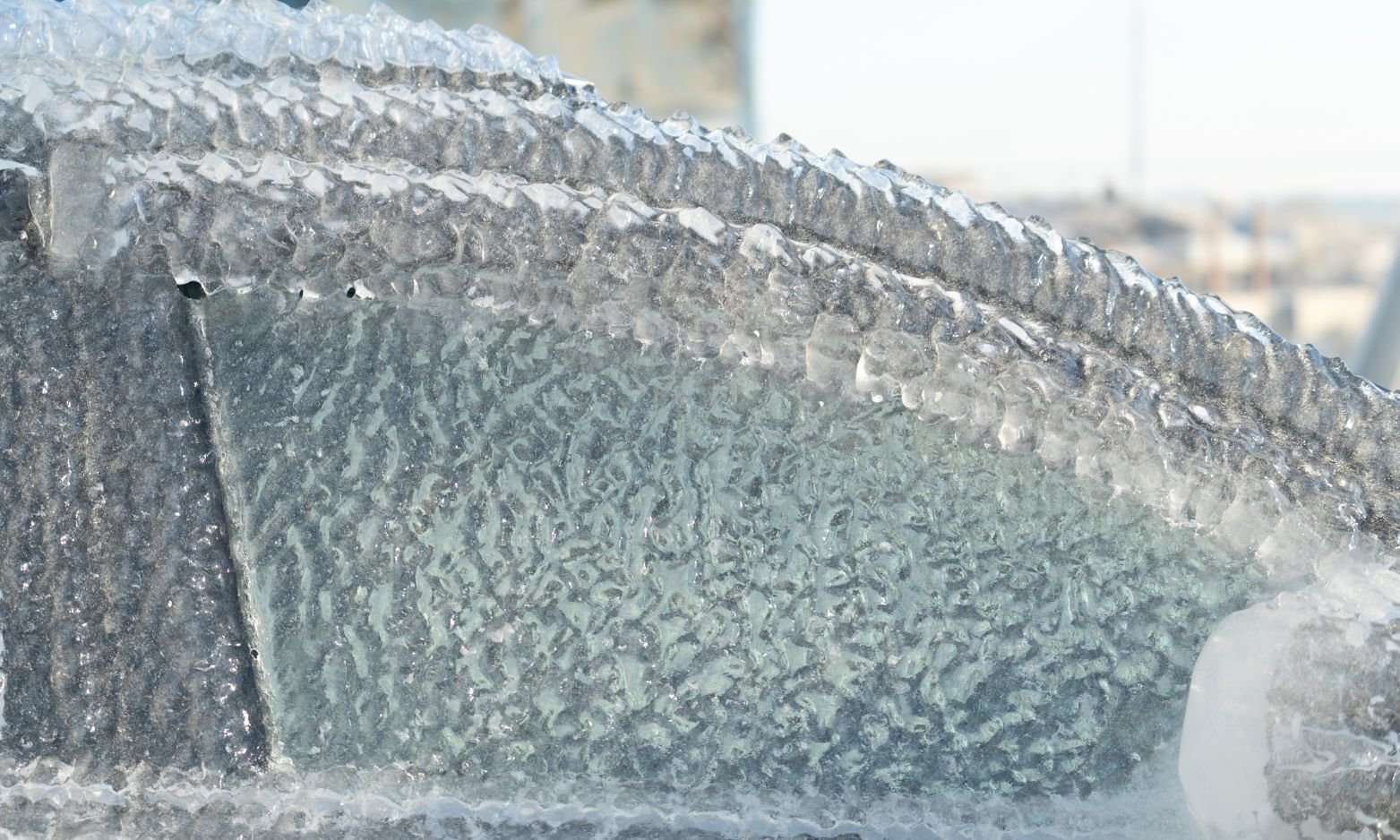
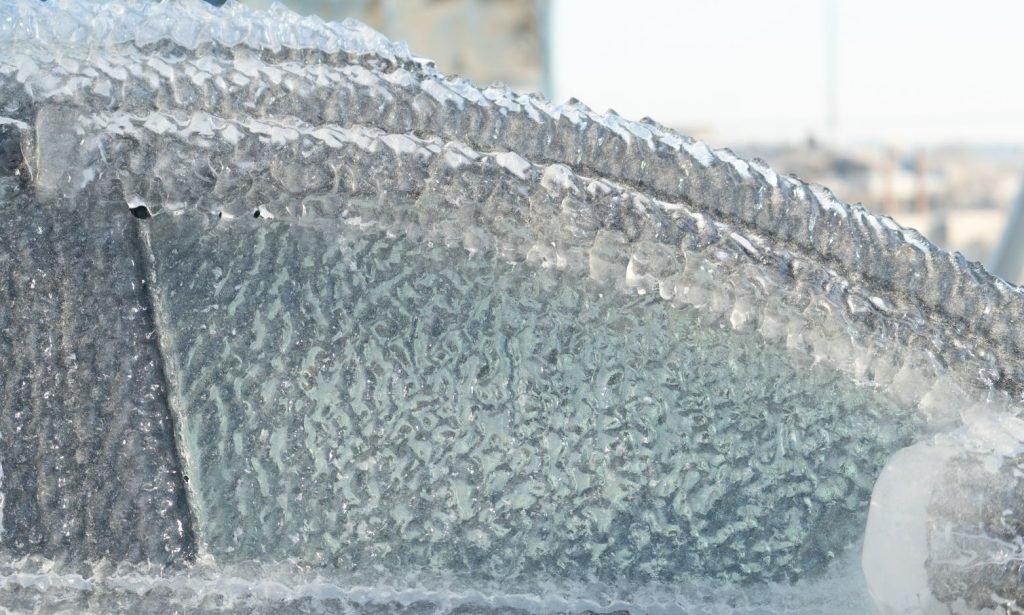
It is freezing cold. Your windshield is covered in ice. You need to get to work. You grab a kettle of boiling water and think about pouring it on your windshield to melt the ice fast.
Stop. Do not do that. Even though it seems like a good idea, boiling water on icy glass is actually dangerous. It damages your windshield. It can crack or shatter your glass. It puts you at risk.
But you are not alone in thinking this way. Tons of people use boiling water on icy windshields. They think it is the fastest way to clear ice. They do not realize they are destroying their windshield in the process.
The problem is thermal shock. Hot water hitting cold glass creates stress that breaks the glass. It seems harmless but it is actually one of the worst things you can do to your windshield.
Understanding why boiling water damages your windshield helps you protect your glass. It helps you use safe methods to clear ice. It saves you money by preventing windshield damage.
Premiere Auto Glass deals with boiling water damage to windshields constantly. The team sees preventable windshield damage from this risky practice regularly. The team also helps customers understand safe ice removal methods. This guide walks you through exactly why boiling water damages windshields and what you should do instead to safely clear ice and protect your glass.
Why people use boiling water on icy windshields
People use boiling water because it seems effective. Ice melts fast. The windshield clears quickly. You can drive immediately. It seems like the perfect solution.
But speed is not worth windshield damage. Yes, boiling water melts ice. But it also causes thermal shock that damages your glass. The problem is not visible immediately. You pour water, ice melts, you drive. Then later you notice cracks or your windshield shatters.
People keep using boiling water because they do not understand the damage it causes. They see it work and think it is safe. They do not realize the harm until damage appears.
Understanding the actual consequences makes people stop using boiling water. Once you know it damages your windshield, you want safer alternatives.
Thermal shock is what damages your glass
Thermal shock happens when glass experiences extreme temperature change quickly. Boiling water is around two hundred twelve degrees Fahrenheit. Your icy windshield is near freezing around thirty degrees Fahrenheit or lower.
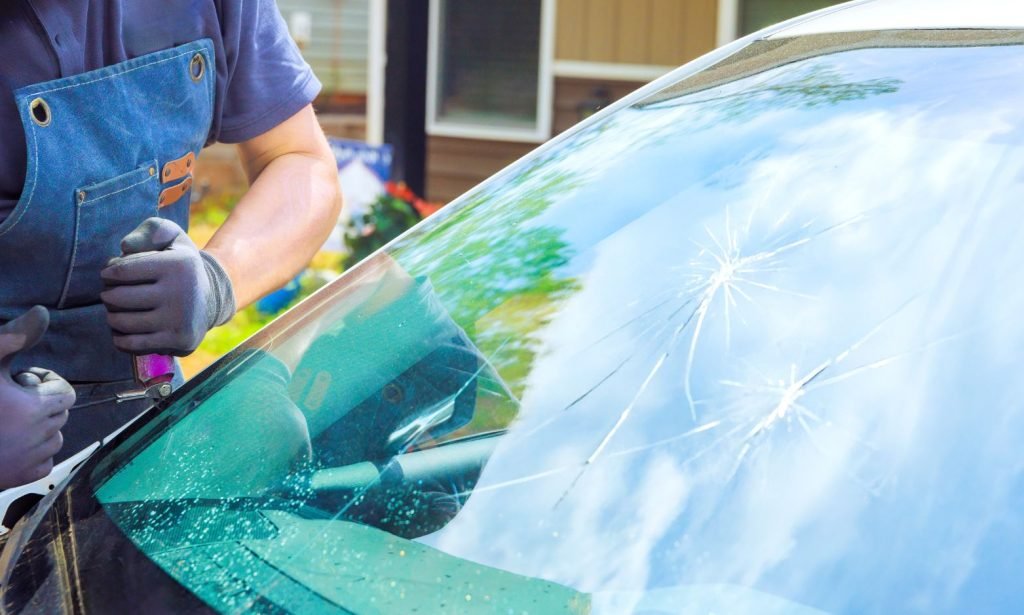
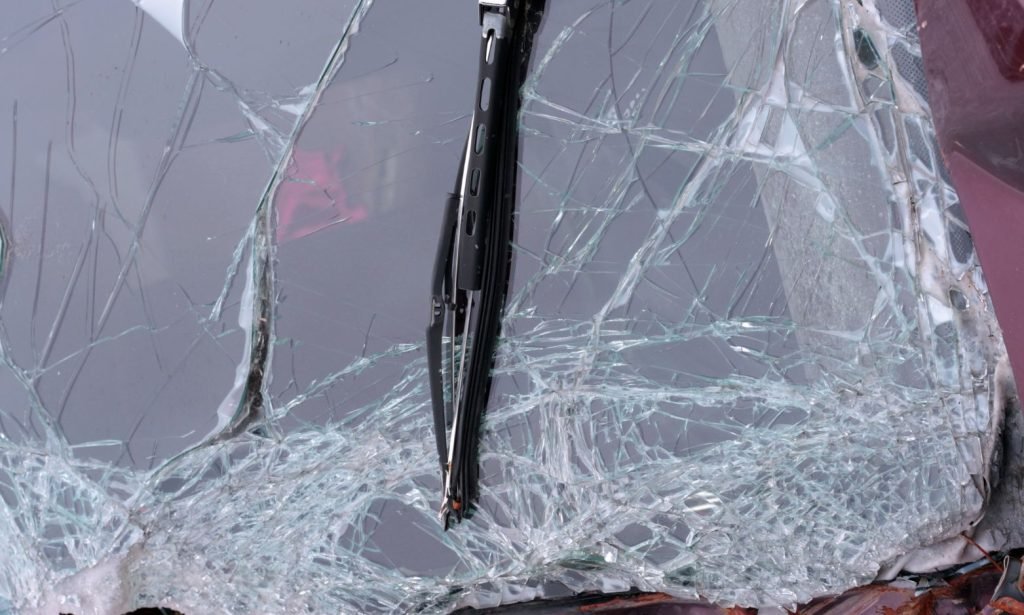
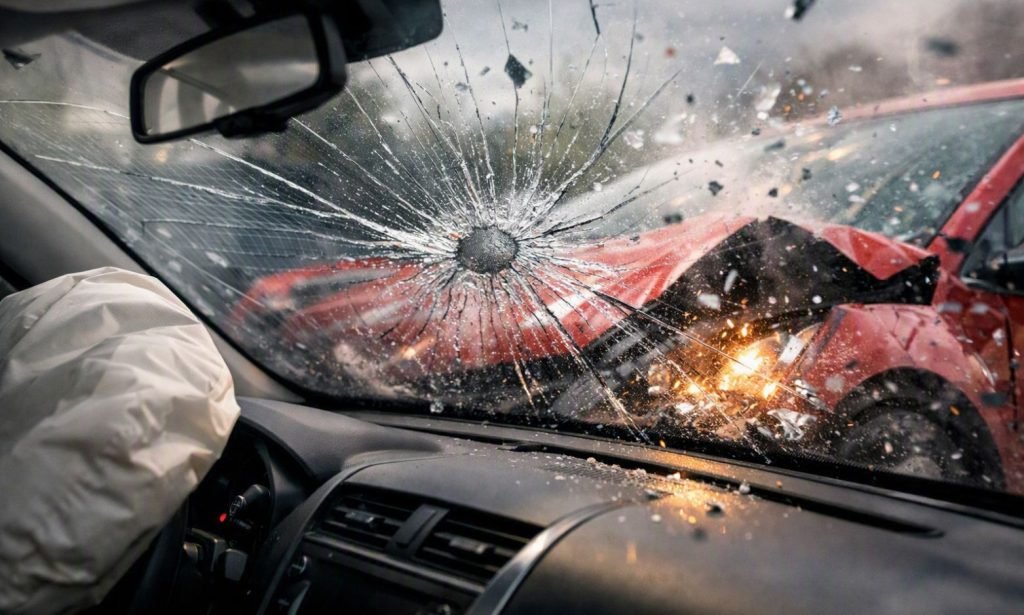
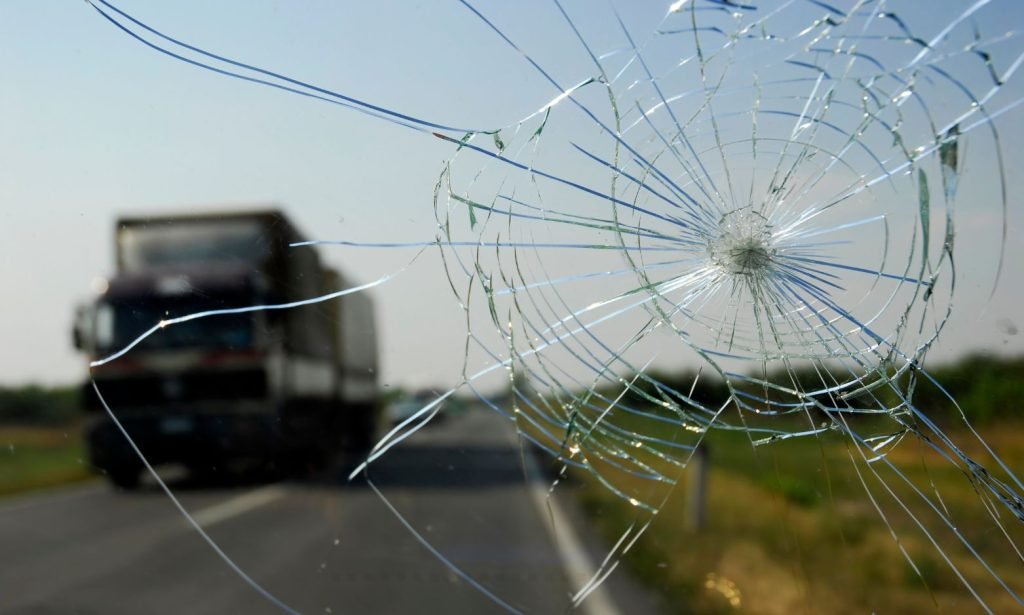
Pouring boiling water on cold glass creates a temperature difference of nearly two hundred degrees in seconds. This extreme temperature swing stresses the glass. The glass expands unevenly. Internal stress builds up. The glass cracks or shatters.
This is not a small risk. This is not something that might happen if you are unlucky. This is a probable outcome of using boiling water on icy glass.
How thermal shock works inside glass
Glass molecules move when temperature changes. Hot molecules move faster. Cold molecules move slower. When part of your windshield gets very hot very fast, those molecules expand rapidly.
But the parts of your glass that are still cold do not expand at the same rate. This creates internal stress. The glass is literally being pulled in different directions by the temperature difference.
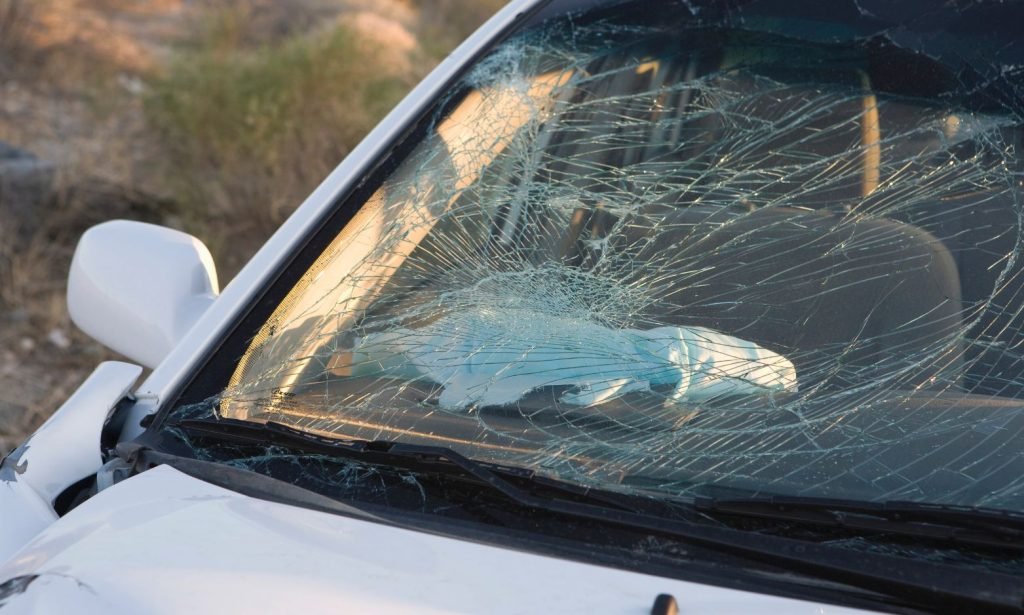
Eventually this stress exceeds what the glass can handle. The glass breaks. Sometimes it is a small crack. Sometimes the entire windshield shatters.
Your windshield is stressed by this thermal shock whether you see visible damage immediately or not. Cracks might appear days later. Your windshield becomes unsafe.
According to safety research from the National Highway Traffic Safety Administration, thermal shock from boiling water accounts for approximately 3 percent of windshield damage claims during winter months, with documented cases showing windshield failure occurring within 24 to 72 hours of boiling water exposure even when no immediate cracking is visible.
Windshield damage from boiling water is expensive
If your windshield cracks from boiling water damage, you have to replace it. Replacement costs hundreds or thousands of dollars depending on your vehicle.
You thought you were saving time by using boiling water. Instead you created an expensive repair bill. The irony is painful.
This is preventable damage. Using safe ice removal methods costs nothing and takes only slightly longer than boiling water.
Premiere Auto Glass sees boiling water damage regularly and it is always preventable damage.
Temperature extremes damage all windshields
Boiling water is dangerous but any extreme temperature change damages glass. Ice scraping windshield wipers violently. Running your defroster on maximum heat. Pouring warm water on ice. All of these things stress your glass.
Your windshield is engineered to handle normal temperature changes. Gradual heating and cooling is fine. Extreme rapid changes are not fine.
Treat your windshield gently when it is icy. Avoid extreme temperature changes. Your glass will last longer and stay safer.
Safe methods to clear ice from your windshield
There are better ways to clear ice than boiling water. Methods that actually work without damaging your glass.
Using an ice scraper properly
An ice scraper is the safest tool for removing ice. A plastic scraper gently removes ice without damaging glass. Work slowly and patiently. Start at one corner and scrape gradually.
Yes, ice scraping takes more time than boiling water. But you are not damaging your windshield. A few extra minutes of work is worth preventing a five hundred dollar windshield replacement.
Use a plastic scraper not a metal scraper. Metal scratches and damages glass. Plastic is softer and safer.
Running your defroster gradually
Start your car and turn on the defroster. Let it run at low or medium setting. Gradually the ice will melt and you can scrape it away easily.
This method takes patience. It can take ten to fifteen minutes for ice to soften enough to scrape. But it is completely safe. Your windshield stays protected.
Running your defroster on maximum heat creates thermal shock. Gradual heating is safe. Extreme heating damages glass.
Windshield covers prevent ice buildup
The best solution is not dealing with ice at all. Park your car in a garage if possible. Use a windshield cover to prevent ice accumulation. When morning comes, remove the cover instead of scraping ice.
Windshield covers are inexpensive and totally effective. They save you from ice removal stress entirely.
Many people keep covers in their car during winter. One minute to put it on. One minute to take it off. Problem solved.
Using commercial ice melt products
Commercial ice melt products made specifically for windshields are safe. These products are designed to melt ice without damaging glass. They contain de-icing agents that work gradually without thermal shock.
Spray or pour the product on your ice. Wait a few minutes for it to work. Then scrape gently. The ice comes off much easier than with water alone.
These products cost a few dollars and last all winter. They are worth the investment for safe ice removal.
Premiere Auto Glass recommends commercial ice melt products as a safe alternative to boiling water.
Letting nature help sometimes
Sometimes the best solution is waiting. If you have time, let the sun warm your windshield naturally. Ice melts slower but safely.
Not everyone can wait. But if you have an extra fifteen minutes, letting your car warm up naturally is the safest approach.
What to do if you already used boiling water
If you already poured boiling water on your windshield and you are worried about damage, do not panic. Damage might not be immediately obvious.
Monitor your windshield carefully over the next week. Look for cracks. Look for stress marks. Look for any signs of damage.
If you notice any cracks or signs of damage, get your windshield inspected immediately. Small damage caught early can sometimes be repaired. Damage that spreads becomes a replacement situation.
Do not use boiling water again even if this time it seems fine. The damage risk is too high.
Winter windshield care prevents damage
Protecting your windshield during winter is about consistency. Use safe ice removal methods. Avoid extreme temperatures. Use windshield covers. Be patient with ice.
Your windshield is critical for your safety. Keeping it intact and undamaged is important.
Small effort during winter prevents big problems. A few minutes with an ice scraper prevents a huge replacement bill.
Teaching others about windshield safety
If you know someone using boiling water on their windshield, tell them to stop. Explain thermal shock. Explain the damage risk.
Many people use boiling water because they do not know better. Education prevents damage.
Spread the word this winter. Tell your friends. Tell your family. Let people know that boiling water damages windshields.
Your windshield deserves protection
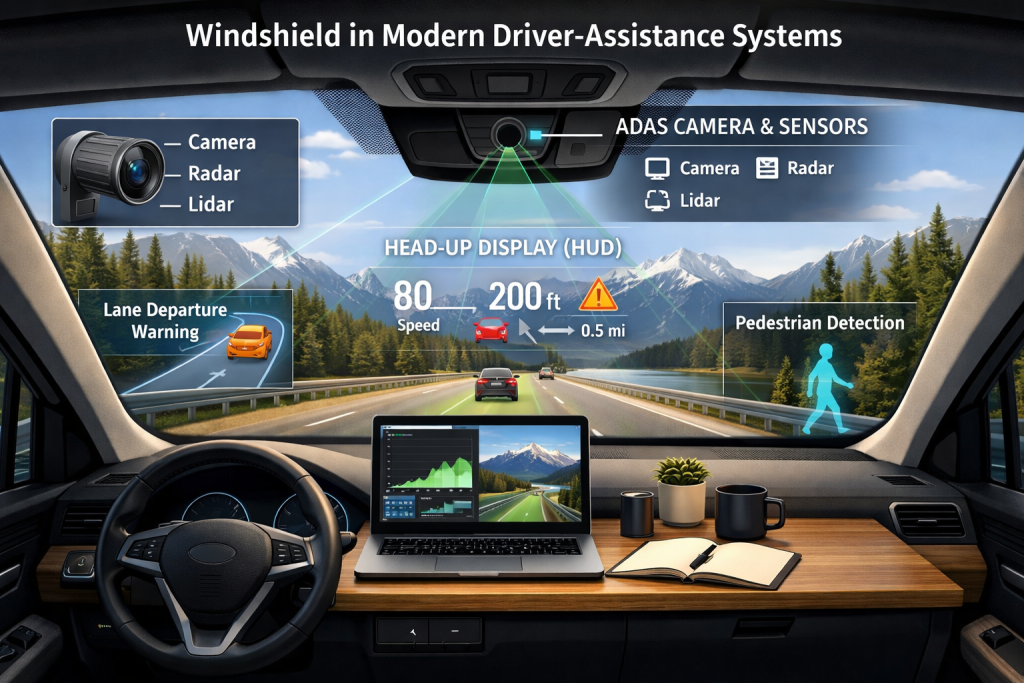
Your windshield is part of your safety system. It protects you from wind and weather. It supports your vehicle structure. It works with your airbags. Keeping it intact and safe matters.
Using safe ice removal methods is how you protect your windshield. Avoid boiling water. Avoid extreme temperatures. Use gentle methods. Your glass will thank you.
Premiere Auto Glass helps customers protect their windshields with winter care advice and safe ice removal information. Schedule your winter windshield inspection today and make sure your glass is protected through the cold months ahead.
FAQs
Does boiling water always crack windshields?
No, boiling water does not always crack windshields immediately. Sometimes you get lucky and the glass survives. But the stress is real even if you do not see immediate damage. Cracks can appear days later. The risk is high enough that boiling water is never a safe choice.
What if I already used boiling water and nothing happened?
Just because nothing happened this time does not mean it is safe. Damage can appear later. Stress can cause delayed cracking. You got lucky this time. Do not test your luck again. Switch to safe ice removal methods now.
How long does it take to damage a windshield with boiling water?
Damage can occur instantly or within days. Sometimes glass cracks immediately. Sometimes cracks appear hours or days later as stress settles. The timing is unpredictable which is why boiling water is risky.
Can I use warm water instead of boiling water?
Warm water is safer than boiling water but still creates some thermal shock risk. Lukewarm water is better. But the safest approach is using ice scrapers, commercial ice melt products, or windshield covers. Do not rely on any temperature water. Use mechanical methods instead.
What is the safest temperature change for windshields?
Windshields handle gradual temperature changes fine. Heating your car from freezing to comfortable temperature inside is safe. The danger is extreme rapid temperature changes like boiling water on ice. Keep temperature changes gradual and your windshield stays safe.