
Quick Summary: What This Blog Covers
This blog explains how humidity and moisture can affect windshield repair, particularly the resin-curing and bonding process. It covers ideal weather conditions, the impact of rain and high humidity, technician precautions, when to wait for better weather, and how proper conditions can help repairs last longer.
Introduction
You get your windshield repaired on a humid day. The technician fills your chip or crack with resin. Seals it up. Tells you it should hold fine. You drive away hoping the repair works.
But then you wonder. That humidity. That moisture in the air. Is it going to affect your repair. Is the moisture going to interfere with the resin. Is your repair going to fail because of the weather.
The answer is yes. Humidity affects windshield repair. Significantly. More than most people realize. Moisture in the air interferes with how resin cures. It weakens the bond between resin and glass. It compromises the repair.
This does not mean you cannot get your windshield repaired on humid days. It means you need to understand how humidity affects repairs. You need to know what the best conditions are. You need to understand whether your repair will hold or whether you should wait for better weather.
Most people do not think about this. They get damage and get it repaired immediately regardless of weather. They do not consider whether conditions are optimal. They do not understand that humidity can actually make the difference between a repair that lasts years and a repair that fails in weeks.
Understanding how humidity impacts windshield repair effectiveness helps you make smart decisions. Helps you know when to repair and when to wait. Helps you understand why your technician might recommend waiting for better weather. Helps you get repairs that actually hold.
Premiere Auto Glass sees humidity impact repairs constantly. The team understands the science. The team knows how weather affects resin curing. The team makes recommendations based on conditions. The team helps customers understand whether today is a good day to repair or whether waiting makes sense. This guide walks you through exactly how humidity impacts windshield repair effectiveness and what you need to know to make smart repair decisions.
How windshield repair actually works
Before you can understand how humidity affects repair, you need to understand how repair works.
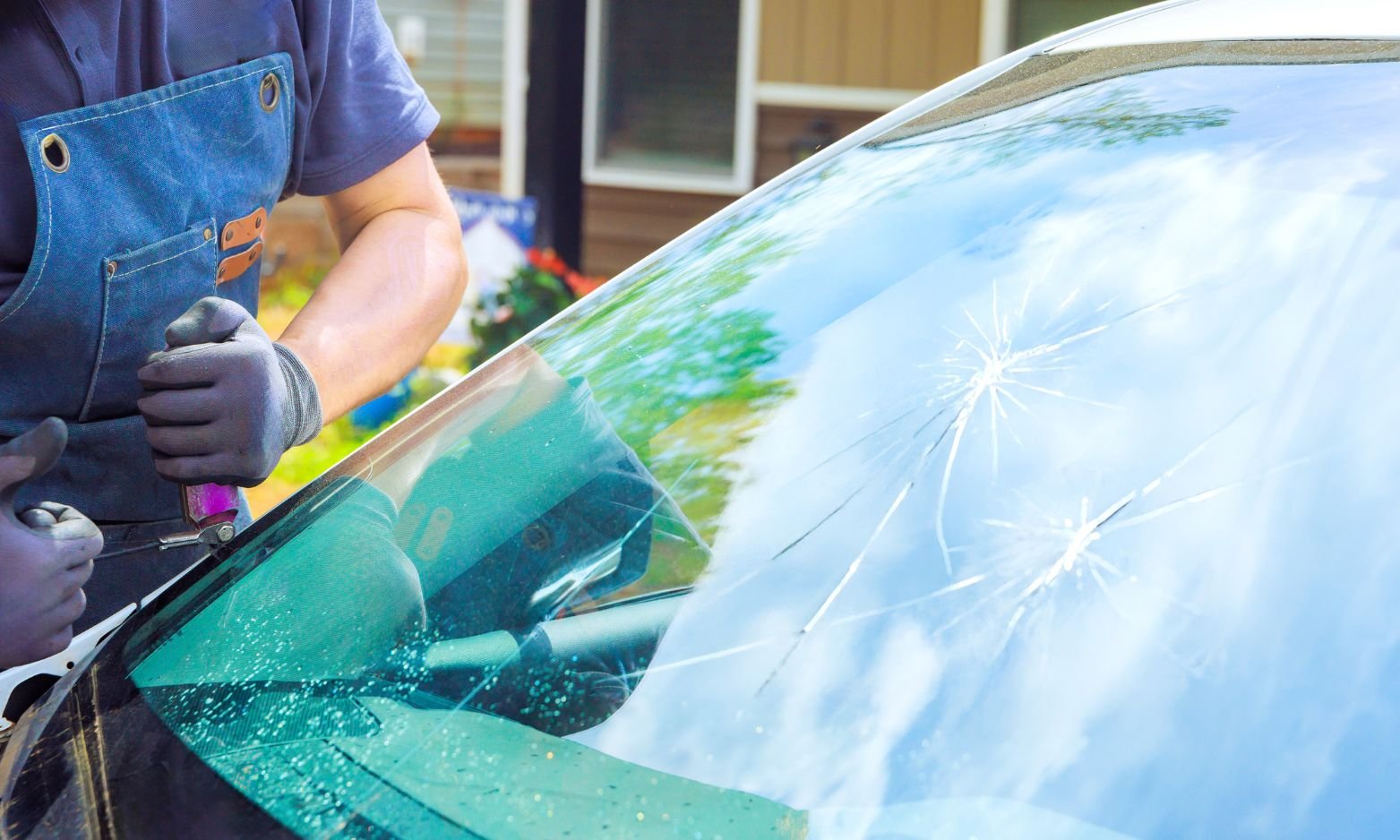
Your windshield gets a chip or crack. A technician drills out the damage. Gets into the crack. Removes debris and moisture.
Then the technician injects resin into the damaged area. The resin flows into the crack or chip. It fills the space completely.
The resin then cures. Hardens. Bonds with the glass. This bonding is what makes the repair hold. This bonding is what keeps the crack from spreading. This bonding is what makes your repair effective.
The resin curing process is critical. If resin cures properly, your repair holds for years. If resin cures poorly, your repair fails quickly.
Humidity directly affects this curing process. Moisture interferes with how resin hardens. Moisture interferes with how resin bonds to glass. Humidity can make the difference between success and failure.
The chemistry of resin curing
Windshield repair resins are designed to cure through a specific chemical process. Exposure to UV light triggers the cure. The resin hardens. Bonds form with the glass.
But moisture interferes with this process. Water molecules compete with resin molecules. Water creates a barrier between resin and glass. Water prevents proper bonding.
High humidity means more moisture in the air. More moisture getting into the damaged area. More interference with resin curing.
Low humidity means less moisture. Resin can cure with minimal interference. The bonding can happen properly. The repair has the best chance of success.
Premiere Auto Glass monitors humidity carefully when scheduling repairs.
Humidity levels that affect repair quality
Ideal humidity for windshield repair is below 50 percent. At this level, moisture interference is minimal. Resin can cure properly. Bonding can happen effectively.
Humidity above 50 percent starts to compromise repairs. More moisture interferes with curing. Bonding becomes less reliable. Repair quality decreases.
Humidity above 80 percent seriously compromises repairs. So much moisture in the air that resin struggles to cure. Bonding becomes questionable. Repair might fail quickly.
These humidity levels matter. They are not arbitrary guidelines. They are based on how resin actually performs at different humidity levels.
According to research from the Automotive Glass Research Council, windshield repairs completed in humidity levels above 80 percent experience failure rates of 35 to 40 percent within six months, compared to 5 to 8 percent failure rates for repairs completed in humidity below 50 percent, making humidity control critical for repair longevity and effectiveness.
Rain and moisture create serious problems
Rain is even worse than high humidity. Rain introduces liquid water into your damaged area. Not just moisture in the air but actual water.
If it rains while your windshield is being repaired or immediately after, water gets into the repair. Water prevents resin from bonding. Water creates gaps. Water compromises the repair severely.
This is why many technicians recommend not scheduling repairs on rainy days. This is why they recommend avoiding the car in rain for several hours after repair. Water introduction is serious.
Your repair area needs to stay dry while resin cures. This is why conditions matter. This is why humidity matters. This is why rain matters.
Drying time extends in humid conditions
Resin needs time to cure completely. In ideal conditions, resin cures in a few hours. You can drive your car that same day.
In humid conditions, curing takes longer. Much longer. Resin that would cure in three hours might need six hours in humid conditions. Might need even longer in very humid conditions.
This extended curing time means you cannot drive your car immediately after repair. You need to give the resin enough time to fully cure before putting stress on it.
Your technician should tell you about extended curing time. Should tell you to avoid driving if conditions are very humid. Should give you specific guidance for your situation.
Seasonal humidity variations matter
Different seasons have different humidity levels. Summer is typically more humid than winter. Spring and fall vary depending on weather patterns.
In humid climates, summer might have humidity constantly above 70 percent. This creates challenges for windshield repair. Many technicians in humid areas have to schedule carefully.
In dry climates, humidity stays lower year round. Repairs can be done more reliably. Conditions are more often optimal.
Knowing your local climate helps you understand repair challenges. If you live in a humid climate, understand that humidity affects your repairs. Plan accordingly.
Premiere Auto Glass works with humidity in Phoenix. The team knows how to manage it. The team schedules repairs strategically.
What good technicians do to manage humidity
Good technicians take humidity seriously. They check humidity levels before starting repairs. They might recommend waiting if conditions are too humid.
Some technicians use moisture barriers. Special materials that keep moisture away from the repair area. These barriers help protect repairs in humid conditions.
Some technicians use special curing lights. Intense UV lights that accelerate curing. Even in humid conditions, these lights help resin cure faster and more effectively.
Some technicians schedule repairs during times of day when humidity is lower. Early morning often has lower humidity than afternoon. Late evening sometimes has lower humidity than midday.
Good technicians are strategic about humidity. They make recommendations based on conditions. They do not just repair regardless of weather.
Your technician should discuss humidity with you
Before your repair, your technician should mention humidity. Should tell you what conditions are optimal. Should tell you whether today is a good day to repair.
If your technician does not mention humidity, ask about it. Ask what humidity level is right now. Ask whether conditions are ideal. Ask whether waiting would be better.
A good technician welcomes these questions. Understands your concern. Explains the situation. Gives you honest recommendations.
If your technician pushes to repair despite poor conditions, that is a red flag. That suggests they do not care about repair quality. That suggests they just want to make the appointment.
Trust technicians who are honest about conditions. Who recommend waiting when conditions are not ideal. Who prioritize repair quality over convenience.
When to wait for better weather
If humidity is very high and rain is in the forecast, wait. Seriously. Wait for conditions to improve.
If humidity is above 80 percent, consider waiting. Getting a repair that fails in weeks is worse than waiting a few days for better conditions.
If it just rained and humidity is still high from the rain, wait. Give the air time to dry. Let humidity drop before getting your repair.
These waits are worth it. A few day delay is nothing compared to a failed repair that needs to be redone or replaced.
What defines good repair conditions
Clear dry weather. Humidity below 50 percent. No rain in the forecast. No rain expected for at least 24 hours after repair. These are ideal repair conditions.
Even if conditions are not perfect, repairs can happen. But the more conditions deviate from ideal, the more you should question whether today is the right day.
Ask your technician what the conditions are. Ask whether they are ideal. Ask whether waiting would improve your chances of a successful repair.
Good technicians will be honest. Will tell you whether conditions are good or whether you should wait.
The investment is worth protecting
Windshield repair is an investment. You are spending money to protect your windshield. To prevent a chip from becoming a crack. To prevent a crack from spreading.
This investment is only good if the repair actually holds. A repair that fails is money wasted. Money spent twice. Once on the failed repair and again when you have to redo it or replace the windshield.
Taking humidity into account protects your investment. Waiting for good conditions means your repair will actually work. Means your money is well spent. Means your repair lasts years instead of weeks.
Do not rush repair for convenience. Take time to do it right. Wait for good conditions. Make sure your repair will hold.
Premiere Auto Glass prioritizes repair quality over convenience.
Your repair should last years not weeks
A good windshield repair lasts years. Many years. Possibly for the life of your windshield.
A bad windshield repair fails quickly. Weeks. Months at most. Then you have to redo it.
The difference often comes down to conditions. Humidity. Weather. Whether conditions were optimal when your repair was done.
This is why humidity matters. This is why your technician should care about conditions. This is why you should ask questions about weather when scheduling your repair.
Get repairs done in good conditions. Make sure your repair lasts.
Premiere Auto Glass ensures windshield repairs are done in optimal conditions for maximum longevity. Schedule your windshield repair when conditions are right and get a repair that actually lasts for years.
FAQs
Can I get my windshield repaired on a humid day?
You can but it is not ideal. Humidity interferes with resin curing. Higher humidity means higher risk of repair failure. If humidity is above 80 percent, seriously consider waiting. If humidity is 50 to 80 percent, your repair can work but might not be as reliable as it would be in drier conditions. Ask your technician about current humidity and whether conditions are good for repair.
How much does humidity affect repair success?
Significantly. Repairs done in low humidity conditions have 5 to 8 percent failure rates. Repairs done in very high humidity conditions have 35 to 40 percent failure rates. The difference is huge. This is why humidity matters. This is why conditions matter. This is why you should care about weather when getting repairs.
Should I wait for dry weather before getting my windshield repaired?
If humidity is very high or rain is expected, waiting makes sense. A few day wait for better conditions protects your repair. Ensures it will actually hold. If humidity is moderate and weather is clear, you do not necessarily need to wait. But ask your technician about current conditions. Get their professional opinion on whether waiting would be better.
What should I do after my repair in humid conditions?
Give the repair extra time to cure. If normally you can drive after a few hours, in humid conditions wait longer. Avoid driving in rain. Avoid high speeds. Avoid rough roads. Give the resin time to fully cure before putting stress on it. Your technician should give you specific guidance for your situation.
Can my technician do anything to help repair in humid conditions?
Good technicians can use moisture barriers. Special curing lights. Strategic scheduling. These tools help manage humidity. But they cannot completely eliminate humidity interference. The best solution is still waiting for better conditions when possible. Ask your technician what tools they have available to manage humidity.